
Introduction
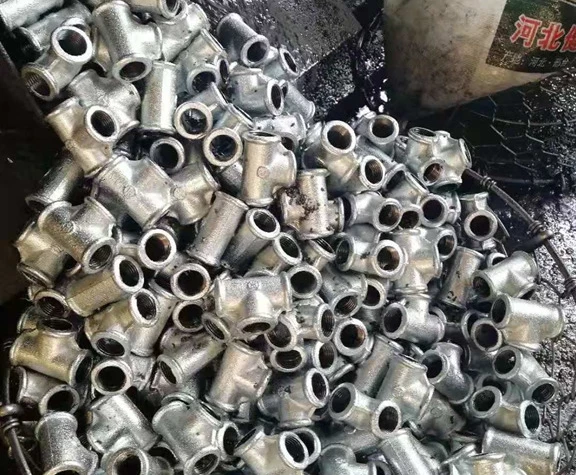
3/4 inch galvanized pipe is a carbon steel pipe coated with a layer of zinc via hot-dip galvanization. It’s a foundational component in fluid transfer systems across diverse industries, including plumbing, fire suppression, and structural support. Its technical position within the industrial chain places it as a critical intermediary between raw steel production and finalized infrastructure. Core performance characteristics are defined by its corrosion resistance, pressure handling capacity, and structural integrity. Galvanization provides sacrificial protection to the underlying steel, extending its service life, particularly in environments exposed to moisture and corrosive elements. While facing increasing competition from alternative materials like PVC and stainless steel, galvanized pipe remains a cost-effective and reliable solution for many applications, especially where high temperatures or mechanical strength are paramount. The prevalent use of Schedule 40 and Schedule 80 designations indicates differing wall thicknesses impacting pressure ratings and overall durability. A significant industry pain point centers on ensuring consistent zinc coating thickness and quality control to guarantee long-term corrosion protection and avoid premature failures.
Material Science & Manufacturing
The base material for 3/4 inch galvanized pipe is typically carbon steel, commonly ASTM A53 Grade B. This steel consists primarily of iron with carefully controlled additions of carbon (typically 0.05-0.25% by weight), manganese, phosphorus, and sulfur. These alloying elements influence the steel’s weldability, ductility, and strength. The galvanization process itself involves immersing the cleaned steel pipe into a bath of molten zinc at approximately 840°F (449°C). This creates a metallurgical bond between the zinc and the steel, forming a series of zinc-iron alloy layers followed by an outer layer of pure zinc. The manufacturing process begins with the formation of the steel pipe, often through electric resistance welding (ERW) or seamless extrusion. Critical parameters in the galvanization process include pre-treatment cleaning (pickling to remove rust and scale), fluxing to promote zinc adhesion, immersion time (controlling coating thickness), and cooling rates to influence the microstructure of the zinc coating. The uniformity of the zinc coating is paramount, and deviations can create localized areas prone to corrosion. Surface preparation is vital; inadequate cleaning results in poor adhesion. Chemical composition of the zinc bath must be regularly monitored and adjusted to maintain optimal performance, and factors like silicon and aluminum content influence the coating’s structure and corrosion resistance.
Performance & Engineering
The performance of 3/4 inch galvanized pipe is dictated by its ability to withstand internal pressure, external loads, and corrosive environments. Force analysis considers both hoop stress (resulting from internal pressure) and longitudinal stress (due to external bending moments). Wall thickness, as defined by Schedule 40 or Schedule 80, directly impacts the pipe’s pressure rating. Schedule 80 provides a higher pressure rating due to its thicker wall. Environmental resistance is predominantly determined by the zinc coating’s integrity. Galvanic corrosion can occur when galvanized steel is in contact with dissimilar metals in the presence of an electrolyte (e.g., saltwater). Proper insulation or the use of dielectric unions is crucial in these scenarios. Compliance requirements vary depending on the application. For potable water systems, pipes must meet NSF/ANSI 61 standards for lead content and extractable contaminants. For fire protection systems, compliance with NFPA 13 is essential, dictating material specifications, installation practices, and hydrostatic testing procedures. Threading processes must adhere to standards like ANSI/ASME B1.20.1 to ensure leak-tight connections. Furthermore, seismic design considerations, outlined in codes like ASCE 7, may necessitate bracing and anchoring to prevent failure during earthquake events. Fatigue analysis is relevant in applications subject to cyclical loading and vibration.
Technical Specifications
| Nominal Pipe Size (inches) | Schedule | Outside Diameter (inches) | Wall Thickness (inches) |
|---|---|---|---|
| 3/4 | 40 | 0.840 | 0.083 |
| 3/4 | 80 | 0.840 | 0.109 |
| 3/4 | 40 (ASTM A53) | 0.840 | 0.083 |
| 3/4 | 80 (ASTM A53) | 0.840 | 0.109 |
| 3/4 | 40 (Zinc Coating - ASTM A123) | 0.840 | 0.083 |
| 3/4 | 80 (Zinc Coating - ASTM A123) | 0.840 | 0.109 |
Failure Mode & Maintenance
Common failure modes in 3/4 inch galvanized pipe include corrosion (localized pitting, uniform corrosion), thread failure (stripping, galling), and mechanical damage (dents, cracks). Localized pitting corrosion is often initiated at imperfections in the zinc coating or scratches. Crevice corrosion can occur in areas where moisture and contaminants accumulate. Thread failures are typically due to improper installation, over-tightening, or the use of incompatible thread sealants. Delamination of the zinc coating can occur due to poor surface preparation prior to galvanization. Oxidation of the zinc layer, while a natural process, reduces its sacrificial protection over time, eventually leading to base metal corrosion. Maintenance strategies include regular visual inspections to identify areas of corrosion or damage. Protective coatings (e.g., epoxy paints) can be applied to extend the service life. Cathodic protection can be employed in critical applications. For minor corrosion, wire brushing and the application of zinc-rich paint can provide localized repair. Damaged threads should be replaced or repaired using appropriate threading tools. Hydrostatic testing should be periodically performed to verify the pipe’s structural integrity. Proper storage practices, avoiding prolonged exposure to corrosive environments, are essential. Consider periodic zinc thickness measurements to assess coating degradation.
Industry FAQ
Q: What is the typical service life of 3/4 inch galvanized pipe in a typical indoor plumbing application?
A: The service life varies significantly based on water quality and environmental conditions, but generally, 40-60 years can be expected with proper installation and maintenance. Highly corrosive water with low pH or high chloride content will substantially reduce this lifespan.
Q: How does the zinc coating thickness affect corrosion resistance?
A: Generally, thicker zinc coatings provide longer-lasting corrosion protection. ASTM A123 specifies minimum zinc coating weights (e.g., G90 for galvanized steel pipe). Higher coating weights (e.g., G120, G180) offer enhanced protection in severely corrosive environments, though cost increases proportionally.
Q: What are the limitations of using galvanized pipe in high-temperature applications?
A: At temperatures exceeding approximately 150°F (65°C), the zinc coating can begin to degrade, reducing its effectiveness. Furthermore, the strength of the steel itself decreases at elevated temperatures. For high-temperature applications, stainless steel or other high-temperature alloys are preferred.
Q: Can galvanized pipe be joined using PVC cement?
A: No. Galvanized pipe and PVC are dissimilar materials. PVC cement will not create a reliable bond with galvanized steel. Appropriate joining methods include threaded connections with PTFE tape or pipe dope, or using dielectric unions to prevent galvanic corrosion when connecting to dissimilar metals.
Q: What are the key differences between Schedule 40 and Schedule 80 galvanized pipe?
A: Schedule 80 pipe has a thicker wall than Schedule 40 pipe, resulting in a higher pressure rating and increased structural strength. Schedule 80 is typically used in applications requiring greater durability or higher operating pressures. Schedule 40 is often sufficient for standard plumbing and low-pressure applications.
Conclusion
3/4 inch galvanized pipe represents a well-established and cost-effective solution for fluid transfer and structural applications. Its corrosion resistance, stemming from the sacrificial protection afforded by the zinc coating, contributes to its longevity. However, understanding the limitations – susceptibility to localized corrosion, potential for thread failure, and limitations at high temperatures – is crucial for ensuring proper application and maintenance.
Advancements in coating technologies and ongoing research into corrosion mitigation techniques will likely continue to refine the performance and extend the service life of galvanized steel piping systems. Careful consideration of material selection, installation practices, and regular inspection protocols are paramount to maximizing the reliability and minimizing the lifecycle cost of these essential components in diverse industrial and commercial settings.
