
Introduction
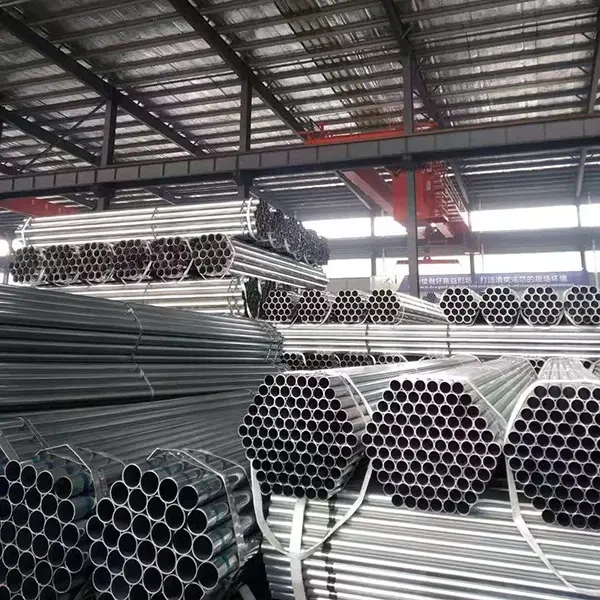
3-inch galvanized steel pipe is a widely utilized carbon steel pipe coated with a layer of zinc through a hot-dip galvanization process. Positioned as a fundamental component in fluid and gas conveyance systems, it serves critical roles across various industries including plumbing, fire suppression, structural support, and industrial processing. Its primary function is to provide a durable, corrosion-resistant pathway for transporting liquids, gases, or solids. The galvanization process imparts significant improvements in corrosion resistance compared to bare steel, extending the service life and reducing maintenance requirements. Core performance characteristics include pressure handling capability, structural integrity under load, and resistance to various corrosive environments. Understanding its material properties, manufacturing nuances, and potential failure modes is crucial for ensuring optimal performance and longevity in demanding applications. This guide provides an in-depth technical examination of 3-inch galvanized steel pipe, covering material science, manufacturing processes, performance characteristics, failure analysis, and relevant industry standards.
Material Science & Manufacturing
The base material for 3-inch galvanized steel pipe is typically carbon steel, commonly ASTM A53 Grade B or similar. This steel consists primarily of iron with varying percentages of carbon (typically less than 0.3%), manganese, silicon, and phosphorus. The mechanical properties of the base steel, including yield strength, tensile strength, and ductility, are critical for withstanding internal pressure and external loads. The galvanization process involves immersing the steel pipe in a molten zinc bath (typically 98% pure zinc) at temperatures around 840°F (449°C). This creates a metallurgical bond between the zinc and the underlying steel, forming a series of zinc-iron alloy layers and an outer layer of pure zinc. The thickness of the zinc coating is a key determinant of corrosion resistance and is typically specified in terms of zinc weight per unit area (e.g., G90, which corresponds to 0.90 oz/ft²). Manufacturing processes include Electric Resistance Welding (ERW) and seamless production. ERW pipes are formed by longitudinally welding steel strips, while seamless pipes are produced by piercing a solid billet and drawing it into the desired shape. Key parameter control during manufacturing focuses on weld quality (for ERW), dimensional accuracy (diameter, wall thickness, straightness), and the uniformity of the zinc coating. Post-galvanization processes include quality control checks for coating thickness, adhesion, and appearance, as well as hydrostatic testing to verify pressure integrity.
Performance & Engineering
The performance of 3-inch galvanized steel pipe is governed by several engineering principles. Pressure handling capability is calculated based on Barlow's formula: P = (2 S t) / D, where P is the internal pressure, S is the allowable stress of the steel, t is the wall thickness, and D is the outer diameter. Structural integrity under external loads, such as weight of the pipe and transported fluid, requires consideration of bending moments and shear stresses. Galvanization provides cathodic protection to the steel substrate, meaning the zinc corrodes preferentially, protecting the steel even if the coating is scratched or damaged. However, this protection is reduced in highly acidic or alkaline environments. Environmental resistance is further influenced by factors such as temperature, humidity, and exposure to chlorides. Compliance requirements vary by application and region. For potable water systems, pipes must comply with NSF/ANSI 61 standards for lead content and material safety. For fire suppression systems, compliance with NFPA 13 is essential, dictating pipe schedule, joining methods, and hydrostatic testing procedures. Corrosion rates are influenced by the zinc coating thickness, the presence of atmospheric pollutants, and the electrolyte conductivity of the surrounding environment.
Technical Specifications
| Parameter | ASTM A53 Grade B | ASTM A153 (Galvanizing) | Typical Value (3" Pipe) |
|---|---|---|---|
| Nominal Pipe Size | 3 inches | N/A | 3 inches |
| Outer Diameter | 3.5 inches (88.9 mm) | N/A | 3.5 inches (88.9 mm) |
| Wall Thickness (Schedule 40) | 0.218 inches (5.54 mm) | N/A | 0.218 inches (5.54 mm) |
| Yield Strength (Min) | 36,000 psi (248 MPa) | N/A | 36,000 psi (248 MPa) |
| Tensile Strength (Min) | 60,000 psi (414 MPa) | N/A | 60,000 psi (414 MPa) |
| Zinc Coating Weight (Typical) | N/A | G90 (0.9 oz/ft²) | 0.9 oz/ft² |
Failure Mode & Maintenance
Common failure modes for 3-inch galvanized steel pipe include corrosion, particularly localized pitting corrosion caused by imperfections in the zinc coating or exposure to chlorides. Uniform corrosion occurs over the entire surface, but at a slower rate. Fatigue cracking can occur under cyclic loading, especially at weld points or connections. Thread degradation at joints is a common issue, leading to leaks. Hydrogen embrittlement can occur in high-strength steels exposed to corrosive environments, reducing ductility and increasing susceptibility to cracking. Delamination of the zinc coating can occur due to poor adhesion or thermal stress. Maintenance solutions include regular visual inspections for signs of corrosion, cracks, or leaks. Protective coatings (e.g., epoxy paints) can be applied to supplement the galvanization and provide additional corrosion protection. Joints should be periodically inspected and tightened or replaced as needed. Cathodic protection systems (e.g., sacrificial anodes) can be used in underground applications to further mitigate corrosion. For systems handling corrosive fluids, regular flushing and chemical treatment may be necessary to prevent internal corrosion. Replacement of corroded or damaged pipe sections is often the most effective long-term solution.
Industry FAQ
Q: What is the primary difference between Schedule 40 and Schedule 80 galvanized steel pipe, and how does this affect its application?
A: The primary difference lies in the wall thickness. Schedule 80 pipe has a thicker wall than Schedule 40, providing greater strength and pressure handling capability. Schedule 40 is suitable for lower-pressure applications like general plumbing and water distribution, while Schedule 80 is preferred for higher-pressure systems, structural applications, and fire suppression systems where higher safety factors are required.
Q: How does the presence of chlorides in the environment impact the corrosion resistance of galvanized steel pipe?
A: Chlorides are particularly aggressive to galvanized coatings. They penetrate the zinc layer, forming zinc chloride, which accelerates corrosion. This is especially problematic in coastal environments or where de-icing salts are used. Increased chloride concentration significantly reduces the lifespan of the galvanization, leading to premature failure.
Q: What is the effect of heat on a galvanized coating, and what precautions should be taken during welding or other high-temperature processes?
A: Heating galvanized steel above approximately 600°F (315°C) can alter the metallurgical structure of the zinc coating, potentially reducing its corrosion resistance. During welding, the heat-affected zone may experience loss of zinc protection. Precautions include using appropriate welding techniques (e.g., preheating, post-weld coating repair) and minimizing the heat input to preserve the integrity of the galvanization.
Q: What are the advantages and disadvantages of using galvanized steel pipe compared to other materials like copper or PVC?
A: Galvanized steel offers a good balance of strength, durability, and cost-effectiveness. Advantages include high tensile strength, resistance to physical damage, and relatively low cost. Disadvantages include potential for corrosion (although mitigated by galvanization), weight, and potential for lead contamination (depending on the zinc alloy used). Compared to copper, galvanized steel is less expensive but also less corrosion-resistant and more susceptible to scale buildup. Compared to PVC, galvanized steel is stronger and more resistant to temperature extremes, but also heavier and more prone to corrosion.
Q: What is the expected lifespan of a properly installed and maintained 3-inch galvanized steel pipe system in a typical freshwater plumbing application?
A: The expected lifespan can vary significantly depending on water quality, environmental conditions, and maintenance practices. However, a properly installed and maintained system in a typical freshwater plumbing application can reasonably be expected to last between 40 and 70 years. Regular inspections and preventative maintenance can extend this lifespan.
Conclusion
3-inch galvanized steel pipe remains a viable and cost-effective solution for numerous fluid and gas conveyance applications. Its inherent strength, coupled with the protective benefits of galvanization, provides a durable and reliable material for systems requiring moderate to high pressure handling capabilities. However, understanding the potential failure modes – particularly corrosion driven by environmental factors and the limitations of the galvanization process – is critical for ensuring long-term performance. Proper material selection based on application specifics, adherence to relevant industry standards, and a proactive maintenance program are essential for maximizing the service life and minimizing the total cost of ownership.
Future developments in protective coatings and advanced galvanization techniques promise to further enhance the corrosion resistance and longevity of galvanized steel pipe. Exploring alternative zinc alloys with improved corrosion performance and incorporating corrosion inhibitors into the piping system could offer additional benefits. Continued research into non-destructive testing methods for assessing coating integrity will also play a crucial role in optimizing maintenance strategies and preventing premature failures. The ongoing evolution of industry standards and best practices will ensure that galvanized steel pipe remains a relevant and dependable material for a wide range of engineering applications.
