
Introduction
Galvanized pipe, steel pipe coated with zinc, has been a staple in potable water systems for decades. However, its suitability for modern water distribution and plumbing is a complex topic, prompting ongoing debate and evolving regulations. This guide provides a comprehensive technical analysis of galvanized pipe for water applications, covering material science, manufacturing processes, performance characteristics, failure modes, and industry standards. The central question – is galvanized pipe ok for water? – will be addressed through rigorous examination of its long-term performance, potential health impacts, and alternatives. This assessment is critical for procurement managers, engineers, and regulatory bodies involved in infrastructure projects and building maintenance, particularly given the inherent challenges of corrosion, lead content in some legacy systems, and the emergence of more durable and sustainable piping materials. The core performance parameters center around corrosion resistance, water quality maintenance, and long-term structural integrity.
Material Science & Manufacturing
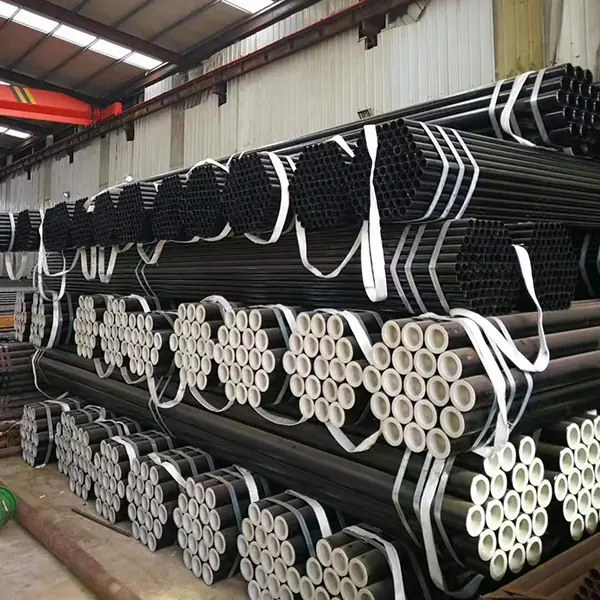
Galvanized pipe is typically manufactured from carbon steel, primarily AISI 1018 or equivalent, selected for its formability and weldability. The steel substrate’s composition directly impacts the quality of the zinc coating and the pipe’s overall durability. The galvanization process involves immersing the steel pipe in a molten zinc bath (typically 98% pure zinc) at temperatures around 450-460°C (842-860°F). This creates a series of metallurgical layers: a gamma (ζ) layer, a delta (δ) layer, an epsilon (ε) layer, and a zeta (η) layer. The epsilon layer is crucial for adhesion and corrosion protection. Manufacturing parameters, including steel surface preparation (pickling to remove mill scale and rust), zinc bath composition (aluminum content is often controlled to refine grain structure), cooling rate after galvanization, and post-treatment (chromate conversion coating for enhanced corrosion resistance, though increasingly restricted due to environmental concerns), are critical. The thickness of the zinc coating, typically measured in ounces per square foot (oz/ft²), directly correlates with corrosion resistance. Common coating thicknesses range from G90 (1.65 oz/ft²) to G165 (2.75 oz/ft²). The potential for hydrogen embrittlement during the pickling process is a significant concern, requiring careful control of acid concentration and pickling time. Furthermore, the manufacturing of threaded galvanized pipe introduces stress concentrations at the threads, accelerating corrosion in these areas.
Performance & Engineering
The primary performance consideration for galvanized pipe in water systems is its corrosion resistance. Zinc provides sacrificial protection to the steel substrate; it corrodes preferentially, preventing rust formation. However, this protection isn’t indefinite. The rate of zinc corrosion is heavily influenced by water chemistry – pH, dissolved oxygen content, chloride concentration, and the presence of other aggressive ions (sulfates, carbonates). Low pH (acidic water) dramatically accelerates zinc dissolution. Hard water, containing high concentrations of calcium and magnesium, can lead to scale buildup within the pipe, reducing flow capacity and creating crevices where corrosion can initiate. Force analysis reveals that galvanized pipe, while robust, has a relatively low tensile strength compared to materials like copper or PEX. Its allowable stress is dependent on the wall thickness and the degree of corrosion. Engineering design must account for potential pressure fluctuations, thermal expansion/contraction, and external loads. Compliance requirements vary significantly by jurisdiction. Historically, galvanized pipe was widely accepted, but increasingly stringent water quality regulations and concerns regarding lead contamination (from lead-based solders used in older connections) are prompting a shift towards alternative materials. The potential for zinc leaching into the water supply, while generally considered safe within regulatory limits, is a recurring concern, particularly in areas with naturally high zinc levels in the source water.
Technical Specifications
| Parameter | Typical Galvanized Steel Pipe | Copper Pipe (Type L) | CPVC Pipe (Schedule 80) |
|---|---|---|---|
| Material | Carbon Steel with Zinc Coating | Copper Alloy | Chlorinated Polyvinyl Chloride |
| Tensile Strength (psi) | 58,000 - 80,000 | 40,000 - 60,000 | 8,500 - 10,000 |
| Corrosion Resistance | Moderate (Sacrificial Zinc Protection) | Excellent | Excellent |
| pH Sensitivity | High (Accelerated Corrosion at Low pH) | Low | Low |
| Maximum Operating Temperature (°F) | 140 | 250 | 180 |
| Maximum Operating Pressure (psi) | Varies by wall thickness, typically 125-350 | Varies by wall thickness, typically 300-600 | Varies by wall thickness, typically 300-400 |
Failure Mode & Maintenance
Galvanized pipe is susceptible to several failure modes. The most common is uniform corrosion, where the zinc coating gradually dissolves, exposing the underlying steel to rust. However, localized corrosion, such as pitting corrosion (caused by chloride ions) and crevice corrosion (occurring under gaskets and at threaded connections), is more problematic as it can lead to rapid perforation. Fatigue cracking can occur due to repeated pressure cycles and vibration. Delamination of the zinc coating, resulting from poor adhesion or mechanical damage, accelerates corrosion. Scale buildup restricts flow and promotes under-deposit corrosion. Hydrogen embrittlement, as mentioned earlier, can cause brittle fracture. Maintenance strategies include regular inspection for signs of corrosion (rust stains, leaks), flushing to remove sediment and scale, and cathodic protection (though rarely implemented for small-diameter piping). In cases of localized corrosion, localized repairs are often ineffective; complete pipe replacement is typically required. Preventative maintenance includes maintaining appropriate water chemistry (pH control, minimizing chloride levels) and avoiding the use of dissimilar metals in direct contact with galvanized pipe (to prevent galvanic corrosion). Internal coating of existing galvanized pipes with epoxy or polyurethane linings can extend service life but is a costly undertaking.
Industry FAQ
Q: What is the typical lifespan of a galvanized pipe water system?
A: The lifespan of a galvanized pipe system varies significantly based on water quality, operating pressure, and maintenance. Historically, estimates ranged from 40-60 years, but modern assessments indicate that many systems are reaching the end of their service life (20-40 years) due to accelerated corrosion from aggressive water chemistries. Regular inspections are crucial for determining remaining service life.
Q: Is the zinc leaching from galvanized pipes a health concern?
A: Zinc is an essential nutrient, and the levels typically leached from galvanized pipes are generally within acceptable limits set by regulatory agencies (EPA in the US, WHO internationally). However, excessive zinc intake can cause adverse health effects, and individuals with pre-existing zinc sensitivities may be more susceptible. Monitoring zinc levels in the water supply is recommended.
Q: What are the advantages of replacing galvanized pipe with PEX or copper?
A: PEX (cross-linked polyethylene) and copper offer significantly improved corrosion resistance, longer service life, and greater flexibility in installation. Copper also has inherent antimicrobial properties. PEX is less susceptible to scale buildup and offers lower thermal conductivity. The initial cost may be higher, but the reduced maintenance and replacement costs typically result in lower life-cycle costs.
Q: How can I assess the condition of my existing galvanized pipe?
A: Visual inspection for rust, leaks, and reduced water pressure are initial indicators. Water quality testing to determine pH, chloride concentration, and zinc levels is essential. Ultrasonic thickness testing can accurately measure the remaining wall thickness of the pipe, providing a quantitative assessment of corrosion. A hydrostatic pressure test can identify leaks and weak points.
Q: Can galvanized pipe be used safely for hot water systems?
A: While galvanized pipe can technically be used for hot water, its lifespan is significantly reduced due to accelerated corrosion at higher temperatures. The formation of zinc oxide scale further reduces flow capacity. Alternatives like copper or CPVC are strongly recommended for hot water applications to ensure long-term reliability and water quality.
Conclusion
The question of whether galvanized pipe is “ok for water” is not a simple yes or no. While it served as a reliable material for many years, its inherent susceptibility to corrosion, particularly in challenging water chemistries, and the potential for lead contamination in older systems, necessitate careful consideration. Modern building codes and regulations are increasingly favoring alternative materials like copper, PEX, and CPVC, offering superior long-term performance, improved water quality, and reduced maintenance costs. The decision to retain or replace galvanized pipe requires a thorough assessment of existing system condition, water quality parameters, and regulatory requirements.
Ultimately, a lifecycle cost analysis comparing galvanized pipe to alternatives reveals that the long-term benefits of more durable materials often outweigh the initial cost savings associated with galvanized steel. Proactive maintenance, including water chemistry control and regular inspections, can extend the service life of existing galvanized systems, but complete replacement should be considered a long-term strategy for ensuring safe and reliable potable water distribution.
