
Introduction
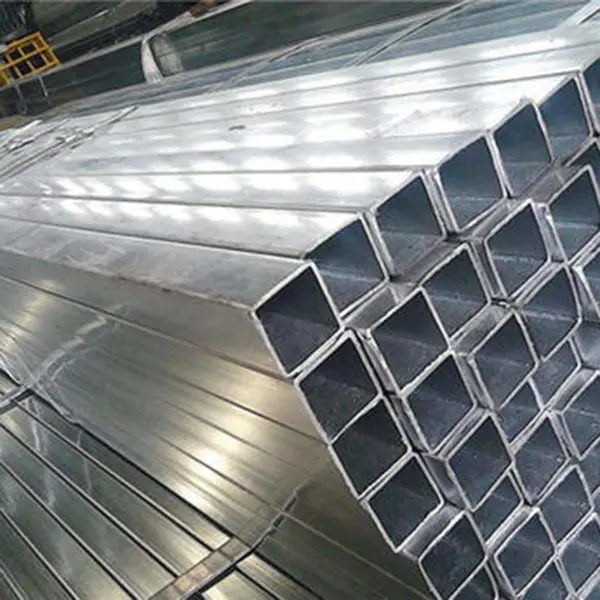
Galvanized steel pipe, a ubiquitous component in infrastructure, construction, and fluid transport systems, derives its cost and performance characteristics from a combination of base steel composition, manufacturing processes, and the zinc coating applied for corrosion resistance. The "price" of galvanized steel pipe is not merely a commodity figure; it is a complex function of steel market fluctuations, zinc prices, coating thickness, pipe dimensions (diameter and wall thickness), manufacturing location, and prevailing demand. This technical guide provides an in-depth analysis of the factors influencing galvanized steel pipe price, encompassing material science, manufacturing techniques, performance considerations, potential failure modes, and relevant industry standards. The primary pain points in procuring galvanized steel pipe revolve around ensuring consistent coating quality, accurate dimensional tolerances, and reliable long-term performance, all while managing cost-effectiveness in a volatile market. Understanding the underlying technical aspects is crucial for informed decision-making.
Material Science & Manufacturing
Galvanized steel pipe typically utilizes carbon steel as its base material, commonly AISI 1018 or similar grades offering sufficient ductility and weldability. The steel undergoes a hot-rolling process to form seamless or welded pipes. Seamless pipes, created by piercing solid billets, exhibit higher pressure ratings and are preferred for critical applications. Welded pipes, manufactured by longitudinally or helically welding steel strips, are more cost-effective. The core material’s chemical composition influences its inherent corrosion resistance and mechanical properties.
Galvanization, the process of applying a zinc coating, is typically achieved through hot-dip galvanizing. This involves immersing the steel pipe in a molten zinc bath (typically 98% pure zinc) maintained at around 450°C (842°F). A metallurgical reaction occurs, forming a series of zinc-iron alloy layers, culminating in an outer layer of pure zinc. The thickness of this coating is a key determinant of corrosion protection and, consequently, price. Coating thickness is measured in grams per square meter (g/m²) or in microns. The galvanizing process parameters – bath temperature, immersion time, steel surface preparation (pickling and fluxing) – are critical for achieving uniform coating adhesion and avoiding defects. Alternative galvanizing methods include electro-galvanizing, providing a thinner, more uniform coating, and zinc-rich painting, which offers a lower initial cost but generally inferior long-term corrosion resistance. Quality control involves meticulous inspection for coating uniformity, porosity, and adherence, including tests like the salt spray test (ASTM B117) and coating thickness measurement (ASTM E376).
Performance & Engineering
The primary performance characteristic of galvanized steel pipe is its corrosion resistance. Zinc acts as a sacrificial anode, corroding preferentially to the steel, thereby protecting it from rust. The rate of zinc corrosion, and hence the pipe’s lifespan, is influenced by environmental factors like humidity, salinity, and exposure to industrial pollutants (sulfur dioxide, chlorides). Engineering calculations for pipe selection consider internal pressure, external loads, and temperature variations. Relevant standards such as ASME B31.1 (Power Piping) and ASME B31.3 (Process Piping) dictate allowable stresses, safety factors, and inspection requirements.
Yield strength and tensile strength of the underlying steel are critical for withstanding mechanical stresses. Pipe dimensions (diameter and wall thickness) are selected based on flow rate requirements and pressure containment. Threaded connections require careful torque control during installation to ensure leak-tight seals. Welded connections necessitate qualified welders and adherence to welding procedures (AWS D1.1) to maintain structural integrity. Galvanized steel pipe's performance in seismic zones must account for ductile behavior and resistance to cyclic loading. Finite element analysis (FEA) is frequently used to model stress distributions under various load scenarios. The impact of coating damage (scratches, dents) on corrosion resistance is a significant engineering concern; localized damage can accelerate corrosion rates.
Technical Specifications
| Parameter | Units | ASTM A53 Grade B | BS EN 10255:2007 (HDG Steel) |
|---|---|---|---|
| Yield Strength (Minimum) | MPa | 250 | 235 |
| Tensile Strength (Minimum) | MPa | 450 | 360 |
| Zinc Coating Thickness (Minimum) | µm | 85 (Hot-Dip Galvanized) | 70 |
| Coating Uniformity | % | Typically >95% | Typically >90% |
| Elongation (Minimum) | % | 20 | 20 |
| Corrosion Resistance (Salt Spray Test) | Hours to Red Rust | >1000 | >720 |
Failure Mode & Maintenance
Common failure modes in galvanized steel pipe include localized corrosion (pitting, crevice corrosion), uniform corrosion (due to prolonged exposure), and mechanical damage (dents, cracks). Pitting corrosion is particularly problematic, as it can lead to rapid penetration and leakage. Under-coating corrosion can occur if the steel surface isn’t properly prepared prior to galvanizing. Hydrogen embrittlement, a phenomenon where hydrogen atoms diffuse into the steel during pickling, can reduce ductility and increase susceptibility to cracking. Galvanic corrosion can occur when galvanized steel is coupled with dissimilar metals in a conductive environment.
Maintenance strategies involve regular visual inspections for signs of corrosion or damage. Applying a protective coating (paint or epoxy) over the galvanized layer can extend its lifespan. Prompt repair of any coating defects is crucial. In areas with high salinity or industrial pollution, more frequent inspections are recommended. Cathodic protection, using sacrificial anodes or impressed current systems, can be employed for critical pipelines to mitigate corrosion. For threaded connections, periodic re-tightening may be necessary to maintain leak-tightness. Internal cleaning to remove scale or debris can improve flow rates and prevent corrosion. When replacing sections of pipe, ensure compatibility with existing materials to avoid galvanic corrosion.
Industry FAQ
Q: What is the impact of zinc price fluctuations on the cost of galvanized steel pipe?
A: Zinc is a significant component of galvanized steel pipe, and its price directly influences the overall cost. Increases in zinc prices, driven by global demand or supply disruptions, are typically passed on to consumers. Contractual agreements often include price adjustment clauses to account for zinc price volatility. Procurement teams need to monitor zinc market trends and consider hedging strategies to mitigate risk.
Q: How does the choice between seamless and welded pipe affect price and performance?
A: Seamless pipe generally commands a higher price due to the more complex manufacturing process. However, it offers superior pressure ratings and is preferred for critical applications. Welded pipe is more cost-effective for lower-pressure systems. The weld quality and inspection procedures are crucial factors in determining the performance reliability of welded pipe.
Q: What is the difference between hot-dip galvanizing and electro-galvanizing in terms of corrosion protection and cost?
A: Hot-dip galvanizing provides a thicker, more robust coating with superior long-term corrosion resistance, but can be more expensive. Electro-galvanizing offers a thinner, more uniform coating at a lower cost. Electro-galvanizing is suited for applications with less demanding corrosion requirements.
Q: How can I ensure the quality of the zinc coating on galvanized steel pipe?
A: Require suppliers to provide mill test certificates (MTCs) verifying coating thickness, adhesion, and uniformity. Conduct independent inspections using non-destructive testing methods, such as coating thickness gauges and visual inspection for defects. Specify adherence to relevant standards (ASTM A123, ISO 1461). Perform salt spray testing to assess corrosion resistance.
Q: What are the common causes of premature failure in galvanized steel pipe, and how can they be prevented?
A: Common causes include localized corrosion due to coating damage, galvanic corrosion from contact with dissimilar metals, and mechanical failure from over-stressing. Prevention involves careful handling and installation, avoiding contact with incompatible materials, providing adequate support to prevent bending, and regular inspection and maintenance.
Conclusion
The price of galvanized steel pipe is a complex interplay of material costs, manufacturing processes, coating quality, and market dynamics. Understanding the underlying technical principles – from the metallurgical reactions during galvanization to the engineering considerations for pressure containment and corrosion resistance – is essential for informed procurement decisions. Focusing solely on the initial price without considering long-term performance and maintenance costs can lead to suboptimal outcomes.
Future trends in galvanized steel pipe technology include the development of advanced zinc alloy coatings with enhanced corrosion resistance, improved manufacturing techniques for thinner and more uniform coatings, and the adoption of smart monitoring systems to detect and prevent corrosion failures. Prioritizing quality control, adhering to industry standards, and implementing proactive maintenance programs will remain critical for maximizing the lifespan and minimizing the total cost of ownership of galvanized steel pipe infrastructure.
