
Introduction
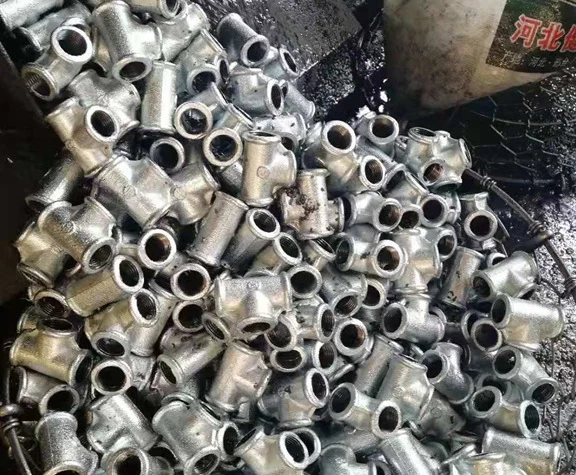
The replacement of galvanized steel pipes represents a critical update in fluid conveyance systems across numerous industries, including potable water distribution, industrial processing, and fire suppression. Galvanized steel, traditionally favored for its corrosion resistance due to zinc coating, is increasingly being superseded by alternative materials offering improved performance, longevity, and reduced maintenance requirements. This guide provides a comprehensive technical analysis of the rationale behind replacing galvanized steel, explores material options, details installation considerations, and outlines potential failure modes and mitigation strategies. The degradation of galvanized steel results in scaling, reduced flow rates, and potential contamination of transported fluids – core pain points driving the need for systematic replacement. Understanding the material science, engineering principles, and applicable standards is paramount to ensuring a successful and compliant upgrade.
Material Science & Manufacturing
Galvanized steel pipes consist of a ferrous base material coated with zinc via hot-dip galvanization. The zinc coating provides sacrificial cathodic protection, preventing corrosion of the underlying steel. However, this protection is not perpetual. Over time, the zinc layer depletes, exposing the steel to corrosion, particularly in aggressive environments. The manufacturing process involves forming steel sheets or coils, welding into pipe shapes, and subsequently immersing in molten zinc. Key parameters during galvanization include zinc bath temperature, immersion time, and cooling rate, impacting coating thickness and adhesion. Common replacement materials include copper, CPVC (Chlorinated Polyvinyl Chloride), PEX (Cross-linked Polyethylene), and stainless steel. Copper offers excellent corrosion resistance and antimicrobial properties but is expensive. CPVC provides good chemical resistance and is cost-effective but has lower temperature ratings. PEX is flexible, easy to install, and resistant to freezing, but its long-term performance with certain chemicals is a concern. Stainless steel provides superior corrosion resistance and strength, making it ideal for highly demanding applications, albeit at a premium cost. The choice hinges on application-specific requirements regarding fluid type, temperature, pressure, and regulatory compliance.
Performance & Engineering
Replacing galvanized steel necessitates a thorough hydraulic analysis to ensure the new piping system meets flow rate and pressure requirements. Galvanized steel's internal roughness increases with age due to corrosion and scale buildup, significantly reducing flow capacity. Material selection impacts pressure drop calculations. For instance, PEX exhibits lower friction factors compared to galvanized steel. Engineering considerations extend to thermal expansion and contraction. Copper and CPVC have higher coefficients of thermal expansion than steel, requiring expansion loops or flexible joints to prevent stress and potential failure. Seismic design is also crucial, especially in earthquake-prone regions, necessitating proper bracing and flexible connections to accommodate ground movement. Compatibility between joining methods (soldering, threading, crimping, fusion welding) and the chosen materials is vital to maintaining system integrity. Furthermore, the dielectric union must be considered when connecting dissimilar metals to prevent galvanic corrosion. Compliance with local plumbing codes and industry standards (e.g., ASSE, IAPMO) is non-negotiable.
Technical Specifications
| Material | Tensile Strength (PSI) | Corrosion Resistance | Operating Temperature (°F) |
|---|---|---|---|
| Galvanized Steel | 58,000 - 80,000 | Moderate (Sacrificial Zinc) | -20 to 250 |
| Copper | 40,000 - 60,000 | Excellent | -20 to 250 |
| CPVC | 6,000 - 8,000 | Good (Chemical Resistance) | -60 to 180 |
| PEX | 4,000 - 6,000 | Good (Freeze Resistance) | 33 to 200 |
| Stainless Steel (304) | 75,000 - 90,000 | Excellent | -300 to 600 |
| Stainless Steel (316) | 80,000 - 100,000 | Superior (Chloride Resistance) | -300 to 600 |
Failure Mode & Maintenance
Galvanized steel pipes are susceptible to several failure modes. Corrosion is the primary driver, leading to pitting, perforation, and eventual leaks. The zinc coating degrades over time, accelerating corrosion. Scaling, caused by mineral deposits accumulating on the internal surface, reduces flow capacity and promotes localized corrosion. Threaded connections are prone to leakage due to corrosion of the threads and inadequate sealing. Fatigue cracking can occur in systems subjected to cyclic pressure loads. For replacement systems, preventative maintenance is key. Copper systems require periodic inspection for leaks and corrosion. CPVC and PEX systems should be checked for cracks or deformation. Stainless steel systems require less frequent maintenance but should be inspected for pitting corrosion in aggressive environments. Regular flushing of the system to remove sediment and debris is recommended for all materials. When replacing galvanized steel, thorough cleaning and disinfection of the existing piping network before connecting new materials is crucial to prevent cross-contamination and galvanic corrosion. Utilizing dielectric unions is essential when connecting dissimilar metals, and periodic corrosion monitoring can provide early warning signs of potential issues.
Industry FAQ
Q: What is the typical lifespan extension achieved by replacing galvanized steel with copper?
A: Replacing galvanized steel with copper typically extends the lifespan of a plumbing system by at least 50-75 years, often exceeding 80 years with proper maintenance. Copper’s inherent corrosion resistance eliminates the progressive degradation experienced with galvanized steel, significantly reducing the risk of leaks and failures.
Q: How does the installation cost of PEX compare to that of replacing with copper?
A: PEX installation generally has a lower labor cost than copper due to its flexible nature and simpler joining methods (crimping or expansion fittings). However, the material cost of PEX can sometimes be comparable to or slightly higher than copper, depending on market conditions and the required fittings.
Q: What are the key considerations when transitioning from galvanized steel to CPVC in an industrial process piping system?
A: When transitioning to CPVC, ensure the process fluid is compatible with CPVC's chemical resistance profile. CPVC has a lower temperature rating than galvanized steel, so assess operating temperatures carefully. Account for CPVC's higher thermal expansion coefficient with expansion loops or flexible connections. Thoroughly flush the system to remove any residual debris from the galvanized steel piping before connecting the CPVC.
Q: Is cathodic protection necessary when using stainless steel piping connected to existing galvanized steel sections during a phased replacement?
A: Yes, cathodic protection is necessary when connecting stainless steel to galvanized steel. The potential difference between the two metals will create a galvanic cell, accelerating corrosion of the galvanized steel. Isolation using dielectric unions or sacrificial anodes is crucial to mitigate this galvanic corrosion effect.
Q: What inspection methods are recommended to assess the remaining lifespan of existing galvanized steel piping before deciding on a replacement strategy?
A: Visual inspection for external corrosion, leaks, and scaling is the first step. Ultrasonic thickness testing can accurately measure wall thinning due to internal corrosion. Hydrostatic testing can assess the integrity of the piping system under pressure. Water quality analysis can identify aggressive constituents contributing to corrosion. A comprehensive assessment combining these methods provides a reliable basis for informed decision-making.
Conclusion
The replacement of galvanized steel piping is often a necessary upgrade driven by performance degradation, corrosion concerns, and evolving regulatory requirements. Selecting the appropriate replacement material requires a comprehensive evaluation of the application’s specific needs, encompassing fluid compatibility, temperature, pressure, cost, and long-term maintenance considerations. A detailed engineering analysis, accounting for hydraulic characteristics, thermal expansion, and seismic factors, is essential for a successful and compliant installation.
Ultimately, proactively replacing aging galvanized steel infrastructure not only minimizes the risk of costly failures and disruptions but also enhances system efficiency, improves water quality, and ensures long-term operational reliability. Investing in robust materials and meticulous installation practices yields significant economic and environmental benefits throughout the system’s lifecycle.
