
Introduction
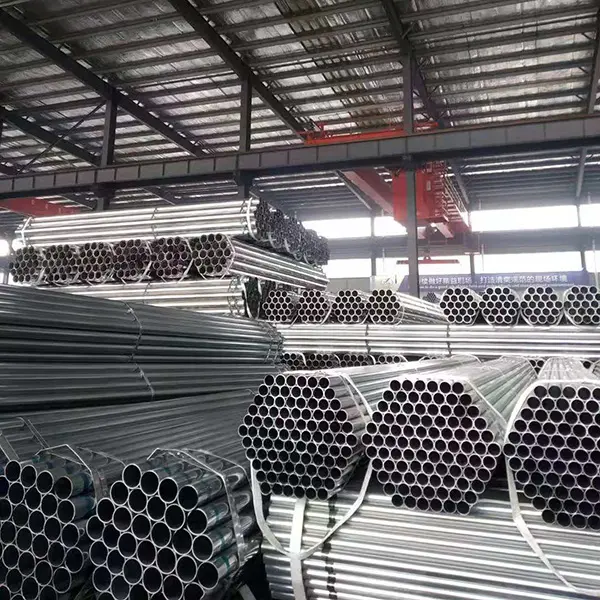
Gelvenaiz pipe, more accurately referred to as galvanized pipe, represents a critical component in fluid transport systems across diverse industrial applications. This guide focuses on understanding the pricing drivers, underlying metallurgy, manufacturing processes, performance characteristics, potential failure modes, and applicable industry standards related to galvanized steel pipe. Galvanization, the process of applying a protective zinc coating to steel, mitigates corrosion and extends the lifespan of the pipe, particularly in harsh environments. The price of gelvenaiz pipe is highly sensitive to raw material costs (steel and zinc), manufacturing complexity, pipe dimensions (diameter and wall thickness), and regional supply/demand dynamics. Proper specification and understanding of these factors are vital for procurement managers and engineers seeking optimal lifecycle cost and system reliability. The core performance metric for galvanized pipe is its resistance to corrosion, expressed through coating thickness and adherence. This guide will explore these aspects in detail.
Material Science & Manufacturing
The foundational material for gelvenaiz pipe is carbon steel, typically ASTM A53 Grade B or similar. The steel's composition dictates its inherent strength, ductility, and weldability. Key elements include carbon, manganese, silicon, and phosphorus, with precise percentages influencing mechanical properties. The galvanization process itself typically utilizes hot-dip galvanizing, where the steel pipe is immersed in a bath of molten zinc. This creates a metallurgical bond between the zinc and the steel, forming a series of zinc-iron alloy layers and a final outer layer of pure zinc. Coating thickness is a critical parameter, typically measured in ounces per square foot (oz/ft²) or grams per square meter (g/m²). The manufacturing process begins with steel strip forming and welding to create the pipe body. Critical parameters during welding include heat input, shielding gas composition, and welding speed. These influence the weld’s structural integrity and susceptibility to corrosion. Following welding, the pipe undergoes surface preparation – pickling to remove mill scale and fluxing to promote zinc adhesion. The hot-dip galvanizing process requires precise temperature control of the zinc bath (typically around 450°C) and immersion time to achieve the desired coating thickness. Post-galvanizing, quality control checks include coating thickness measurements, adhesion tests (e.g., bend tests), and visual inspections for defects such as bare spots or non-uniform coatings.
Performance & Engineering
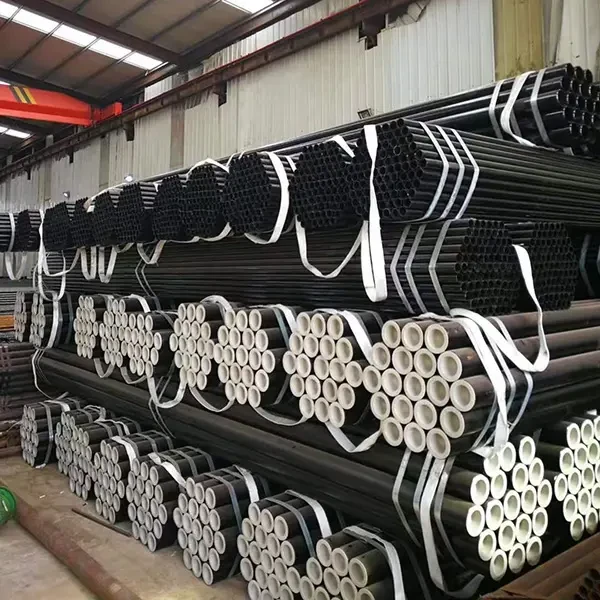
The primary engineering concern with galvanized pipe is its long-term corrosion resistance. While the zinc coating provides cathodic protection – sacrificing itself to protect the underlying steel – this protection is not indefinite. The rate of zinc consumption depends on environmental factors such as humidity, salinity, and exposure to industrial pollutants. Force analysis, especially pressure testing according to ASTM A106, is essential to verify the pipe's ability to withstand operating pressures. Finite element analysis (FEA) is often employed to model stress distributions and identify potential weak points, particularly around welds. Environmental resistance extends beyond corrosion to include considerations of temperature extremes. Galvanized steel can experience reduced ductility at low temperatures, increasing the risk of brittle fracture. High temperatures can accelerate corrosion rates and potentially compromise the integrity of the zinc coating. Compliance requirements often dictate specific coating thicknesses and adherence standards based on the intended application. For example, potable water systems have stricter requirements than irrigation systems. The pipe’s mechanical properties – yield strength, tensile strength, and elongation – are critical parameters that must meet relevant industry standards. Furthermore, thread connection integrity is paramount, requiring adherence to standards like ANSI/ASME B1.20.1 for tapered threads.
Technical Specifications
| Parameter | ASTM A53 Grade B | ASTM A153 | Schedule 40 | Schedule 80 |
|---|---|---|---|---|
| Material | Carbon Steel | Hot-Dip Galvanized Steel | Carbon Steel | Carbon Steel |
| Typical Yield Strength (MPa) | 250 | 250 | 250 | 250 |
| Typical Tensile Strength (MPa) | 400 | 400 | 400 | 400 |
| Minimum Coating Thickness (μm) | N/A | 85 | N/A | N/A |
| Typical Wall Thickness (mm) | Variable | Variable | 3.38 | 4.93 |
| Maximum Operating Pressure (MPa) | Variable | Variable | Variable | Variable |
Failure Mode & Maintenance
Several failure modes are common in galvanized pipe. Uniform corrosion, while mitigated by the zinc coating, still occurs over time, especially in aggressive environments. Localised corrosion, such as pitting and crevice corrosion, can initiate at imperfections in the coating or around joints. Under-film corrosion occurs when moisture and contaminants penetrate the coating, leading to corrosion of the underlying steel. Another significant failure mode is coating delamination, where the zinc coating separates from the steel substrate due to poor adhesion or mechanical stress. Hydrogen embrittlement, a phenomenon where hydrogen atoms diffuse into the steel, can lead to cracking, particularly in high-strength steels. Maintenance involves regular visual inspections for signs of corrosion, coating damage, or leaks. Periodic coating repairs may be necessary, using zinc-rich paints or re-galvanizing techniques. For threaded connections, regular tightening may be required to prevent leaks. Cathodic protection systems, such as sacrificial anodes, can be implemented to extend the lifespan of underground pipelines. Cleaning the pipe surface to remove dirt and debris can also help prevent localized corrosion. In cases of significant corrosion or damage, pipe replacement is the most reliable solution.
Industry FAQ
Q: What is the expected lifespan of galvanized pipe in a coastal environment?
A: The lifespan of galvanized pipe in a coastal environment, characterized by high salinity and humidity, is significantly reduced compared to inland applications. Expect a service life of 20-30 years with regular maintenance, but it can be less than 20 years in highly corrosive conditions. Implementing cathodic protection and conducting routine inspections are critical to maximizing lifespan.
Q: How does water quality (pH level) affect the corrosion rate of galvanized pipe?
A: Water with a low pH (acidic) accelerates corrosion of galvanized pipe. Acidic water dissolves the zinc coating more readily, reducing its protective effect. Conversely, alkaline water (high pH) can form a protective zinc oxide layer. Maintaining a neutral pH is optimal for maximizing the lifespan of galvanized pipe.
Q: What is the difference between Schedule 40 and Schedule 80 galvanized pipe?
A: Schedule 40 and Schedule 80 refer to the pipe wall thickness. Schedule 80 pipe has a thicker wall than Schedule 40, providing greater strength and resistance to pressure. Schedule 80 is typically used in higher-pressure applications or where greater mechanical strength is required.
Q: What are the alternatives to galvanized pipe for corrosion resistance?
A: Alternatives include stainless steel pipe, ductile iron pipe with epoxy coating, polyethylene (PE) pipe, and polypropylene (PP) pipe. Stainless steel offers superior corrosion resistance but is more expensive. Epoxy-coated ductile iron provides a good balance of cost and performance. PE and PP are suitable for low-pressure applications and offer excellent chemical resistance.
Q: Is it possible to connect galvanized pipe to dissimilar metals? What precautions should be taken?
A: Connecting galvanized pipe to dissimilar metals, such as copper, can lead to galvanic corrosion. The more noble metal (e.g., copper) will corrode preferentially. To mitigate this, dielectric unions or insulating fittings must be used to electrically isolate the dissimilar metals.
Conclusion
Gelvenaiz (galvanized) pipe remains a cost-effective solution for fluid transport in numerous applications, provided its limitations regarding corrosion are understood and addressed. The price of this material is inextricably linked to the cost of raw materials and the quality of the galvanization process. Successful implementation requires careful consideration of the operating environment, appropriate material selection, and regular maintenance.
Future developments in coating technologies, such as advanced zinc alloy coatings and hybrid organic-inorganic coatings, are expected to enhance the corrosion resistance and lifespan of galvanized steel pipe. Continued research into cathodic protection systems and non-destructive testing methods will also contribute to improved reliability and cost-effectiveness.
