
Introduction
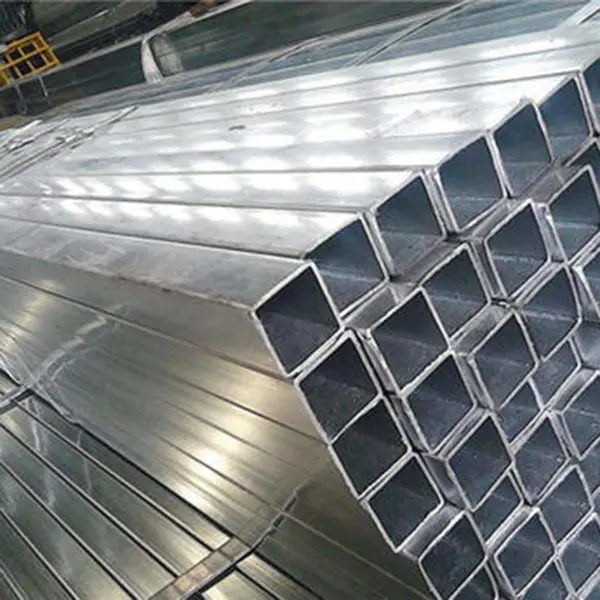
Seam and seamless pipe constitute fundamental components in fluid transport systems across numerous industries, including oil and gas, petrochemicals, construction, and power generation. This guide provides an in-depth technical analysis of these pipe types, encompassing material science, manufacturing processes, performance characteristics, potential failure modes, and relevant industry standards. Seam pipe, also known as welded pipe, is fabricated by rolling and welding steel plates, while seamless pipe is manufactured without a welded seam, typically through extrusion or piercing processes. The choice between seam and seamless pipe is dictated by application requirements, prioritizing factors such as pressure rating, temperature resistance, corrosion environment, and cost considerations. Critical performance parameters include yield strength, tensile strength, hydrostatic pressure testing limits, and conformity to dimensional tolerances as defined by API 5L and similar specifications. Understanding these parameters is essential for ensuring structural integrity and operational safety in demanding industrial applications.
Material Science & Manufacturing
The predominant material for both seam and seamless pipe is carbon steel, with various alloy steel grades employed for enhanced properties. Carbon steel compositions, defined by ASTM A53 and A106 standards, dictate weldability, ductility, and corrosion resistance. Alloying elements like chromium, molybdenum, and nickel are added to create alloy steels (e.g., ASTM A335 grades) that offer superior strength at elevated temperatures and improved resistance to specific corrosive media. Manufacturing seam pipe begins with hot rolling of steel plates. These plates are formed into cylindrical shapes and subsequently welded along the seam, utilizing processes such as Electric Resistance Welding (ERW), Submerged Arc Welding (SAW), or High-Frequency Induction Welding (HFIW). Each welding method imparts unique microstructural characteristics to the weld zone, influencing its mechanical properties and susceptibility to corrosion. Seamless pipe production typically involves the Mannesmann process (piercing and rolling), extrusion, or hot spinning. The Mannesmann process creates a hollow billet that is then expanded and finished to the desired dimensions. Critical process parameters include temperature control during heating and forming, reduction ratios during piercing or rolling, and cooling rates to prevent the formation of detrimental microstructures like martensite. Post-manufacturing heat treatment (normalization, quenching & tempering) is often employed to refine grain structure and achieve specified mechanical properties. Non-Destructive Examination (NDE) techniques, including ultrasonic testing (UT), radiographic testing (RT), and magnetic particle inspection (MPI), are vital for ensuring weld integrity in seam pipe and detecting flaws in seamless pipe.
Performance & Engineering
The mechanical performance of both seam and seamless pipe is governed by factors like yield strength, tensile strength, elongation, and impact toughness. These properties are evaluated through standardized testing procedures outlined in ASTM standards. Hoop stress analysis is crucial for determining the pressure-bearing capacity of cylindrical pressure vessels and pipelines constructed from these pipes. The Barlow’s formula and Lame’s equations are fundamental in these calculations, considering factors like pipe diameter, wall thickness, and internal pressure. Environmental resistance is a key consideration. Corrosion, particularly in the presence of chlorides, sulfides, or acidic environments, can lead to pitting, crevice corrosion, and stress corrosion cracking. Material selection and the application of protective coatings (epoxy, polyethylene, zinc-rich primers) are essential for mitigating corrosion. The impact of temperature on material properties must also be considered. Elevated temperatures can reduce yield strength and creep resistance, while low temperatures can lead to brittle fracture. Furthermore, cyclical loading can induce fatigue cracking, particularly in weld zones. Finite Element Analysis (FEA) is frequently employed to simulate stress distribution under various loading conditions, identify potential stress concentrators, and optimize pipe design. Compliance with industry-specific codes and standards (ASME B31.3 for process piping, API 5L for line pipe) is paramount for ensuring safety and reliability.
Technical Specifications
| Parameter | Seamless Pipe (Typical) | Seam Pipe (ERW/HFIW - Typical) | Units |
|---|---|---|---|
| Material Grade | ASTM A53 Grade B, API 5L X42 | ASTM A53 Grade B, API 5L X42 | - |
| Outer Diameter | 1/2" to 48" | 1/2" to 80" | inches |
| Wall Thickness | Schedule 40, 80, 160 | Schedule 40, 80, XS, Double Extra Strong | inches |
| Yield Strength | 36,000 - 70,000 | 36,000 - 70,000 | psi |
| Tensile Strength | 60,000 - 100,000 | 60,000 - 100,000 | psi |
| Elongation | 20% min | 20% min | % |
| Hydrostatic Test Pressure | Dependent on Grade & Schedule | Dependent on Grade & Schedule | psi |
Failure Mode & Maintenance
Common failure modes in seam and seamless pipes include corrosion-related failures (general corrosion, pitting, erosion), fatigue cracking (particularly at weld seams or stress concentrators), stress corrosion cracking (SCC), and ductile fracture. Fatigue cracking is often initiated by surface defects or weld imperfections and propagates under cyclical loading. SCC occurs due to the combined action of tensile stress and a corrosive environment. Ductile fracture results from excessive plastic deformation under static loading. Regular inspection programs are critical for detecting and mitigating these failures. Non-Destructive Examination (NDE) techniques like UT, RT, and eddy current testing (ECT) are employed to assess pipe integrity. Visual inspection for signs of corrosion or damage is also essential. Maintenance practices include applying protective coatings, implementing cathodic protection systems, and conducting periodic hydrostatic testing. For seam pipe, careful monitoring of weld seam integrity is paramount. Should defects be identified, repairs may involve grinding and re-welding or the application of composite repair sleeves. Preventative maintenance, including regular cleaning and removal of debris, can significantly extend pipe lifespan and reduce the risk of failures. Proper material selection, fabrication techniques, and operating conditions are fundamental to minimizing the likelihood of failure.
Industry FAQ
Q: What are the primary advantages of seamless pipe over welded (seam) pipe in high-pressure applications?
A: Seamless pipe, by virtue of lacking a weld seam, offers superior resistance to circumferential stress and is therefore generally preferred for critical high-pressure applications. The weld seam in seam pipe represents a potential point of weakness and is susceptible to cracking or failure under high stress. While advancements in welding techniques have significantly improved the reliability of seam pipe, seamless pipe maintains a margin of safety advantage, particularly in corrosive or cyclically loaded environments.
Q: How does the welding process impact the mechanical properties of seam pipe?
A: The welding process induces a Heat-Affected Zone (HAZ) around the weld seam, altering the microstructure and mechanical properties of the steel. The HAZ can exhibit lower ductility and increased hardness compared to the base metal. The specific impact depends on the welding method, heat input, and cooling rate. Post-weld heat treatment is often employed to mitigate these effects and restore ductility to the HAZ.
Q: What are the key considerations when selecting a pipe material for a corrosive environment?
A: Material selection is paramount. The corrosive medium's chemical composition, temperature, and concentration must be carefully considered. Alloy steels containing chromium, molybdenum, or nickel offer enhanced corrosion resistance. Protective coatings (epoxy, polyethylene, zinc-rich primers) can provide an additional barrier against corrosion. Cathodic protection systems can also be employed to mitigate corrosion in underground or submerged pipelines.
Q: What is the role of Non-Destructive Examination (NDE) in ensuring pipe quality?
A: NDE is critical for detecting internal and surface defects that may compromise pipe integrity. Techniques like ultrasonic testing (UT), radiographic testing (RT), magnetic particle inspection (MPI), and eddy current testing (ECT) are used to identify flaws such as cracks, porosity, and inclusions. Regular NDE inspections are essential for preventative maintenance and ensuring compliance with industry standards.
Q: How do international standards like API 5L and ASME B31.3 influence pipe selection and operation?
A: API 5L specifies requirements for line pipe used in oil and gas transmission, covering material specifications, manufacturing processes, and testing procedures. ASME B31.3 provides rules for the design, construction, operation, and maintenance of process piping systems. Compliance with these standards is essential for ensuring safety, reliability, and regulatory compliance. They dictate parameters such as allowable stress, hydrostatic test pressure, and inspection intervals.
Conclusion
The selection and application of seam and seamless pipe demand a thorough understanding of material science, manufacturing processes, and performance characteristics. Seamless pipe generally provides superior strength and reliability in critical applications, while seam pipe offers cost advantages for less demanding scenarios. Robust inspection protocols and preventative maintenance strategies are essential for mitigating potential failure modes and ensuring long-term operational integrity.
Ultimately, a holistic approach incorporating appropriate material selection, rigorous quality control, and adherence to relevant industry standards is crucial for maximizing the lifespan and safety of pipeline infrastructure. Future advancements in welding technology, non-destructive examination techniques, and corrosion-resistant materials will continue to refine the performance and reliability of both seam and seamless pipe in challenging industrial environments.
