
Introduction
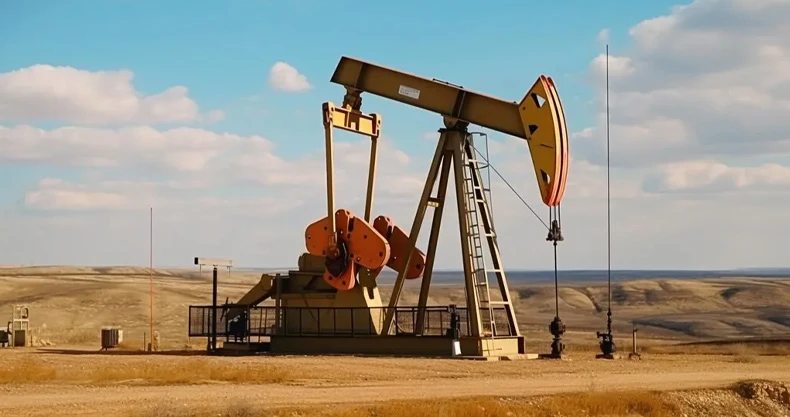
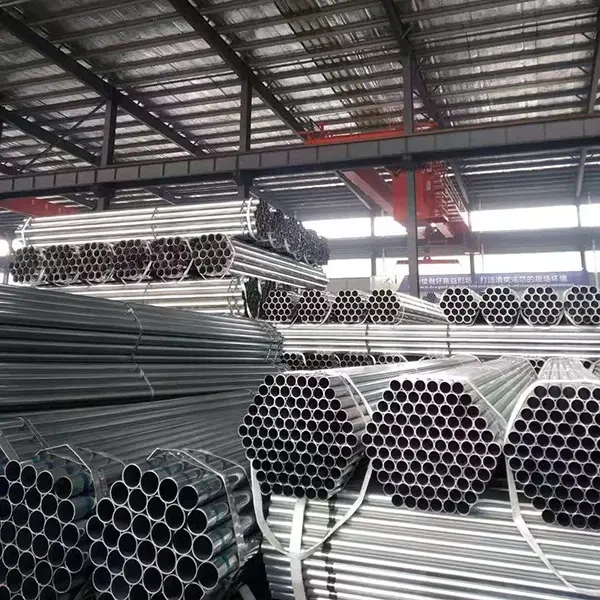
Seamless black steel pipe is a type of steel pipe manufactured without a welded seam, offering superior strength and reliability compared to welded counterparts. Positioned within the ferrous metallurgy industry, it serves as a crucial component in various applications including oil and gas transportation, structural engineering, and high-pressure fluid conveyance. The ‘black’ designation refers to the mill scale coating, a byproduct of the manufacturing process providing a degree of corrosion resistance, though often requiring further treatment for demanding environments. Core performance characteristics center around its pressure rating, tensile strength, and dimensional accuracy, directly influencing its suitability for specific operational demands. Its widespread adoption is driven by the demand for robust, long-lasting piping solutions capable of withstanding harsh operating conditions and adhering to stringent safety regulations. This guide provides an in-depth analysis of its material science, manufacturing, performance parameters, failure modes, and relevant industry standards.
Material Science & Manufacturing
The primary raw material for seamless black steel pipe is carbon steel, typically conforming to ASTM A53 Grade B or API 5L specifications. The carbon content typically ranges from 0.05% to 0.25%, influencing weldability and ductility. Other alloying elements such as manganese (0.20-1.35%), silicon (0.05-0.30%), and phosphorus (max 0.04%) are present in controlled quantities to enhance mechanical properties. The manufacturing process begins with billet preparation, followed by hot rolling through a piercing mill. This process employs rotary tooling to create a hollow shell from the solid billet. Subsequently, the pipe undergoes reheating, stretching, and reducing operations to achieve the desired diameter and wall thickness. Key parameters rigorously controlled include temperature (critical for material ductility during forming), reduction ratio (influencing grain refinement and mechanical strength), and piercing speed (affecting surface quality). Post-manufacturing, the pipe is subjected to non-destructive testing (NDT) such as ultrasonic testing to detect internal flaws and ensure structural integrity. The mill scale coating, a complex mixture of iron oxides, provides initial protection but is often removed via pickling or shot blasting prior to coating application. Chemical compatibility with conveyed fluids must be considered, and internal coatings may be applied to prevent corrosion or scaling.
Performance & Engineering
Performance of seamless black steel pipe is largely dictated by its ability to withstand internal and external pressures, tensile stresses, and cyclic loading. Force analysis relies on the Barlow's formula to calculate burst pressure: P = (2St)/D, where P is pressure, S is tensile strength, t is wall thickness, and D is outer diameter. Environmental resistance is crucial, particularly in corrosive environments. The mill scale provides limited protection; however, prolonged exposure to moisture and chlorides can lead to localized corrosion. External coatings such as epoxy or polyethylene are frequently employed to enhance corrosion resistance. Compliance requirements vary based on application; oil and gas pipelines are subject to stringent regulations outlined by DOT (Department of Transportation) and API (American Petroleum Institute) standards. Fatigue analysis is essential for applications involving cyclic loading, such as offshore platforms or earthquake-prone regions. Finite element analysis (FEA) is commonly used to model stress distribution and predict fatigue life. Functional implementation necessitates proper joint design; threaded connections, welded joints, or flanged connections are employed, each requiring careful consideration of stress concentration and sealing integrity. The yield strength of the steel dictates its ability to return to its original shape after deformation, which is vital in applications subject to bending or impact.
Technical Specifications
| Parameter | ASTM A53 Grade B | API 5L X42 | API 5L X52 |
|---|---|---|---|
| Outer Diameter (inches) | 0.5 - 4.0 | 0.453 – 4.5 | 0.453 – 4.5 |
| Wall Thickness (inches) | 0.065 - 0.280 | 0.095 – 0.500 | 0.095 – 0.500 |
| Yield Strength (psi) | 36,000 | 42,000 | 52,000 |
| Tensile Strength (psi) | 58,000 | 65,000 | 75,000 |
| Elongation (%) | 23 | 21 | 19 |
| Hydrostatic Test Pressure (psi) | Variable, based on size and thickness | Variable, based on size and grade | Variable, based on size and grade |
Failure Mode & Maintenance
Seamless black steel pipe is susceptible to several failure modes. Corrosion, particularly pitting and crevice corrosion, is a prevalent issue in aggressive environments. Fatigue cracking can occur under cyclic loading, initiating at stress concentrators such as welds or defects. Hydrogen embrittlement, induced by exposure to hydrogen-containing environments, can lead to brittle fracture. Erosion-corrosion, a synergistic effect of abrasive particles and corrosive fluids, can erode the protective scale and accelerate corrosion rates. High-temperature oxidation can degrade the material at elevated temperatures. Maintenance strategies include regular visual inspections for corrosion or damage, non-destructive testing (ultrasonic, radiographic) to detect internal flaws, and application of protective coatings. Cathodic protection can be employed to mitigate corrosion in buried pipelines. Internal cleaning to remove deposits and scale is crucial for maintaining flow efficiency and preventing corrosion. Properly designed and maintained supports are essential to prevent overstressing and fatigue failure. When cracks or significant corrosion are detected, repair welding or pipe replacement is necessary. The presence of chlorides dramatically accelerates corrosion rates; therefore, monitoring chloride levels in the conveyed fluid or surrounding environment is vital. Regular hydrostatic testing can verify the structural integrity of the pipe.
Industry FAQ
Q: What is the primary advantage of seamless pipe over welded pipe in high-pressure applications?
A: Seamless pipe, due to the absence of a weld seam, exhibits superior uniformity in material properties and lacks a potential point of failure associated with weld defects. This results in a higher pressure rating and increased reliability in high-pressure environments.
Q: How does the mill scale affect corrosion resistance?
A: While providing a degree of initial protection, the mill scale is not a reliable long-term corrosion barrier. It is porous and can trap moisture and contaminants, accelerating localized corrosion. It's typically removed and replaced with more robust coatings for demanding applications.
Q: What are the key considerations when selecting a coating for seamless black steel pipe?
A: Coating selection depends on the conveyed fluid, operating temperature, and environmental conditions. Epoxy coatings offer good general corrosion resistance, while polyethylene coatings provide excellent protection in buried applications. Factors such as adhesion, flexibility, and abrasion resistance must also be considered.
Q: How often should hydrostatic testing be performed on pipeline systems?
A: The frequency of hydrostatic testing is dictated by regulatory requirements and risk assessment. Typically, testing is performed after installation, repairs, and periodically (e.g., every 5-10 years) to verify the structural integrity of the system.
Q: What is the significance of the ‘X’ grade in API 5L specifications (e.g., X42, X52)?
A: The ‘X’ grade indicates the minimum yield strength of the steel in thousands of pounds per square inch (ksi). Therefore, X42 steel has a minimum yield strength of 42 ksi, and X52 steel has a minimum yield strength of 52 ksi, directly impacting its ability to withstand pressure and stress.
Conclusion
Seamless black steel pipe remains a fundamental component in numerous critical infrastructure applications due to its robust mechanical properties and reliability. Its manufacturing process, rooted in established metallurgical principles, demands precise control over key parameters to ensure consistent quality and performance. Understanding its material science, potential failure modes, and applicable industry standards is paramount for engineers and procurement professionals involved in pipeline design, construction, and maintenance.
Future developments will likely focus on enhanced corrosion-resistant alloys, advanced coating technologies, and improved non-destructive testing methods to extend service life and minimize environmental impact. Continued adherence to stringent quality control procedures and regulatory compliance will be essential to maintaining the integrity of pipeline infrastructure and ensuring safe and efficient operation. Implementing predictive maintenance strategies based on real-time monitoring and data analytics will further optimize performance and reduce the risk of unexpected failures.
