

Introduction
Seamless pipe for hydraulic applications represents a critical component within fluid power systems, distinguished by its fabrication process – extruded without a weld seam. This configuration differentiates it from welded pipe, providing enhanced structural integrity and resistance to pressure, crucial for the safe and efficient transmission of hydraulic fluid. Its technical position resides within the upstream manufacturing of hydraulic machinery, including cylinders, actuators, and fluid conveyance networks. Core performance characteristics include high pressure containment, resistance to fatigue under cyclic loading, and compatibility with a wide range of hydraulic fluids. The industry frequently faces challenges with achieving consistent dimensional tolerances, maintaining surface finish quality to minimize friction and wear, and ensuring adequate corrosion resistance to prolong service life. The selection of appropriate material grade and manufacturing process directly impacts the reliability and safety of hydraulic systems across various industrial sectors.
Material Science & Manufacturing
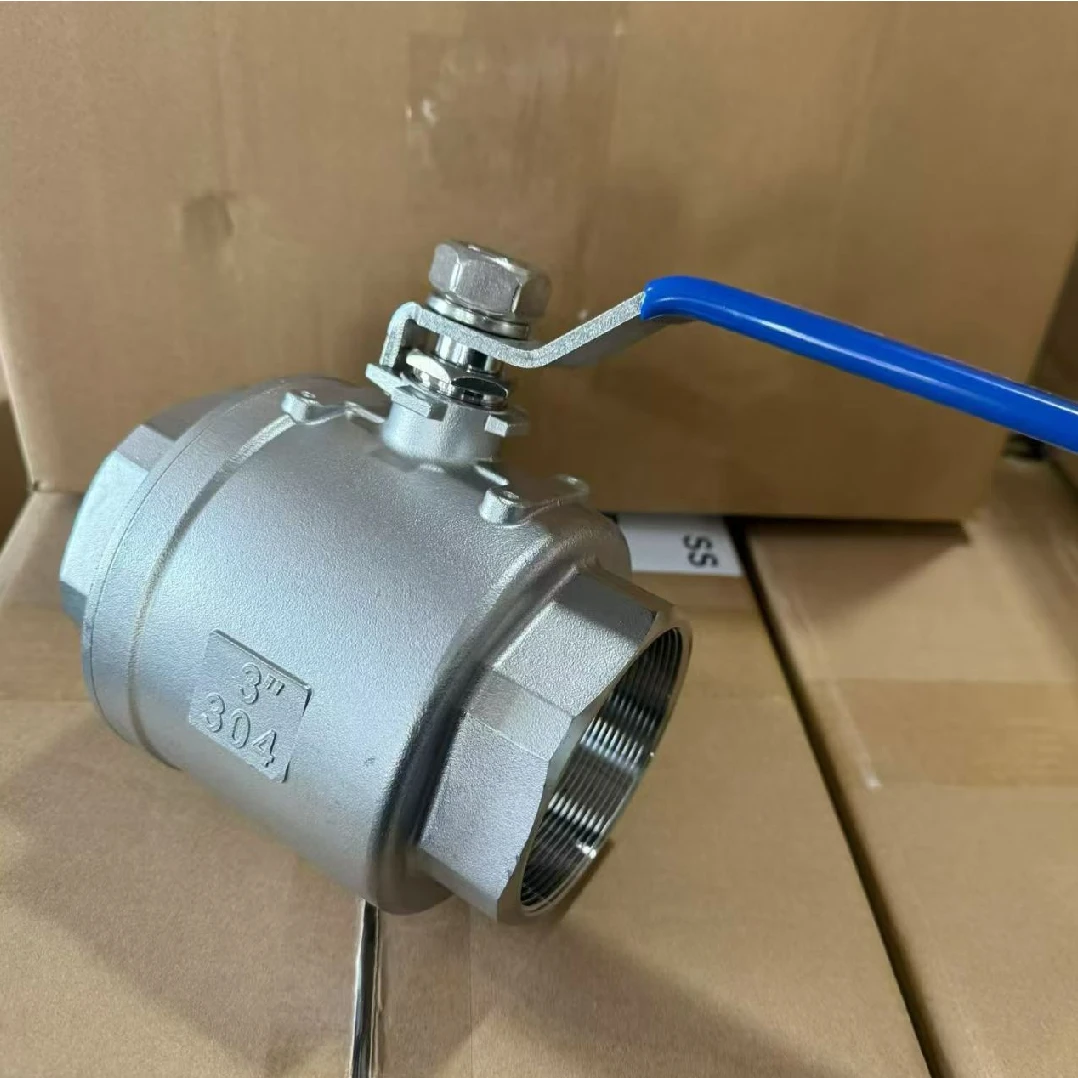
The predominant material for seamless hydraulic pipe is carbon steel, specifically alloys like ASTM A53 Grade B or API 5L X42. These steels offer a balance of strength, ductility, and weldability. Alloy steels, such as those containing chromium and molybdenum (e.g., 4140), are employed in high-pressure, high-temperature applications, offering superior yield and tensile strength. Stainless steel grades (304, 316) are selected for applications requiring resistance to corrosive fluids or environments. The manufacturing process begins with billet heating followed by piercing using a mandrel. This rotary piercing process creates the hollow tube. Subsequent stages involve reheating, elongation, and reduction in diameter and wall thickness via processes like drawing and rolling. Critical parameters during manufacturing include temperature control to avoid grain growth and maintain desired mechanical properties, mandrel speed and pressure to ensure concentricity and dimensional accuracy, and cooling rate to manage residual stresses. Surface treatments, such as normalizing and quenching, are often applied to refine the microstructure and enhance mechanical strength. Chemical composition is tightly controlled to meet stringent industry specifications. A key industry pain point is maintaining consistent wall thickness, which directly impacts burst pressure and contributes to potential failure points.
Performance & Engineering
Performance assessment of seamless hydraulic pipe necessitates rigorous analysis of burst pressure, yield strength, tensile strength, and fatigue resistance. Burst pressure is determined through hydrostatic testing, where the pipe is subjected to increasing internal pressure until failure. Yield strength dictates the load at which permanent deformation occurs, while tensile strength represents the maximum load the pipe can withstand before fracture. Fatigue resistance is paramount, as hydraulic systems operate under cyclic loading. Finite Element Analysis (FEA) is frequently employed to simulate stress distribution under various load conditions and identify potential weak points. Environmental resistance is also crucial, particularly regarding corrosion. Hydraulic fluids can contain water and other contaminants that promote corrosion. Surface coatings, such as zinc phosphate or epoxy, are used to mitigate corrosion. Compliance requirements, such as those stipulated by ISO 3183 (hydraulic fluid power – fittings), dictate dimensional tolerances and testing procedures. The pipe’s internal surface roughness affects fluid flow and pressure drop. A smoother surface reduces friction and improves efficiency. The selection of pipe schedule (wall thickness) directly influences its pressure rating and weight. A common industry challenge is balancing cost with performance; thinner-walled pipes are more economical but offer lower pressure ratings and reduced corrosion allowance.
Technical Specifications
| Parameter | ASTM A53 Grade B | API 5L X42 | AISI 304/304L |
|---|---|---|---|
| Yield Strength (MPa) | 250 | 345 | 205 |
| Tensile Strength (MPa) | 400 | 485 | 515 |
| Burst Pressure (MPa) | Dependent on diameter & wall thickness | Dependent on diameter & wall thickness | Dependent on diameter & wall thickness |
| Corrosion Rate (mm/year) | 0.05-0.5 (in various fluids) | 0.05-0.5 (in various fluids) | <0.01 (in many fluids) |
| Surface Roughness (Ra, μm) | 1.6 | 1.6 | 0.8 |
| Operating Temperature Range (°C) | -30 to 150 | -40 to 200 | -196 to 427 |
Failure Mode & Maintenance
Common failure modes in seamless hydraulic pipe include fatigue cracking, corrosion-induced pitting, denting from external impact, and erosion due to high-velocity fluid flow. Fatigue cracking initiates at stress concentrators, such as imperfections in the material or at threaded connections. Corrosion pitting weakens the pipe wall, reducing its pressure-bearing capacity. Denting, even if seemingly minor, significantly reduces the pipe's ability to withstand internal pressure. Erosion occurs primarily in areas with turbulent flow, such as bends and valves. Failure analysis often involves metallurgical examination to identify the root cause of the failure. Preventive maintenance measures include regular visual inspection for signs of corrosion, dents, or cracks; hydrostatic testing to verify pressure integrity; and fluid analysis to monitor for contamination and degradation. Internal cleaning to remove sediment and debris is also essential. Periodic surface coating inspection and repair can prolong service life. A critical maintenance challenge is accurately assessing the remaining service life of pipes operating in harsh environments or subjected to cyclic loading. Non-destructive testing (NDT) methods, such as ultrasonic testing and radiographic testing, are used to detect internal flaws and assess wall thickness without compromising the pipe’s integrity.
Industry FAQ
Q: What are the key differences between seamless and welded hydraulic pipe, and when would you specify one over the other?
A: Seamless pipe, manufactured without a weld seam, offers superior strength and pressure-bearing capacity, making it ideal for critical applications involving high pressures or cyclic loading. Welded pipe is generally more cost-effective but exhibits reduced strength at the weld seam. We would specify seamless pipe for high-pressure hydraulic systems, safety-critical applications, or when fatigue resistance is paramount. Welded pipe is suitable for lower-pressure systems where cost is a primary concern.
Q: How does material selection impact the corrosion resistance of hydraulic pipe?
A: Material selection is critical. Carbon steel is susceptible to corrosion in the presence of water and certain hydraulic fluids. Alloy steels with chromium and molybdenum offer improved corrosion resistance. Stainless steels, particularly 304/316, provide excellent corrosion resistance in a wide range of fluids. The choice depends on the specific fluid being used and the operating environment.
Q: What are the typical acceptance criteria for dimensional tolerances in seamless hydraulic pipe?
A: Dimensional tolerances are typically governed by industry standards like ASTM A53 or API 5L. Acceptance criteria specify permissible variations in outside diameter, wall thickness, and straightness. Deviations exceeding these tolerances can compromise pressure ratings and fitting compatibility.
Q: What is the role of hydrostatic testing in ensuring the integrity of hydraulic pipe?
A: Hydrostatic testing involves pressurizing the pipe with a fluid (typically water) to a level significantly exceeding its working pressure. This test verifies the pipe’s ability to withstand pressure without leaking or deforming. It identifies potential flaws or weaknesses that may not be visible during visual inspection.
Q: What non-destructive testing methods are commonly used for in-service inspection of hydraulic pipe?
A: Common NDT methods include ultrasonic testing (UT) to detect internal flaws and measure wall thickness, radiographic testing (RT) to visualize internal defects, and magnetic particle inspection (MPI) to detect surface cracks. These methods allow for assessment of pipe condition without requiring removal from service.
Conclusion
Seamless hydraulic pipe serves as a foundational element in reliable fluid power systems, demanding careful consideration of material science, manufacturing processes, and performance engineering principles. The absence of a weld seam provides inherent advantages in strength and safety, making it preferable for critical applications. Proper material selection, coupled with stringent quality control during manufacturing and regular maintenance throughout its service life, are vital to preventing premature failure and ensuring optimal system performance.
Future trends indicate increasing demand for high-strength, lightweight materials and advanced surface coatings to enhance corrosion resistance and reduce friction. The integration of digital technologies, such as sensor-based monitoring and predictive maintenance algorithms, will enable proactive identification of potential issues and extend the lifespan of hydraulic systems. Continued adherence to international standards and best practices remains paramount to upholding the safety and reliability of hydraulic infrastructure.
