
Introduction
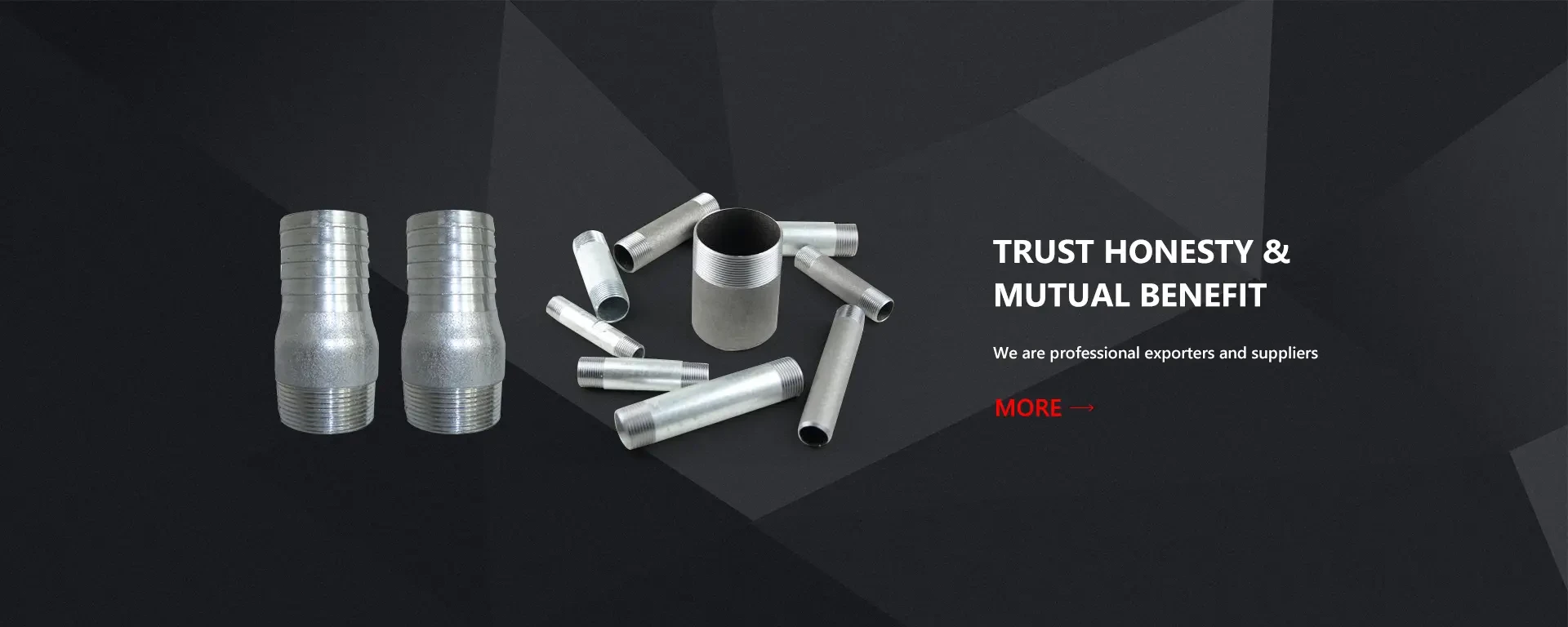
Seamless steel pipe, priced commonly per kilogram, represents a fundamental component across numerous industries including oil and gas, petrochemicals, construction, and power generation. Unlike welded pipe, seamless pipe is manufactured without a weld seam, offering superior strength, higher pressure capacity, and increased resistance to corrosion. This manufacturing difference directly impacts material costs, production complexities, and consequently, the price per kilogram. Understanding the factors influencing this price – including raw material composition (carbon steel, alloy steel, stainless steel), dimensions (diameter and wall thickness), manufacturing processes, and applicable industry standards – is crucial for informed procurement and engineering decisions. The price sensitivity to these factors underscores the need for a detailed technical assessment beyond simply comparing nominal costs. This guide provides an in-depth exploration of the material science, manufacturing, performance characteristics, failure modes, and relevant standards governing seamless pipe, directly impacting its price per kilogram.
Material Science & Manufacturing
The base material for seamless pipes is typically carbon steel (ASTM A53 Grade B, API 5L X42, etc.), alloy steel (ASTM A335 P11, P22, P91), or stainless steel (304/304L, 316/316L). Carbon steel offers cost-effectiveness, while alloy steels provide enhanced strength at elevated temperatures and corrosion resistance. Stainless steels excel in highly corrosive environments but come at a premium price. The manufacturing process, primarily hot rolling and subsequent cold drawing, significantly impacts the final price. Hot rolling involves heating a solid billet and passing it through rollers to achieve the desired diameter and wall thickness. This process often requires multiple passes and precise temperature control to avoid defects like eccentricity or uneven wall thickness. Cold drawing further refines the dimensions, improves surface finish, and enhances mechanical properties. Crucially, the initial billet quality—determined by steelmaking practices like ladle refining and vacuum degassing—directly affects the pipe’s internal microstructure. Inclusions, porosity, and grain size are critical parameters monitored during steelmaking. Heat treatment processes, such as normalizing and tempering, are applied to achieve specific mechanical properties, impacting the final cost. Chemical composition is tightly controlled to meet specific standards, and variations in alloy content (e.g., chromium, nickel, molybdenum) influence both performance and price. The manufacturing process also generates scrap metal, which is recycled, offsetting some cost, but doesn't entirely negate the complexity. Quality control throughout the process – including non-destructive testing (NDT) like ultrasonic testing (UT), radiographic testing (RT), and hydrostatic testing – adds to the overall cost but ensures product integrity.
Performance & Engineering
The performance of seamless pipe is dictated by several key engineering considerations. Yield strength (YS) and tensile strength (UTS) are crucial parameters, defining the pipe's resistance to permanent deformation and fracture under load. These properties are influenced by the steel grade, manufacturing process, and heat treatment. Pressure ratings, determined using Barlow’s formula (P = 2St/D, where P=pressure, S=allowable stress, t=wall thickness, D=diameter), dictate the maximum operating pressure the pipe can withstand. Corrosion resistance, especially in aggressive environments, is paramount. The selection of appropriate materials (e.g., stainless steel with varying molybdenum content) and the application of corrosion inhibitors are vital. Fatigue resistance – the ability to withstand cyclic loading – is critical in applications like offshore pipelines and pressure vessels. Crack propagation analysis, using fracture mechanics principles, assesses the likelihood of failure under cyclic stress. Environmental resistance also encompasses temperature effects. At elevated temperatures, creep (time-dependent deformation under constant stress) becomes a concern, necessitating the use of creep-resistant alloys. Furthermore, pipeline design must account for thermal expansion and contraction, requiring expansion loops and appropriate support systems. Compliance with industry standards, such as ASME B31.3 (Process Piping), API 5L (Line Pipe), and EN 10208/2 (Seamless Steel Tubes), is mandatory, adding to the engineering overhead and ultimately, the price per kilogram. Impact toughness, measured using Charpy V-notch testing, is crucial in low-temperature applications to prevent brittle fracture.
Technical Specifications
| Parameter | ASTM A53 Grade B (Carbon Steel) | ASTM A335 P11 (Alloy Steel) | 304/304L (Stainless Steel) | API 5L X42 (Carbon Steel) |
|---|---|---|---|---|
| Yield Strength (MPa) | 250 | 205 | 205 | 345 |
| Tensile Strength (MPa) | 400 | 415 | 517 | 485 |
| Wall Thickness Range (mm) | 2-25 | 2-50 | 1-30 | 2-40 |
| Outer Diameter Range (mm) | 10-660 | 10-660 | 6-660 | 21.3-1219 |
| Corrosion Resistance | Low (requires coating) | Moderate (better than A53) | Excellent | Low (requires coating) |
| Typical Price per kg (USD) | $1.50 - $2.50 | $3.00 - $5.00 | $5.00 - $10.00 | $1.80 - $3.00 |
Failure Mode & Maintenance
Seamless pipe can experience several failure modes. Corrosion is a primary concern, especially in harsh environments, leading to pitting, crevice corrosion, and stress corrosion cracking (SCC). Fatigue cracking can occur under cyclic loading, initiated at stress concentrators like dents or scratches. Erosion-corrosion, a synergistic effect of erosion and corrosion, is common in pipelines transporting abrasive fluids. Hydrogen embrittlement, particularly in high-strength steels, can lead to brittle fracture in the presence of hydrogen sulfide (H2S). Creep rupture, occurring at elevated temperatures, is a concern in power generation applications. Manufacturing defects, such as inclusions or porosity, can act as initiation sites for cracks. Maintenance involves regular inspection using NDT methods (UT, RT, eddy current testing) to detect cracks and corrosion. Protective coatings (epoxy, polyethylene) are applied to mitigate corrosion. Cathodic protection, using sacrificial anodes or impressed current systems, provides additional corrosion protection. Internal inspection using pipeline inspection tools (PIGs) can assess the condition of long-distance pipelines. Periodic hydrostatic testing verifies the pipe’s pressure integrity. Proper welding procedures, when joining pipes, are critical to avoid weld defects which can lead to premature failure. Monitoring operating conditions (pressure, temperature, fluid composition) is crucial for proactive maintenance and preventing failures. Preventative maintenance schedules, based on risk assessment, help minimize downtime and extend the pipe’s service life.
Industry FAQ
Q: What is the primary driver of price fluctuation for seamless pipe?
A: The primary driver is raw material cost – specifically, the price of steel billet. Fluctuations in iron ore prices, energy costs, and global steel demand significantly impact the price of seamless pipe. Secondary factors include manufacturing capacity, transportation costs, and specific alloy content (e.g., nickel and chromium in stainless steel).
Q: How does the manufacturing process influence the price difference between carbon steel and stainless steel seamless pipe?
A: Stainless steel requires more complex manufacturing processes due to its higher alloy content and work hardening characteristics. Processes like annealing and pickling are essential to restore ductility and remove surface scale, adding to the cost. The handling of stainless steel scrap is also more expensive due to its value.
Q: What level of Non-Destructive Testing (NDT) is typically required for critical applications like oil and gas pipelines?
A: For oil and gas pipelines, 100% radiographic testing (RT) is often mandated for critical welds and pipe bodies. Ultrasonic testing (UT) is also widely used for detecting internal flaws. Hydrostatic testing is performed to verify pressure integrity. These rigorous NDT procedures significantly contribute to the overall cost.
Q: Can you explain the impact of wall thickness on the price per kilogram?
A: Increasing wall thickness requires more material and increased processing time during manufacturing (drawing, heat treatment). While the diameter has a significant effect on total material volume, the wall thickness has a disproportionately large impact on the energy required for forming and finishing, thus impacting the price per kilogram. Thicker-walled pipes are also subject to stricter quality control measures.
Q: How do international trade regulations and tariffs affect the price of imported seamless pipe?
A: International trade regulations, including tariffs and anti-dumping duties, can significantly inflate the price of imported seamless pipe. Changes in trade policies and geopolitical events can create supply chain disruptions and price volatility. Country of origin also affects pricing due to varying labor costs and environmental regulations.
Conclusion
The price per kilogram of seamless pipe is a multifaceted metric governed by a complex interplay of material science, manufacturing processes, engineering considerations, and market dynamics. A comprehensive understanding of these factors is paramount for cost-effective procurement and reliable application. Choosing the appropriate material grade, manufacturing route, and quality control procedures, based on the specific operational requirements, is essential for optimizing both performance and price.
Looking ahead, advancements in steelmaking technologies, such as continuous casting and improved alloy design, will likely influence the price and performance of seamless pipe. Increasing demand for high-strength, corrosion-resistant materials in challenging environments will drive innovation and potentially increase costs. Continued adherence to stringent international standards and best practices in maintenance will be crucial for ensuring the long-term integrity and economic viability of seamless pipe infrastructure.
