
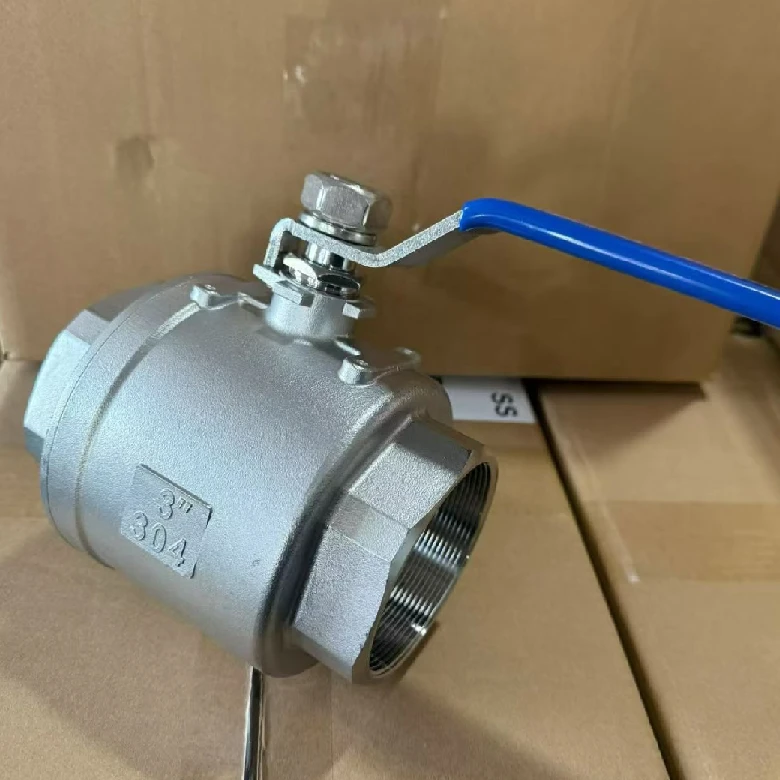
Introduction
Seamless pipe, distinguished by the absence of a welded seam, represents a critical component in numerous industrial applications, ranging from high-pressure pipelines and oil & gas extraction to structural engineering and power generation. A seamless pipe stockist specializes in the procurement, storage, and distribution of these vital materials, acting as a key link between manufacturers and end-users. The technical position of seamless pipe within the industry chain is upstream of fabrication and installation, requiring a deep understanding of material specifications, manufacturing processes, and stringent quality control measures. Core performance characteristics include high pressure containment capability, resistance to corrosion, dimensional accuracy, and mechanical strength. The increasing demand for reliable infrastructure and more efficient energy transfer is driving growth in the seamless pipe market, placing significant emphasis on stockists' ability to deliver materials that meet or exceed industry standards.
Material Science & Manufacturing
Seamless pipes are typically manufactured from high-quality steel grades, including carbon steel (ASTM A53, A106), alloy steel (ASTM A335, P11, P22), and stainless steel (ASTM A312, 304/304L, 316/316L). The raw material selection dictates the pipe’s resistance to corrosion, temperature, and pressure. Manufacturing primarily utilizes the Mannesmann process (piercing and drawing) or the extrusion process. The Mannesmann process begins with a solid billet, which is heated and pierced through the center using a mandrel. Subsequent drawing operations, involving multiple passes through progressively smaller dies, refine the pipe’s dimensions and wall thickness. Extrusion involves forcing a heated billet through a die, creating a hollow shape. Key parameters requiring precise control include billet temperature (critical for plasticity and avoiding defects), mandrel speed and pressure (affecting wall thickness uniformity), and die geometry (determining final pipe dimensions). Chemical composition is meticulously monitored through spectroscopic analysis to ensure adherence to specified standards. Microstructural analysis (grain size, inclusion content) is crucial for evaluating mechanical properties. Surface finishing, often involving pickling and passivation, enhances corrosion resistance. Non-destructive testing (NDT) methods such as ultrasonic testing (UT), radiographic testing (RT), and eddy current testing (ET) are employed to detect internal and surface flaws.

Performance & Engineering
The performance of seamless pipes is critically evaluated through several engineering parameters. Hydrostatic testing, conducted per ASTM E83, verifies the pipe’s ability to withstand internal pressure without failure. This test involves pressurizing the pipe with water to a predetermined level, typically 1.38 times the design pressure. Tensile testing (ASTM A370) determines the pipe’s yield strength, ultimate tensile strength, and elongation, providing insights into its ductility and resistance to deformation. Impact testing (ASTM A370) assesses the pipe’s toughness and resistance to brittle fracture, particularly at low temperatures. Fatigue analysis, often employing finite element analysis (FEA), predicts the pipe’s lifespan under cyclic loading conditions. Corrosion resistance is engineered through material selection (stainless steel alloys), surface treatments (coatings, passivation), and cathodic protection systems. Compliance requirements vary depending on the application and geographic location, encompassing standards set by ASME (American Society of Mechanical Engineers), API (American Petroleum Institute), and EN (European Standards). Force analysis considers internal pressure, external loads (bending moments, axial forces), and thermal stresses. Environmental resistance necessitates consideration of temperature extremes, corrosive environments (acidic, alkaline), and UV exposure.
Technical Specifications
| Material Grade | Outside Diameter (inches) | Wall Thickness (inches) | Yield Strength (psi) |
|---|---|---|---|
| ASTM A53 Grade B | 0.5 – 4.0 | 0.065 – 0.5 | 36,000 |
| ASTM A106 Grade B | 0.375 – 8.625 | 0.080 – 0.75 | 35,000 |
| ASTM A335 P11 | 0.5 – 5.5 | 0.125 – 0.5 | 30,000 |
| ASTM A312 304/304L | 0.125 – 4.5 | 0.035 – 0.25 | 30,000 |
| ASTM A312 316/316L | 0.125 – 4.5 | 0.035 – 0.25 | 30,000 |
| API 5L X42 | 4.5 – 24 | 0.156 – 1.0 | 42,000 |
Failure Mode & Maintenance
Seamless pipes can experience several failure modes during operation. Corrosion, both localized pitting and general corrosion, is a primary concern, especially in aggressive environments. Fatigue cracking, induced by cyclic loading, can occur at stress concentration points (welds, dents, geometric discontinuities). Stress corrosion cracking (SCC) results from the combined action of tensile stress and a corrosive environment. Erosion corrosion, caused by the impact of fluid particles, can wear away the pipe’s inner surface. Creep, the time-dependent deformation under sustained load, is a concern at elevated temperatures. Hydrogen embrittlement, resulting from the diffusion of hydrogen into the pipe material, can reduce ductility and promote cracking. Maintenance strategies include regular inspection using NDT methods (UT, RT, ET), corrosion monitoring (coupon testing, electrochemical techniques), and protective coating applications (epoxy, polyurethane). Internal cleaning and pigging remove deposits and prevent blockages. Cathodic protection systems mitigate corrosion by reducing the electrochemical potential of the pipe. Repair options include weld repairs (performed by qualified welders) and the use of composite sleeves to reinforce damaged areas. Preventive maintenance schedules should be based on operating conditions, material properties, and industry best practices.
Industry FAQ
Q: What is the significance of seamless pipe compared to welded pipe in critical applications?
A: Seamless pipe offers superior strength and reliability in critical applications due to the absence of a weld seam, which represents a potential point of failure. The homogenous structure of seamless pipe provides more uniform mechanical properties and resistance to cracking under pressure and stress. Welded pipes, while cost-effective, require rigorous weld inspection and quality control to ensure integrity.
Q: How does material selection impact corrosion resistance in different environments?
A: Material selection is paramount for corrosion resistance. Carbon steel is susceptible to corrosion in many environments and often requires coatings. Alloy steels (e.g., chrome-moly) offer improved resistance in high-temperature and pressure applications. Stainless steels, particularly 316/316L, provide excellent corrosion resistance in a wide range of environments due to the presence of chromium and molybdenum. Specific environments (e.g., sour gas) necessitate specialized alloys.
Q: What are the key considerations when selecting pipe schedule (wall thickness)?
A: Pipe schedule selection is determined by the design pressure, temperature, fluid velocity, and application. Higher schedules (thicker walls) provide greater strength and pressure containment capability. Factors like corrosion allowance and potential external loads also influence schedule selection. Economic considerations balance the cost of thicker-walled pipe against the increased safety and reliability it provides.
Q: What non-destructive testing (NDT) methods are commonly used to ensure pipe quality?
A: Ultrasonic testing (UT) is widely used to detect internal flaws and measure wall thickness. Radiographic testing (RT) provides a visual inspection of the entire pipe for internal defects. Eddy current testing (ET) detects surface cracks and material variations. Liquid penetrant testing (PT) and magnetic particle testing (MT) are used to identify surface defects. Each method has its strengths and limitations, and a combination of methods is often employed.
Q: What is the role of a seamless pipe stockist in ensuring timely project delivery?
A: A seamless pipe stockist maintains a large inventory of various sizes, grades, and schedules, enabling quick fulfillment of orders. They provide value-added services such as cutting, beveling, and coating. Efficient logistics and inventory management ensure timely delivery to project sites. Technical expertise assists customers in selecting the appropriate materials and specifications for their applications.
Conclusion
Seamless pipes are critical components in numerous demanding industries. Their inherent strength, reliability, and resistance to failure make them the preferred choice for applications involving high pressure, temperature, and corrosive environments. The ability of a seamless pipe stockist to deliver materials that consistently meet stringent quality standards and project timelines is vital for the success of complex engineering projects. Accurate material selection, meticulous manufacturing processes, and rigorous inspection protocols are all essential to ensure optimal performance and longevity.
Looking forward, advancements in material science and manufacturing techniques will continue to drive improvements in seamless pipe technology. The increasing focus on sustainability will necessitate the development of more corrosion-resistant materials and environmentally friendly manufacturing processes. Seamless pipe stockists will play an increasingly important role in providing technical expertise and customized solutions to meet the evolving needs of their customers and the broader industry.
