
Introduction
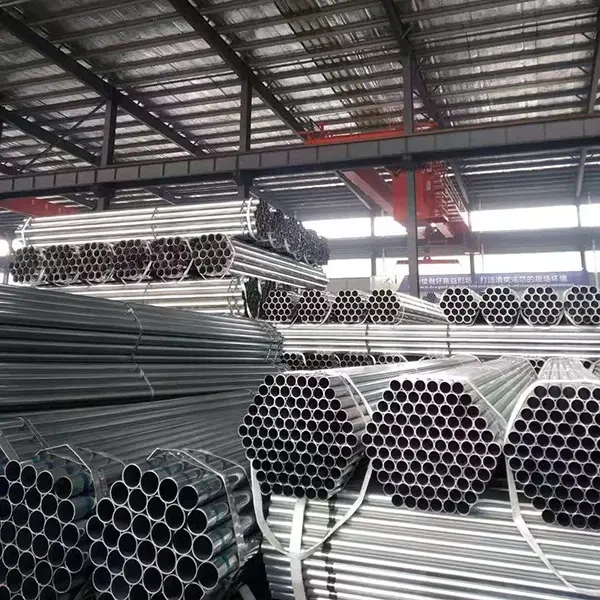
Stainless steel (SS) seamless pipe is a crucial component across numerous industrial sectors, including oil and gas, petrochemicals, power generation, and chemical processing. Unlike welded pipe, seamless pipe is manufactured without a weld seam, providing superior structural integrity and resistance to high pressure and extreme temperatures. Its technical position within the supply chain spans raw material sourcing (iron ore, chromium, nickel, molybdenum), melting and casting, hot and cold working processes, non-destructive testing, and ultimately, application-specific integration. Core performance characteristics hinge on precise control of chemical composition, dimensional accuracy, and mechanical properties, particularly yield strength, tensile strength, and elongation. The increasing demand for corrosion resistance, high-temperature service, and demanding mechanical loads drives continuous development in SS seamless pipe manufacturing technologies and material grades.
Material Science & Manufacturing
The fundamental material science underpinning SS seamless pipe begins with the selection of appropriate stainless steel alloys. Austenitic stainless steels (304/304L, 316/316L) are favored for their excellent corrosion resistance and weldability, achieved through the addition of chromium (typically 18-20%) and nickel (8-10%). Ferritic stainless steels (430, 409) offer good corrosion resistance at a lower cost but possess reduced ductility. Duplex stainless steels combine austenitic and ferritic microstructures for enhanced strength and corrosion resistance, particularly in chloride environments. Martensitic stainless steels (410, 420) are heat treatable, offering high strength and hardness, suitable for demanding mechanical applications.
Manufacturing typically proceeds via the hot rolling process. Billets of stainless steel are heated to high temperatures (1200-1300°C) and pierced to create a hollow tube. This is followed by multiple stages of rolling and drawing to achieve the desired outer diameter and wall thickness. Key parameters include precise temperature control during heating to prevent oxidation and grain growth, lubrication during rolling to minimize friction and surface defects, and controlled reduction in diameter and wall thickness to maintain material integrity. Cold drawing further refines dimensional tolerances and enhances mechanical properties. Non-destructive testing (NDT), including ultrasonic testing, eddy current testing, and radiographic testing, is critical for detecting internal and surface flaws. Surface finishing processes, such as pickling and passivation, enhance corrosion resistance by removing surface contaminants and forming a protective chromium-rich oxide layer.
Performance & Engineering
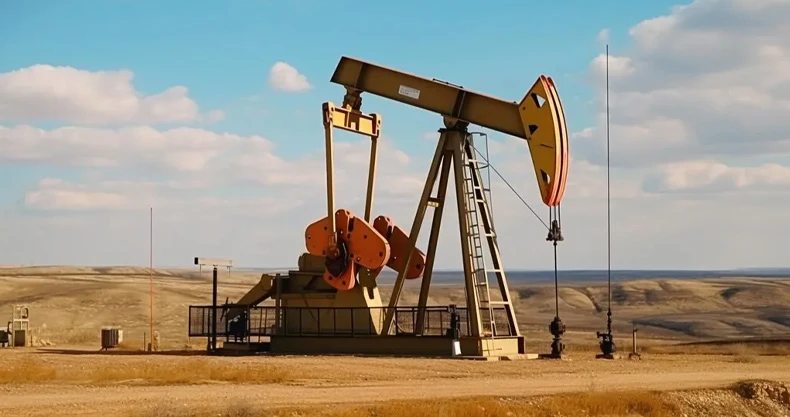
Performance of SS seamless pipe is dictated by a complex interplay of factors. Force analysis, particularly in high-pressure applications, requires careful consideration of hoop stress and longitudinal stress. Hoop stress, the force acting circumferentially, is particularly critical in preventing burst failures. Wall thickness is directly proportional to the pipe's ability to withstand internal pressure, governed by the Barlow's formula: P = (2St)/D, where P is internal pressure, S is allowable stress, t is wall thickness, and D is outer diameter. Environmental resistance is paramount. Corrosion resistance is determined by the alloy’s composition, with molybdenum additions enhancing resistance to pitting corrosion in chloride environments. High-temperature applications necessitate consideration of creep resistance, the tendency of the material to deform plastically under sustained stress at elevated temperatures. Compliance requirements vary depending on the application and geographical location. ASME B31.3 addresses pressure piping, while ASTM A312 specifies requirements for seamless stainless steel pipe. Functional implementation often involves welding, requiring careful selection of welding procedures and filler materials to maintain corrosion resistance and mechanical integrity.
Technical Specifications
| Material Grade | Outer Diameter (mm) | Wall Thickness (mm) | Yield Strength (MPa) |
|---|---|---|---|
| 304/304L | 10.2 | 2.0 | 205 |
| 316/316L | 50.8 | 3.0 | 245 |
| 410 | 21.3 | 4.0 | 275 |
| Duplex (2205) | 114.3 | 5.0 | 450 |
| 316H | 76.2 | 6.0 | 260 |
| 904L | 152.4 | 8.0 | 280 |
Failure Mode & Maintenance
Failure modes in SS seamless pipe are diverse. Corrosion, particularly pitting and crevice corrosion, is a prevalent issue, especially in chloride-rich environments. Stress corrosion cracking (SCC) can occur under tensile stress in specific corrosive environments. Fatigue cracking, resulting from cyclic loading, can initiate at surface defects or weld seams. Erosion corrosion, caused by the impact of abrasive particles, is common in fluid transport applications. Oxidation at high temperatures can lead to scaling and material degradation. Delamination, a separation of layers within the pipe wall, can occur due to poor manufacturing processes or material defects.
Preventative maintenance is crucial. Regular inspection using NDT methods (ultrasonic testing, eddy current testing) can detect early signs of corrosion or cracking. Proper cleaning and surface treatment can mitigate corrosion risks. Adherence to appropriate operating temperatures and pressures prevents exceeding material limits. Cathodic protection, employing sacrificial anodes or impressed current, can protect against corrosion in underground or submerged applications. Internal coatings can provide a barrier against corrosive fluids. For damaged pipes, repair welding, performed by certified welders using appropriate procedures and filler materials, may be feasible, but requires thorough inspection to ensure integrity.
Industry FAQ
Q: What is the impact of molybdenum content on the corrosion resistance of 316/316L stainless steel?
A: Increasing molybdenum content significantly enhances resistance to pitting and crevice corrosion, particularly in chloride-containing environments. Molybdenum promotes the formation of a more stable passive film, protecting the underlying metal from corrosion. 316L, with its lower carbon content, improves weldability and reduces the risk of carbide precipitation, further enhancing corrosion resistance in welded structures.
Q: How does annealing affect the mechanical properties of stainless steel seamless pipe?
A: Annealing, a heat treatment process, softens the steel, increases ductility, and relieves internal stresses. While it reduces yield and tensile strength, it improves formability and reduces the risk of stress corrosion cracking. The specific annealing temperature and cooling rate are critical for achieving the desired properties.
Q: What are the key differences between ASTM A312 and ASTM A213 regarding seamless stainless steel pipe?
A: ASTM A312 covers seamless stainless steel pipe for general use, focusing on chemical composition and mechanical properties. ASTM A213 specifically addresses seamless stainless steel boiler tubes, with stricter requirements for pressure tightness and uniformity of wall thickness due to the critical nature of boiler applications.
Q: Can seamless stainless steel pipe be used for sour service applications (containing H2S)?
A: Yes, but careful material selection is critical. Alloys like 316L, 317L, and duplex stainless steels (e.g., 2205) with controlled sulfur content are often specified. The concentration of H2S, temperature, and pressure dictate the specific alloy requirement. Furthermore, adherence to NACE MR0175/ISO 15156 standards is essential for material selection and fabrication.
Q: What are the limitations of using non-destructive testing (NDT) methods for detecting flaws in seamless pipes?
A: Each NDT method has limitations. Ultrasonic testing may struggle with detecting small, tightly oriented flaws. Eddy current testing is primarily surface sensitive. Radiographic testing can be costly and require access to both sides of the pipe. Proper calibration, skilled technicians, and a combination of NDT methods are crucial for reliable flaw detection.
Conclusion
SS seamless pipe remains a cornerstone material in demanding industrial applications due to its inherent strength, corrosion resistance, and reliability. Understanding the intricacies of material science, manufacturing processes, performance characteristics, and potential failure modes is vital for ensuring optimal selection, installation, and maintenance. The continuous evolution of stainless steel alloys and manufacturing techniques, coupled with stringent adherence to international standards, will drive further improvements in performance and longevity.
Future trends in SS seamless pipe technology include the development of more advanced alloys with enhanced corrosion resistance and higher strength-to-weight ratios, the implementation of advanced manufacturing techniques such as additive manufacturing, and the increased use of digital technologies for predictive maintenance and asset integrity management. Proactive materials management and informed engineering decisions are crucial for maximizing the life cycle cost-effectiveness of SS seamless pipe systems.
