

Introduction
1 7/8 inch galvanized pipe, commonly utilized within plumbing, structural applications, and fluid transport systems, represents a critical component in numerous industrial and commercial settings. Its technical position within the industry chain resides as a finished product derived from steel manufacturing, galvanization processes, and precision sizing. Galvanization, the application of a protective zinc coating, is paramount to the pipe's corrosion resistance, extending its service life in demanding environments. Core performance characteristics center around its pressure-bearing capacity, structural integrity under load, and resistance to chemical and environmental degradation. Understanding these elements is crucial for engineers, procurement managers, and maintenance personnel tasked with ensuring the safe and reliable operation of systems employing this piping material. The selection of 1 7/8” diameter is often dictated by flow rate requirements, compatibility with existing infrastructure, and standardized fitting availability. This guide provides an in-depth technical overview of the material science, manufacturing processes, performance parameters, potential failure modes, and relevant industry standards associated with 1 7/8 galvanized pipe.
Material Science & Manufacturing
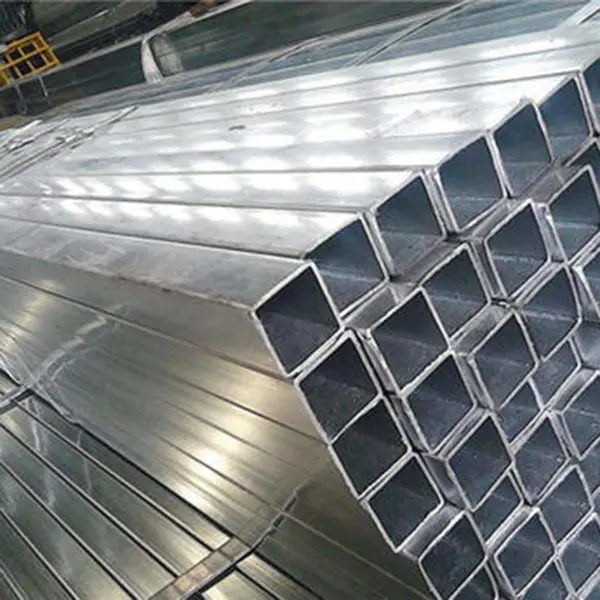
The fundamental material of 1 7/8 galvanized pipe is typically carbon steel, often conforming to ASTM A53 Grade B or similar specifications. The carbon content generally ranges from 0.05% to 0.25%, influencing the steel’s weldability and ductility. Raw material selection is critical; impurities like sulfur and phosphorus must be minimized to prevent embrittlement. Manufacturing commences with the production of seamless or welded steel pipe. Seamless pipe is created through processes like extrusion or piercing of solid billets, resulting in a homogenous structure with superior pressure-bearing capabilities. Welded pipe, conversely, is formed by rolling steel plates and subsequently welding the seam, requiring stringent quality control to ensure weld integrity. Following pipe formation, the galvanization process is undertaken. This typically involves hot-dip galvanization, where the steel pipe is immersed in a bath of molten zinc. The zinc metallurgically bonds with the steel, creating a protective layer. This process is governed by ASTM A123. Key parameters during galvanization include bath temperature (approximately 830-860°F), immersion time, and steel surface preparation (pickling and fluxing to remove oxides). The resulting zinc coating thickness is a crucial performance factor, typically ranging from 0.002 to 0.006 inches, dictating the level of corrosion protection. Post-galvanization inspection includes coating thickness measurements, visual assessments for defects (e.g., bare spots, drips), and adhesion tests. Precise control of cooling rates post-galvanization is necessary to minimize the formation of brittle intermetallic layers, which can compromise coating durability.
Performance & Engineering
The performance of 1 7/8 galvanized pipe is dictated by its mechanical strength, corrosion resistance, and ability to withstand internal pressure. Force analysis, crucial for structural applications, relies on understanding the pipe’s yield strength (typically around 36,000 psi for A53 Grade B steel), tensile strength (approximately 58,000 psi), and modulus of elasticity (29,000,000 psi). The pipe's wall thickness directly impacts its ability to withstand internal pressure; thinner walls are suitable for low-pressure applications, while thicker walls are required for higher pressures, calculated using Barlow's formula (P = 2St/D, where P is pressure, S is tensile strength, t is wall thickness, and D is diameter). Environmental resistance is primarily conferred by the zinc coating. Zinc acts as a sacrificial anode, corroding preferentially to the underlying steel, providing cathodic protection. However, this protection diminishes over time, particularly in aggressive environments (e.g., high chloride concentrations, acidic conditions). Compliance requirements vary depending on the application. Plumbing applications must adhere to codes like the Uniform Plumbing Code (UPC) and the International Plumbing Code (IPC), which specify material standards, installation procedures, and testing requirements. Structural applications are governed by building codes (e.g., IBC) and relevant engineering design standards (e.g., AISC). Galvanized pipe's thermal expansion coefficient (approximately 6.5 x 10^-6 /°F) must be considered in design to prevent stresses caused by temperature fluctuations, utilizing expansion loops or flexible connections where necessary. The impact loading resistance must be determined through finite element analysis for applications exposed to dynamic forces.
Technical Specifications
| Nominal Pipe Size (inches) | Outside Diameter (inches) | Wall Thickness (inches) | Minimum Yield Strength (psi) |
|---|---|---|---|
| 1 7/8 | 2.375 | 0.154 | 36,000 |
| 1 7/8 | 2.375 | 0.188 | 36,000 |
| 1 7/8 | 2.375 | 0.218 | 36,000 |
| 1 7/8 | 2.375 | 0.250 | 36,000 |
| 1 7/8 | 2.375 | Schedule 40 | 58,000 |
| 1 7/8 | 2.375 | Schedule 80 | 58,000 |
Failure Mode & Maintenance
Common failure modes in 1 7/8 galvanized pipe include corrosion-induced failure, mechanical failure due to overpressure or impact, and thread degradation. Uniform corrosion occurs when the zinc coating is depleted, exposing the steel to the environment. Localized corrosion, such as pitting and crevice corrosion, can occur in areas with imperfections in the galvanization or in the presence of contaminants. Galvanic corrosion can arise when the galvanized pipe is connected to dissimilar metals in a conductive environment. Fatigue cracking can initiate at stress concentrations (e.g., welds, threads) under cyclical loading. Thread degradation occurs due to corrosion, wear, and improper tightening. Maintenance strategies include regular visual inspections for signs of corrosion (rust, blisters, white rust), application of protective coatings to damaged areas, and periodic pressure testing to detect leaks. For threaded connections, apply thread sealant compatible with galvanized steel to prevent galvanic corrosion and ensure a watertight seal. Avoid using abrasive cleaners that can remove the zinc coating. In aggressive environments, consider implementing cathodic protection systems or switching to alternative piping materials with superior corrosion resistance. Proper support and anchoring of the pipe are vital to prevent excessive stress and bending, minimizing the risk of fatigue failure. Regularly check for and address any signs of leakage to prevent further corrosion and structural damage.
Industry FAQ
Q: What is the impact of chloride exposure on the lifespan of galvanized pipe?
A: Chloride ions, commonly found in marine environments or de-icing salts, significantly accelerate the corrosion rate of galvanized steel. Chlorides penetrate the zinc coating, creating localized corrosion cells and reducing the effectiveness of the sacrificial protection. The lifespan can be reduced by several orders of magnitude depending on chloride concentration and exposure duration. Mitigation strategies include using thicker galvanization coatings, applying protective organic coatings over the galvanized layer, or utilizing alternative materials like stainless steel or plastics.
Q: How does welding affect the corrosion resistance of galvanized pipe?
A: Welding destroys the zinc coating in the heat-affected zone, leaving bare steel susceptible to corrosion. Post-weld galvanization, using methods like zinc-rich paint or localized hot-dip galvanization, is essential to restore the protective coating. However, achieving consistent adhesion and coating thickness in the weld area can be challenging. Alternative joining methods, such as mechanical fittings, should be considered whenever possible to avoid compromising the corrosion resistance.
Q: What are the differences between Schedule 40 and Schedule 80 galvanized pipe in terms of pressure capacity?
A: Schedule 80 pipe has a thicker wall thickness than Schedule 40 pipe of the same nominal diameter. This increased wall thickness translates directly into a higher pressure-bearing capacity. Schedule 80 pipe can withstand significantly higher internal pressures and external loads compared to Schedule 40. The specific pressure rating depends on the steel grade and temperature, but Schedule 80 is typically preferred for high-pressure applications or where greater structural integrity is required.
Q: Is galvanized pipe suitable for potable water systems?
A: Galvanized pipe was historically used extensively in potable water systems; however, its use is now often restricted or discouraged in many jurisdictions due to concerns about lead content in the galvanization process and the potential for zinc leaching into the water. Lead-free galvanized pipe is available but often more expensive. Alternative materials like copper, CPVC, and PEX are generally preferred for potable water applications due to their superior health and safety profiles.
Q: What are the common causes of thread failures in galvanized pipe connections?
A: Common causes of thread failures include over-tightening, cross-threading, corrosion, and improper thread sealant application. Over-tightening can strip the threads, while cross-threading damages the threads during assembly. Corrosion weakens the threads, making them prone to failure under stress. Using an incompatible thread sealant can promote galvanic corrosion. Employing proper assembly techniques, using a compatible thread sealant, and avoiding excessive torque are crucial for preventing thread failures.
Conclusion
1 7/8 inch galvanized pipe remains a versatile and cost-effective piping solution for a range of applications, but its long-term performance is intrinsically linked to a thorough understanding of its material properties, manufacturing processes, and potential failure modes. The efficacy of the zinc coating as a corrosion barrier is central to its durability, and careful consideration must be given to environmental factors and application-specific requirements. Proper installation techniques, utilizing compatible fittings and sealants, coupled with regular inspection and maintenance, are essential for maximizing the service life and ensuring the safe operation of systems employing this piping material.
Looking forward, advancements in galvanization technologies, such as zinc-nickel alloys and enhanced coating processes, are offering improved corrosion resistance. Furthermore, the increasing focus on sustainability and material lifecycle analysis is driving a trend towards selecting materials with extended service lives and reduced maintenance requirements. While galvanized pipe continues to serve a significant role in various industries, engineers and procurement professionals must remain informed about emerging alternatives and best practices to optimize system performance and minimize long-term costs.
