
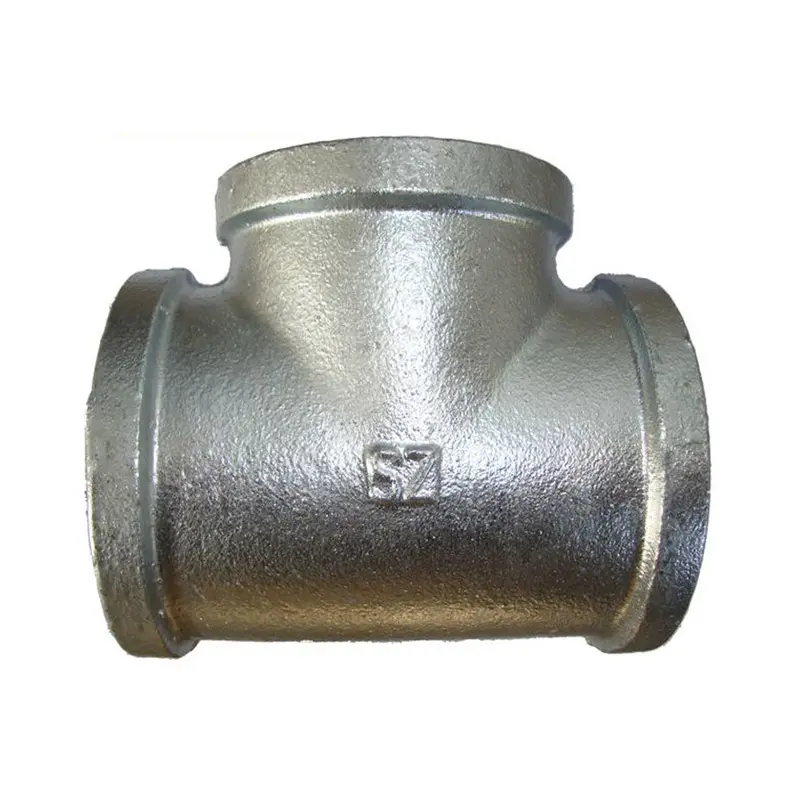
Introduction
1.75 OD (Outer Diameter) pipe, typically manufactured from carbon steel, stainless steel, or plastic polymers, represents a standardized dimension frequently utilized in fluid transfer systems across diverse industries including oil & gas, petrochemical, water treatment, and HVAC. Within the industrial piping ecosystem, it functions as a core component connecting various process equipment, instrumentation, and control valves. Its prevalence stems from a balance of cost-effectiveness, readily available manufacturing capabilities, and compatibility with standard fittings. Core performance characteristics of 1.75 OD pipe are defined by its pressure rating, material composition affecting corrosion resistance, dimensional accuracy dictated by manufacturing tolerances, and surface finish influencing flow characteristics. A key industry pain point is maintaining consistent dimensional accuracy during fabrication and welding, crucial for preventing leaks and ensuring system integrity. Another challenge lies in selecting the appropriate material grade to withstand specific operating conditions, particularly concerning temperature, pressure, and fluid compatibility. Finally, long-term reliability is paramount, necessitating robust corrosion prevention strategies and adherence to stringent quality control procedures.
Material Science & Manufacturing
The selection of raw materials for 1.75 OD pipe is primarily governed by the intended application and operating environment. Carbon steel (ASTM A53 Grade B, API 5L X42) is common due to its strength and cost-effectiveness, though susceptible to corrosion. Stainless steel (304/304L, 316/316L – ASTM A312) offers superior corrosion resistance, crucial for handling aggressive fluids. Polyvinyl Chloride (PVC – ASTM D1785) and Chlorinated Polyvinyl Chloride (CPVC – ASTM D1785) are often used in low-pressure, non-critical applications due to their chemical resistance and low cost. Manufacturing processes vary depending on the material. Steel pipe is typically produced through seamless extrusion or welded fabrication. Seamless pipe, created by piercing a solid billet, offers higher strength and pressure ratings. Welded pipe, utilizing Electric Resistance Welding (ERW) or submerged arc welding (SAW), provides cost advantages but requires rigorous inspection of weld integrity. Plastic pipe is primarily manufactured through extrusion, where molten polymer is forced through a die to form a continuous tube. Key parameter control includes precise temperature regulation during extrusion to prevent material degradation and dimensional inconsistencies, wall thickness monitoring to ensure pressure rating compliance, and heat treatment for steel pipe to relieve residual stresses. Welding parameters (current, voltage, travel speed) are critical for achieving optimal weld penetration and minimizing defects. Surface preparation (cleaning, degreasing) prior to welding is also vital for ensuring weld quality.

Performance & Engineering
Performance of 1.75 OD pipe is largely dictated by its ability to withstand internal pressure, external loads, and environmental stressors. Force analysis involves calculating hoop stress (resulting from internal pressure) and longitudinal stress (due to axial loads). The Barlow's formula (σ = PD/2t, where σ is stress, P is pressure, D is diameter, and t is wall thickness) is fundamental in determining the required wall thickness for a given pressure rating. Environmental resistance is crucial, particularly in corrosive environments. Galvanic corrosion, occurring when dissimilar metals are in contact, must be considered, and appropriate mitigation strategies (e.g., dielectric unions) implemented. Temperature fluctuations induce thermal expansion and contraction, necessitating the use of expansion loops or flexible connectors to prevent stress on the pipe and connected equipment. Compliance requirements vary by industry and region. ASME B31.3 covers power piping, ASME B31.1 covers gas transmission and distribution, and ASTM standards define material specifications and testing procedures. Functional implementation requires careful consideration of flow velocity to minimize erosion and pressure drop. Proper support structures are essential to prevent sagging, bending, and undue stress on the pipe, and finite element analysis (FEA) is often employed to optimize support locations and minimize structural vulnerability.
Technical Specifications
| Parameter | Carbon Steel (A53 Gr. B) | Stainless Steel (304/304L) | PVC Schedule 40 | CPVC Schedule 40 |
|---|---|---|---|---|
| Outer Diameter (OD) | 1.75 in | 1.75 in | 1.75 in | 1.75 in |
| Wall Thickness (Typical) | 0.154 in (Schedule 40) | 0.065 in (Schedule 40) | 0.218 in (Schedule 40) | 0.218 in (Schedule 40) |
| Pressure Rating (at 73°F) | 600 psi | 450 psi | 400 psi | 300 psi |
| Tensile Strength | 70,000 psi | 75,000 psi | 6,800 psi | 6,500 psi |
| Yield Strength | 36,000 psi | 30,000 psi | 5,800 psi | 5,500 psi |
| Corrosion Resistance | Low (Requires coating) | Excellent | Good (Chemical Resistance) | Very Good (Higher Temp Resistance) |
Failure Mode & Maintenance
Common failure modes for 1.75 OD pipe include corrosion (pitting, crevice, galvanic), fatigue cracking (due to cyclic loading), erosion (caused by abrasive fluids), and weld defects (porosity, lack of fusion). Corrosion is a primary concern, particularly in carbon steel pipe, and can lead to leaks and catastrophic failure. Fatigue cracking typically initiates at stress concentration points (e.g., welds, fittings) and propagates under cyclic loading. Erosion occurs in high-velocity fluid streams, gradually wearing away the pipe wall. Weld defects can compromise the structural integrity of the pipe. Maintenance strategies involve regular inspection (visual, ultrasonic testing, radiographic testing) to detect defects and corrosion. Protective coatings (epoxy, polyurethane) can mitigate corrosion in carbon steel pipe. Cathodic protection can also be employed. Preventive maintenance includes implementing a corrosion monitoring program, performing regular hydrostatic testing to verify pressure rating, and ensuring proper support structures are in place. For plastic pipe, UV exposure can cause degradation, necessitating the use of UV-resistant materials or protective coverings. In the event of a leak, immediate repair or replacement is essential. Proper documentation of inspection and maintenance activities is crucial for tracking pipe integrity and ensuring long-term reliability.
Industry FAQ
Q: What are the key differences between Schedule 40 and Schedule 80 pipe in terms of pressure capacity and cost?
A: Schedule 80 pipe possesses a thicker wall thickness compared to Schedule 40 pipe of the same OD. This increased wall thickness directly translates to a significantly higher pressure rating – typically around 30-50% higher. However, this enhanced pressure capacity comes at a cost. Schedule 80 pipe is more expensive due to the greater material required for manufacturing. The selection depends on the specific application and the required pressure containment level. For lower pressure applications, Schedule 40 offers a cost-effective solution, while Schedule 80 is preferred for higher pressure, more demanding environments.
Q: How does the choice of welding process (ERW vs. SAW) affect the long-term reliability of welded steel pipe?
A: ERW (Electric Resistance Welding) is a faster and more cost-effective process, but can potentially introduce weld defects if not carefully controlled. SAW (Submerged Arc Welding) generally produces welds with superior mechanical properties and fewer defects due to the shielding provided by the flux. However, SAW is a slower process and typically used for thicker-walled pipe. The long-term reliability depends heavily on the quality control measures implemented during and after welding, including non-destructive testing (NDT) like radiography and ultrasonic testing, regardless of the process used.
Q: What considerations are necessary when joining dissimilar metals (e.g., steel pipe to aluminum fittings)?
A: Joining dissimilar metals creates a galvanic cell, accelerating corrosion at the interface. Several factors must be addressed: selection of compatible filler metals to minimize the electrochemical potential difference, use of dielectric unions or insulating sleeves to electrically isolate the metals, and application of protective coatings to the joint area. Careful consideration of the operating environment and potential for corrosion is essential to prevent premature failure.
Q: What is the impact of fluid velocity on the lifespan of 1.75 OD pipe, and how can erosion be mitigated?
A: High fluid velocity can cause erosion, particularly when the fluid contains abrasive particles. Erosion gradually wears away the pipe wall, reducing its wall thickness and pressure capacity. Mitigation strategies include reducing fluid velocity by increasing pipe diameter, using erosion-resistant materials (e.g., hardened steel, ceramic linings), incorporating flow diverters or impingement plates to reduce direct impact, and filtering the fluid to remove abrasive particles.
Q: What are the implications of exceeding the specified temperature range for a particular pipe material?
A: Exceeding the specified temperature range can significantly degrade the mechanical properties of the pipe material. For steel pipe, high temperatures can reduce yield strength and creep resistance. For plastic pipe, excessive temperatures can lead to softening, deformation, and loss of pressure rating. It is crucial to select a material that is appropriate for the operating temperature and to adhere to the manufacturer's specifications to ensure long-term reliability.
Conclusion
1.75 OD pipe, a fundamental element in numerous industrial applications, demands careful consideration of material selection, manufacturing processes, and operational parameters. Maintaining structural integrity and preventing premature failure necessitates a thorough understanding of material science principles, force analysis, and potential failure modes. A holistic approach encompassing rigorous quality control, proactive maintenance, and adherence to relevant industry standards is paramount to ensuring reliable and long-lasting performance.
Ultimately, the optimal utilization of 1.75 OD pipe hinges on a detailed engineering assessment of the specific application requirements and a commitment to best practices throughout the entire lifecycle – from material procurement and fabrication to installation, operation, and maintenance. Future developments in materials science and non-destructive testing techniques will continue to enhance the reliability and longevity of these critical components.
