
Introduction
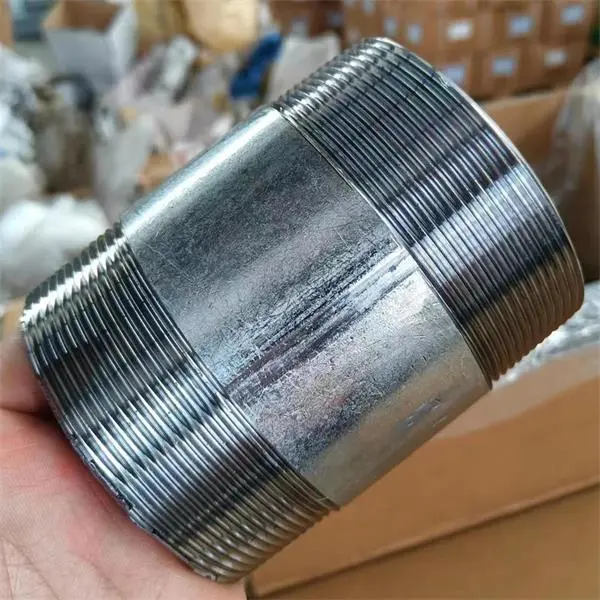
1-inch Schedule 40 galvanized steel pipe, 10 feet in length, is a foundational component in numerous fluid transfer systems across diverse industries. Galvanized steel pipe refers to carbon steel pipe that has been hot-dip galvanized, a process of coating the steel with zinc to enhance corrosion resistance. Its primary applications span plumbing, fire protection, structural support, and industrial piping. Positioned within the supply chain, it follows steel billet production, forming, galvanization, threading/finishing, and ultimately distribution to construction, manufacturing, and infrastructure projects. Core performance characteristics center around its pressure handling capabilities, resistance to corrosion, and mechanical strength, making it a cost-effective and durable solution where non-potable water or other non-aggressive fluids are conveyed. The industry faces consistent challenges related to ensuring consistent zinc coating thickness, preventing white rust formation during storage and transport, and meeting evolving regulations concerning lead content in potable water systems where galvanized pipe is still utilized.
Material Science & Manufacturing
The foundational material is low-carbon steel, typically ASTM A53 Grade B, with a chemical composition of approximately 0.25-0.32% carbon, 0.05% maximum phosphorus, 0.04% maximum sulfur, and balance iron. The manufacturing process begins with seamless or welded steel pipe production. Seamless pipe is created by piercing a solid billet of steel, while welded pipe is formed by rolling steel plates and then welding the seam. Following pipe formation, the crucial galvanization step occurs. Hot-dip galvanizing involves immersing the steel pipe in a molten zinc bath (typically 98% pure zinc) at around 840°F (450°C). This creates a metallurgical bond between the zinc and the underlying steel, forming a series of zinc-iron alloy layers followed by an outer layer of pure zinc. Key parameters during galvanization include steel surface preparation (pickling to remove mill scale and rust), bath temperature control, immersion time, and cooling rates. Post-galvanization, pipes are typically threaded or grooved for joining, inspected for coating defects (e.g., bare spots, blisters), and coated with a protective oil to prevent white rust formation during storage. Control of the silicon content in the steel is vital to ensure good zinc adhesion. The thickness of the zinc coating is a critical parameter, generally specified in terms of coating weight (e.g., zinc coating weight of 1.2 oz/ft² minimum) or coating thickness (e.g., 0.002 inches minimum).
Performance & Engineering
The performance of 1-inch galvanized pipe is dictated by its mechanical properties and environmental resistance. Tensile strength typically ranges from 58,000 to 80,000 psi, with a yield strength of approximately 36,000 psi. These values are dependent on the steel grade used. The pipe’s ability to withstand internal pressure is governed by Barlow’s Formula: P = (2S t) / D, where P is internal pressure, S is tensile strength, t is wall thickness (Schedule 40 pipe has a wall thickness of 0.154 inches for 1-inch nominal pipe size), and D is the outside diameter. Environmental resistance is primarily provided by the zinc coating, which acts as a barrier and sacrificial anode. Zinc corrodes preferentially to the steel, protecting the underlying base metal. However, the effectiveness of this protection decreases in environments with high chloride concentrations or prolonged exposure to acidic conditions. Galvanized pipe's performance is also affected by temperature; elevated temperatures can accelerate corrosion rates. Compliance requirements vary by region but often include adherence to standards related to potable water safety (NSF/ANSI 61), structural integrity (ASTM A53, ASTM A120), and coating quality (ASTM A153). Joint design, using threaded connections or welded joints, is critical to ensure leak-free performance and structural stability. Proper joint preparation and torque application are paramount.
Technical Specifications
| Parameter | Value (Typical) | Testing Standard | Unit |
|---|---|---|---|
| Nominal Pipe Size | 1 inch | ASTM A53 | inch |
| Schedule | 40 | ASTM A53 | - |
| Outside Diameter | 1.315 | ASTM A53 | inch |
| Wall Thickness | 0.154 | ASTM A53 | inch |
| Minimum Tensile Strength | 58,000 | ASTM A53 | psi |
| Minimum Yield Strength | 36,000 | ASTM A53 | psi |
| Zinc Coating Weight (Minimum) | 1.2 | ASTM A153 | oz/ft² |
| Maximum Operating Pressure | 350 | Calculated (Barlow's Formula) | psi |
Failure Mode & Maintenance
Common failure modes in 1-inch galvanized pipe include corrosion (leading to pitting and perforation), thread stripping during assembly/disassembly, and mechanical damage from external impact. Corrosion primarily manifests as localized attack due to imperfections in the zinc coating or exposure to corrosive environments. White rust (zinc corrosion product) can form during storage, particularly in humid conditions. Galvanic corrosion can occur when galvanized pipe is connected to dissimilar metals in the presence of an electrolyte. Fatigue cracking can occur under cyclic loading conditions, especially at joints. Delamination of the zinc coating can occur due to poor surface preparation prior to galvanization. Maintenance strategies include regular visual inspection for signs of corrosion or damage, periodic application of protective coatings (e.g., zinc-rich paints) to areas where the zinc coating has been compromised, and proper torqueing of threaded connections to prevent stripping. Internal cleaning to remove sediment buildup can also help prevent corrosion. For systems carrying potable water, regular flushing is recommended to remove scale and sediment. In cases of significant corrosion, replacement of the affected pipe section is the most reliable solution. Avoid using abrasive cleaners that can damage the zinc coating.
Industry FAQ
Q: What is the primary difference between Schedule 40 and Schedule 80 galvanized pipe in terms of application suitability?
A: Schedule 80 pipe has a thicker wall thickness than Schedule 40, resulting in a higher pressure rating and increased resistance to physical damage. Schedule 40 is typically adequate for general plumbing and low-pressure applications, while Schedule 80 is preferred for high-pressure systems, structural applications, or environments where impact resistance is critical. The increased wall thickness of Schedule 80 also provides a greater margin of safety in corrosive environments.
Q: How does the presence of chlorides in the operating environment affect the lifespan of galvanized pipe?
A: Chlorides significantly accelerate the corrosion rate of galvanized steel. Chloride ions penetrate the zinc coating and promote localized corrosion, leading to pitting and eventual failure. In marine environments or areas with high road salt usage, the lifespan of galvanized pipe can be substantially reduced. Consider using alternative materials like stainless steel or plastic (PVC, CPVC) in such applications.
Q: What are the implications of lead content in galvanized pipe concerning potable water systems?
A: Historically, lead was used as an alloying element in some galvanized pipe formulations. While modern galvanizing processes minimize lead content, residual lead can leach into potable water, posing a health risk. Regulations (e.g., EPA Lead and Copper Rule) limit permissible lead levels in drinking water. In many jurisdictions, the use of lead-containing galvanized pipe in potable water systems is restricted or prohibited.
Q: What is the best method for joining 1-inch galvanized pipe to ensure a leak-proof seal?
A: Threaded connections are the most common method. Proper threading, using a calibrated threading tool, is essential. Apply a thread sealant specifically designed for galvanized pipe (e.g., Teflon tape or pipe dope) to the male threads. Tighten the connection using a pipe wrench, applying sufficient torque to create a seal, but avoid overtightening, which can strip the threads. Consider using dielectric unions when connecting galvanized pipe to dissimilar metals.
Q: How can white rust formation be prevented during the storage and transport of galvanized pipe?
A: White rust is a corrosion product that forms when galvanized steel is exposed to moisture. To prevent it, ensure the pipe is stored in a dry, well-ventilated area. Apply a protective oil coating to the surface to create a barrier against moisture. During transport, protect the pipe from rain and condensation. Avoid stacking pipe directly on the ground; use pallets to provide air circulation.
Conclusion
1-inch galvanized steel pipe, 10 feet in length, remains a vital component in various industrial and construction applications due to its cost-effectiveness, mechanical strength, and inherent corrosion resistance. Understanding the underlying material science, manufacturing processes, and potential failure modes is crucial for ensuring long-term performance and reliability. Proper selection of pipe schedule, diligent maintenance practices, and adherence to relevant industry standards are essential for mitigating corrosion risks and maximizing the service life of galvanized pipe systems.
However, the increasing focus on water quality regulations and the availability of alternative materials are driving a shift towards non-metallic piping systems in certain applications. Continuous advancements in coating technologies and corrosion inhibitors may help extend the lifespan of galvanized pipe, but a comprehensive assessment of specific application requirements and environmental factors is crucial when selecting the most appropriate piping material.
