
Introduction
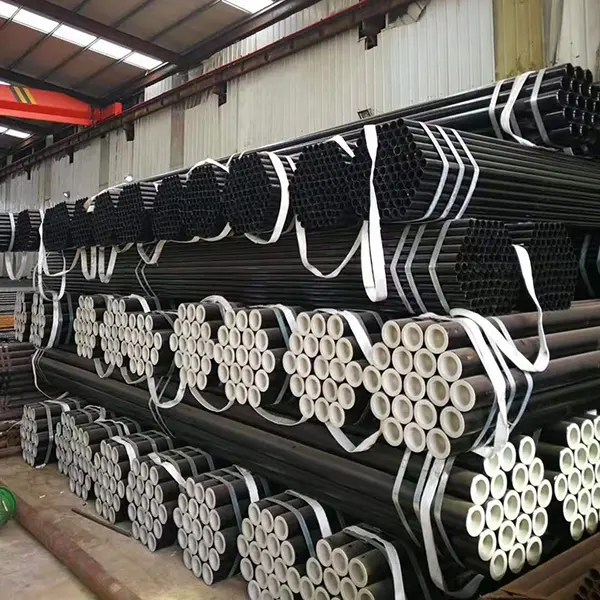
One-inch outer diameter (OD) pipe represents a foundational component across numerous industrial sectors, including fluid transfer, structural support, and process piping. Its widespread adoption stems from a balance between internal flow capacity, structural integrity, and cost-effectiveness. Typically manufactured from carbon steel, stainless steel, or various polymers, this pipe size adheres to standardized dimensions dictated by ANSI/ASME standards (B36.10M for steel pipes, for example). Understanding the material science, manufacturing processes, performance characteristics, potential failure modes, and relevant standards is crucial for ensuring system reliability and safety. Core industry pain points revolve around corrosion, erosion, pressure containment, and material traceability, demanding rigorous quality control throughout the lifecycle of these components. This guide provides an in-depth technical overview of 1-inch OD pipe, addressing these critical considerations for engineers, procurement professionals, and maintenance personnel.
Material Science & Manufacturing
The material selection for 1-inch OD pipe significantly impacts its performance. Carbon steel (e.g., A53 Grade B, A106 Grade B) provides high strength and weldability, making it suitable for high-pressure applications. However, it’s susceptible to corrosion. Stainless steel (e.g., 304/304L, 316/316L) offers superior corrosion resistance, crucial for handling corrosive fluids or environments. Polymer pipes (e.g., PVC, CPVC, HDPE, PP) are used in low-pressure applications demanding chemical resistance and lightweight construction. Manufacturing typically involves seamless or welded processes. Seamless pipe is extruded and subsequently drawn to achieve the desired dimensions, resulting in a uniform structure and higher pressure rating. Welded pipe is formed from steel plates rolled and welded longitudinally, often followed by heat treatment to refine the weld zone’s properties. Key parameters controlled during manufacturing include wall thickness, OD tolerances, ovality, and straightness. Non-destructive testing (NDT), such as ultrasonic testing (UT) and radiographic testing (RT), are employed to detect defects in the weld seam or within the material. Polymer pipes are manufactured through extrusion, where molten polymer is forced through a die to create the pipe shape. Controlling melt temperature, die pressure, and cooling rate are vital for achieving consistent dimensions and mechanical properties. Chemical compatibility testing is essential to ensure the pipe material will not degrade or leach contaminants into the transported fluid.
Performance & Engineering
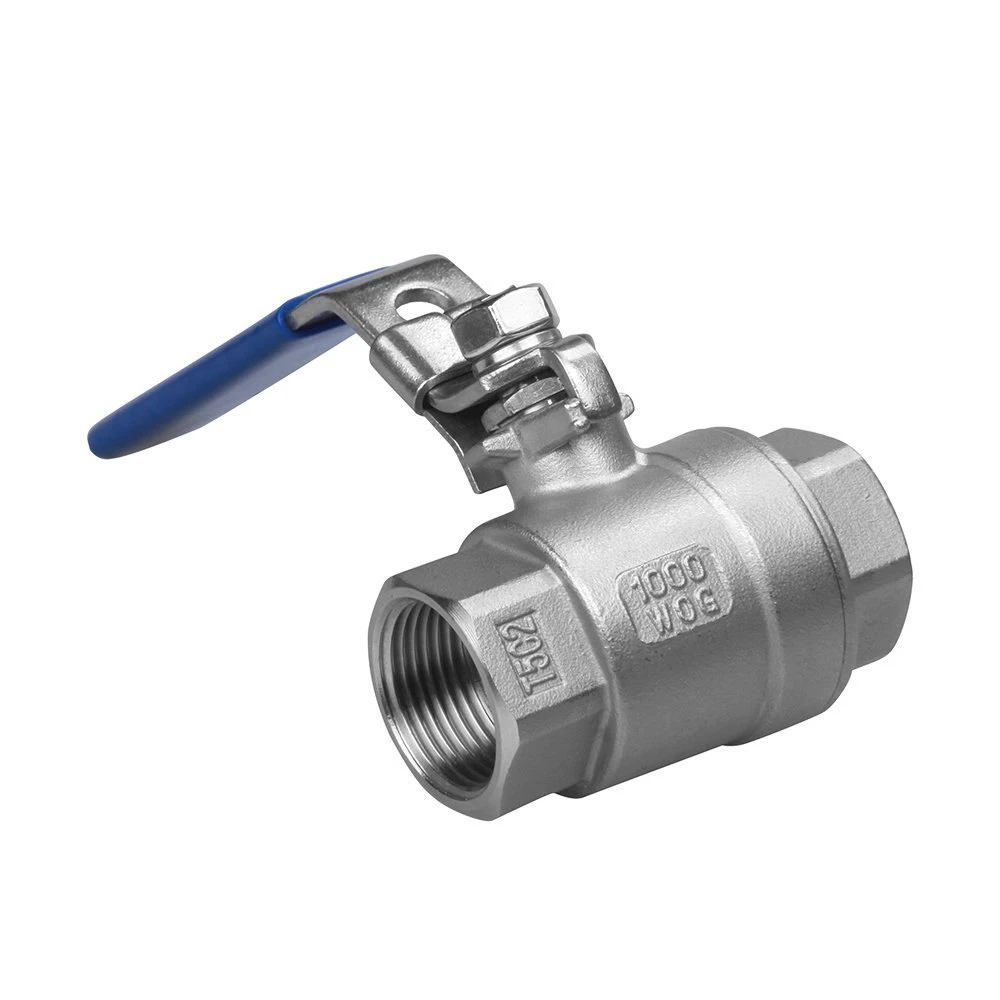
The performance of 1-inch OD pipe is dictated by its ability to withstand internal pressure, external loads, and environmental stressors. Hydrostatic testing is a standard method to verify pressure containment, typically conducted at 1.5 times the design pressure. Force analysis, including hoop stress and longitudinal stress, is crucial for determining the safe operating pressure and wall thickness required for a specific application. Environmental resistance considerations include corrosion (uniform, pitting, galvanic), erosion (caused by abrasive particles in the fluid stream), and temperature extremes. For corrosive environments, material selection and protective coatings (e.g., epoxy, polyurethane) are critical. For elevated temperatures, creep resistance and thermal expansion must be accounted for. Compliance requirements vary depending on the industry and application. For example, ASME B31.3 covers process piping, while API 5L specifies requirements for line pipe used in the oil and gas industry. Functional implementation details involve proper joining methods. Threaded connections require appropriate thread sealant to prevent leaks. Welded connections demand qualified welders and adherence to welding procedures (WPS) to ensure joint integrity. Flanged connections offer ease of disassembly for maintenance but require proper gasket selection to achieve a reliable seal. Support structures must be designed to prevent excessive bending and vibration, minimizing stress on the pipe.
Technical Specifications
| Parameter | Carbon Steel (A53 Grade B) | Stainless Steel (304/304L) | PVC (Schedule 40) | HDPE (SDR 17) |
|---|---|---|---|---|
| Nominal Pipe Size (NPS) | 1 inch | 1 inch | 1 inch | 1 inch |
| Outer Diameter (OD) | 1.660 inches | 1.660 inches | 1.680 inches | 1.664 inches |
| Wall Thickness (Typical) | 0.154 inches (Schedule 40) | 0.083 inches (Schedule 40) | 0.093 inches (Schedule 40) | 0.087 inches (SDR 17) |
| Minimum Yield Strength | 36,000 psi | 30,000 psi | N/A | 4000 psi |
| Maximum Operating Pressure (Approx.) | 600 psi | 450 psi | 400 psi | 200 psi |
| Temperature Range | -30°F to 450°F | -325°F to 650°F | -40°F to 140°F | -40°F to 180°F |
Failure Mode & Maintenance
Common failure modes for 1-inch OD pipe include corrosion-induced pitting and perforation, erosion due to abrasive fluids, fatigue cracking from cyclic loading, weld defects leading to crack propagation, and material degradation from UV exposure (for polymers). Corrosion is often localized, initiating at surface imperfections or weld seams. Erosion occurs at points of high flow velocity or impact. Fatigue cracking is a time-dependent process exacerbated by stress concentrators. Maintenance strategies include regular visual inspections for signs of corrosion or damage, hydrostatic testing to verify pressure integrity, and non-destructive testing (NDT) to detect subsurface defects. Protective coatings and cathodic protection can mitigate corrosion. Erosion can be reduced by optimizing flow velocity and using erosion-resistant materials. Welded joints should be periodically inspected for cracks. Polymer pipes require protection from UV exposure and mechanical damage. Scheduled replacement based on service life and operating conditions is crucial for preventing catastrophic failures. Proper documentation of inspections, repairs, and replacements is essential for maintaining a reliable asset management system. Implementing a corrosion monitoring program involving coupon testing or electrochemical measurements provides valuable data for predicting remaining service life.
Industry FAQ
Q: What is the impact of varying fluid temperatures on the allowable pressure rating of a carbon steel 1-inch OD pipe?
A: Elevated temperatures reduce the yield strength of carbon steel, thus lowering the allowable pressure rating. ASME B31.3 provides derating factors based on temperature. As temperature increases, the allowable stress decreases, necessitating a thicker wall or a lower operating pressure to maintain structural integrity. Conversely, lower temperatures generally increase the allowable pressure rating, but consideration must be given to the material’s ductile-to-brittle transition temperature.
Q: How does the weld quality affect the long-term reliability of welded 1-inch OD pipe, and what NDT methods are most effective?
A: Weld quality is paramount. Imperfections like porosity, slag inclusions, and incomplete fusion can act as stress concentrators and initiate crack propagation. The most effective NDT methods include Radiographic Testing (RT) for detecting volumetric flaws, Ultrasonic Testing (UT) for detecting subsurface defects, and Liquid Penetrant Testing (PT) for surface cracks. Compliance with WPS and proper welder qualification are crucial.
Q: What are the advantages and disadvantages of using PVC versus HDPE for a 1-inch OD pipe in a chemical processing application?
A: PVC offers excellent chemical resistance to many acids and bases, is relatively inexpensive, and easy to install. However, it has a lower temperature rating and is more susceptible to mechanical damage. HDPE exhibits superior impact resistance, flexibility, and a wider temperature range, making it suitable for demanding applications. However, it is more expensive than PVC and can be more challenging to join reliably.
Q: What are the typical corrosion mitigation strategies employed for 1-inch OD carbon steel pipe in a saltwater environment?
A: Common strategies include applying protective coatings (e.g., epoxy, polyurethane), implementing cathodic protection (sacrificial anodes or impressed current), and using corrosion inhibitors in the fluid stream. Material selection, such as duplex stainless steel, can also be considered. Regular inspection and maintenance are vital to assess coating integrity and cathodic protection effectiveness.
Q: What is the significance of SDR (Standard Dimension Ratio) in the context of HDPE pipe, and how does it relate to pressure rating?
A: SDR is the ratio of the pipe’s outside diameter to its wall thickness (D/t). A lower SDR indicates a thicker wall and a higher pressure rating. Higher SDR values represent thinner walls and are suitable for lower-pressure applications. SDR 17, for example, signifies a specific pressure capability, as defined by industry standards.
Conclusion
The selection and implementation of 1-inch OD pipe require a comprehensive understanding of material science, manufacturing processes, performance characteristics, and potential failure mechanisms. Carbon steel, stainless steel, PVC, and HDPE each offer unique advantages and disadvantages, making informed material selection paramount based on the specific application requirements. Rigorous adherence to industry standards, proper installation techniques, and proactive maintenance strategies are essential for ensuring long-term reliability and safety.
Future developments in pipe technology will likely focus on advanced materials with enhanced corrosion resistance, self-healing coatings, and improved manufacturing processes to reduce defects and lower costs. Digital technologies, such as predictive maintenance systems based on sensor data and machine learning, will play an increasingly important role in optimizing pipe network performance and preventing failures.
