
Introduction
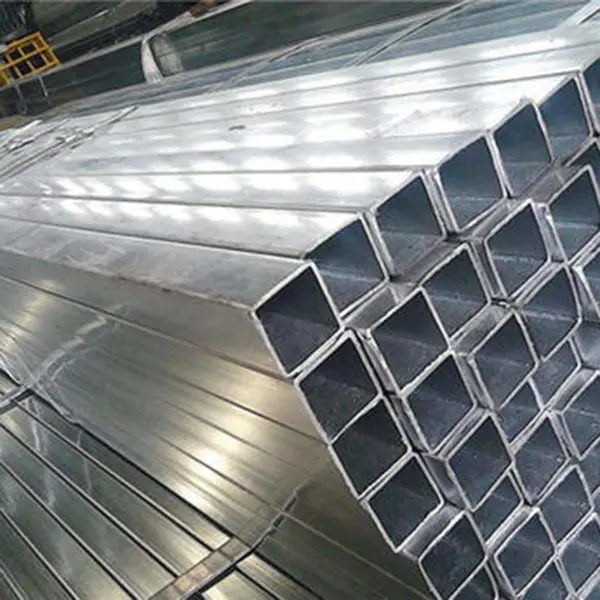
Electrical Metallic Tubing (EMT) conduit, specifically the 10 ft length, is a galvanized steel or aluminum raceway system used for protecting and routing electrical wiring. Positioned as a cost-effective and lightweight alternative to rigid metal conduit (RMC) and intermediate metal conduit (IMC), 10 ft EMT conduit finds extensive application in commercial, industrial, and residential electrical installations, primarily in dry, indoor locations. Its primary function is to safeguard conductors from physical damage, providing a grounded path for fault currents. Key performance characteristics include ease of bending and cutting, corrosion resistance due to galvanization, and compliance with various national and international electrical codes. A significant industry pain point revolves around ensuring consistent wall thickness and coating integrity to guarantee long-term corrosion protection and prevent premature failure, leading to costly downtime and safety hazards.
Material Science & Manufacturing
The primary material for 10 ft EMT conduit is low-carbon steel, typically AISI 1010 or similar, chosen for its formability and weldability. Aluminum alloys, such as 6061-T6, are also utilized for lighter-weight applications. Galvanization, employing a hot-dip process according to ASTM A123, provides corrosion resistance by creating a zinc coating. The manufacturing process begins with forming flat steel sheets into tubular shapes via roll forming. This process precisely controls the conduit's diameter and wall thickness. Subsequent longitudinal welding, usually using Electric Resistance Welding (ERW) or Fusion Welded (FW) techniques, creates a seamless joint. ERW utilizes electrical current to generate heat, fusing the edges together, while FW employs a shielding gas to protect the weld from atmospheric contamination. Critical parameters include welding current, feed rate, and electrode pressure. Post-welding, the conduit undergoes galvanization, ensuring complete coverage and adherence of the zinc coating. Quality control checks throughout the process involve dimensional accuracy verification, visual inspection for weld defects, and coating thickness measurements. Chemical compatibility with common wiring insulation materials (PVC, THHN, XHHW) is essential to prevent premature degradation of the insulation, a common source of electrical failures.
Performance & Engineering
The performance of 10 ft EMT conduit is governed by its mechanical strength, electrical conductivity, and corrosion resistance. Force analysis focuses on its ability to withstand bending, impact, and crushing forces, determined through standardized tests like bending moments and crush strength tests as defined in UL 797. Environmental resistance is critical, particularly in environments with varying humidity and temperature. Galvanization provides protection against rust, but prolonged exposure to corrosive substances (acids, salts) can compromise the coating. Compliance with National Electrical Code (NEC) Article 348 is paramount, dictating requirements for conduit fill capacity, support spacing, and grounding. Grounding is achieved through the metallic conduit itself, providing a low-impedance path for fault currents. Electrical conductivity, though not a primary design factor, must be sufficient to effectively ground the system. A critical engineering consideration involves thermal expansion and contraction, necessitating proper expansion joints to prevent stress build-up and potential cracking, especially in long conduit runs. Failure to address this can lead to conduit deformation and potential disconnection of wiring. Proper support and securing of the conduit, adhering to NEC guidelines, also minimizes stress and vibration-induced failures.
Technical Specifications
| Trade Size (inches) | Nominal Diameter (inches) | Wall Thickness (inches) | Minimum Bending Radius (inches) |
|---|---|---|---|
| 1/2" | 0.625 | 0.065 | 6 |
| 3/4" | 0.840 | 0.065 | 9 |
| 1" | 1.050 | 0.065 | 12 |
| 1 1/4" | 1.280 | 0.083 | 15 |
| 1 1/2" | 1.500 | 0.090 | 18 |
| 2" | 2.067 | 0.109 | 24 |
Failure Mode & Maintenance
Common failure modes for 10 ft EMT conduit include corrosion, mechanical damage (dents, crushing), and connection failures. Corrosion, particularly at threaded connections or damaged galvanization, leads to weakening of the conduit and eventual failure. Fatigue cracking can occur due to repeated bending or vibration, especially near elbows and fittings. Delamination of the zinc coating indicates inadequate surface preparation during galvanization, accelerating corrosion. Mechanical damage, resulting from impact during installation or operation, compromises the conduit's structural integrity. Connection failures, caused by loose or improperly tightened fittings, increase resistance and pose a fire hazard. Maintenance involves regular visual inspection for signs of corrosion, damage, or loose connections. Corroded areas should be cleaned and recoated with a zinc-rich primer. Damaged conduit sections require replacement. Connections should be periodically inspected and tightened to ensure secure electrical contact and mechanical integrity. Avoid using abrasive cleaners that can remove the galvanization, and ensure proper grounding connections are maintained. Preventative maintenance, including coating repairs and regular inspections, extends the conduit’s lifespan and ensures safe operation.
Industry FAQ
Q: What is the difference between EMT and Rigid Metal Conduit (RMC) in terms of application suitability?
A: RMC offers superior mechanical strength and is suitable for environments exposed to significant physical stress or hazardous locations. EMT, being lighter and easier to work with, is ideal for dry, indoor applications where physical protection is the primary concern. RMC is often mandated by code where greater impact resistance is required, such as exposed outdoor runs or areas prone to damage.
Q: How does the galvanization process affect the long-term performance of EMT conduit?
A: The quality and thickness of the galvanization layer directly impact the conduit’s corrosion resistance. Proper hot-dip galvanization, adhering to ASTM A123, creates a robust protective barrier. Insufficient galvanization or damage to the coating during installation can significantly reduce its lifespan and increase susceptibility to rust.
Q: What are the limitations of using EMT conduit in wet or corrosive environments?
A: EMT conduit is not recommended for direct burial or use in constantly wet or corrosive environments. While galvanization offers some protection, prolonged exposure to moisture and corrosive chemicals will eventually compromise the zinc coating and lead to corrosion of the underlying steel. In such environments, PVC-coated RMC or other corrosion-resistant materials are preferred.
Q: What is the correct procedure for bending EMT conduit without causing kinking or damage?
A: Use a dedicated EMT bender that matches the trade size of the conduit. Ensure the bender is properly calibrated and in good working condition. Avoid overbending, as this can weaken the conduit wall and create kinks. Apply consistent pressure throughout the bending process, and inspect the bend for any signs of deformation.
Q: How often should EMT conduit installations be inspected for corrosion and damage?
A: Routine inspections should be conducted at least annually, or more frequently in harsh environments. Look for signs of rust, dents, loose connections, or damage to the galvanization. Address any issues promptly to prevent further deterioration and ensure continued safe operation.
Conclusion
10 ft EMT conduit remains a foundational component of electrical infrastructure, offering a balance of cost-effectiveness, ease of installation, and adequate protection for electrical conductors. Its widespread adoption relies on stringent adherence to manufacturing standards, proper material selection (steel grade and galvanization quality), and careful installation practices. Understanding the potential failure modes – primarily corrosion and mechanical damage – is crucial for proactive maintenance and ensuring long-term reliability.
Future trends point toward the development of enhanced corrosion-resistant coatings, potentially incorporating nanotechnology to improve zinc adhesion and barrier properties. Further advancements in manufacturing processes may focus on tighter control of wall thickness and weld quality, maximizing conduit strength and durability. Continued emphasis on adherence to NEC guidelines and rigorous quality control will remain essential for maintaining the safety and integrity of electrical installations utilizing 10 ft EMT conduit.
