
Introduction
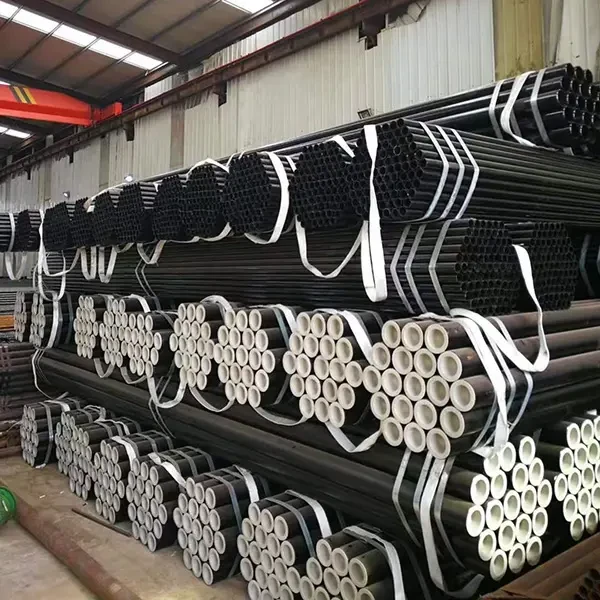
2-inch galvanized steel pipe is a foundational component in numerous industrial, commercial, and residential applications, primarily serving as a conduit for fluid and gas transport. Its technical position lies within the broader steel pipe manufacturing industry, functioning as a core product derived from hot-rolled steel. The galvanization process – the application of a protective zinc coating – fundamentally alters the steel’s corrosion resistance, expanding its operational lifespan and suitability for diverse environments. Core performance characteristics include pressure capacity, flow rate, structural integrity under load, and long-term resistance to environmental degradation. The material is widely utilized in plumbing, fire suppression systems, structural support, and various industrial processing lines. The inherent cost-effectiveness of steel, coupled with the protective benefits of galvanization, positions this pipe as a critical material in infrastructure development and maintenance. A primary industry pain point is ensuring consistent galvanization quality to prevent localized corrosion and premature failure, impacting system reliability and necessitating costly repairs or replacements.
Material Science & Manufacturing
The base material for 2-inch galvanized steel pipe is typically carbon steel, conforming to specifications like ASTM A53 Grade B or API 5L X42. The chemical composition predominantly consists of iron (Fe), with carbon (C) ranging from 0.05% to 0.30%, manganese (Mn) up to 1.35%, and trace amounts of silicon (Si), phosphorus (P), and sulfur (S). These elements influence the steel's weldability, ductility, and strength. The galvanization process itself is most commonly performed via hot-dip galvanizing. This involves immersing the steel pipe in a molten zinc bath (typically 98% pure zinc) after surface preparation, including pickling (acid cleaning to remove mill scale) and fluxing (applying a chemical to promote zinc adhesion). The reaction between iron and zinc forms a series of metallurgical layers – zeta (FeZn7), delta (FeZn10), gamma (Fe5Zn8), and eta (FeZn13) – providing a barrier against corrosion. Precise control of the bath temperature (around 450°C) and immersion time are crucial to ensure uniform coating thickness and metallurgical bonding. Manufacturing parameters such as welding seam quality (for ERW pipes), dimensional tolerances, and straightness are also stringently monitored. ERW (Electric Resistance Welding) is a common manufacturing method, utilizing high-frequency electric current to fuse the steel edges. Seamless pipes are produced via processes like piercing and extrusion, resulting in higher pressure ratings but generally higher costs.
Performance & Engineering
The performance of 2-inch galvanized steel pipe is governed by several engineering principles. Hydrostatic pressure testing, conforming to standards like API 5L or ASTM A53, verifies the pipe’s ability to withstand internal pressure without failure. Force analysis considers tensile strength (typically 36,000 psi for A53 Grade B), yield strength (around 25,000 psi), and elongation to determine load-bearing capacity. The zinc coating provides sacrificial protection – corroding preferentially to the steel – extending the pipe’s service life. However, the rate of zinc corrosion is affected by environmental factors, including pH, salinity, and temperature. In acidic environments, the corrosion rate accelerates. Galvanic corrosion can occur when the galvanized steel is in contact with dissimilar metals, necessitating the use of dielectric unions or other isolation techniques. Environmental resistance is further enhanced by the formation of a passivation layer on the zinc surface, reducing corrosion rates in neutral environments. Compliance requirements often dictate specific coating thicknesses (typically 85-150 μm) and adherence to standards like ANSI/AWWA C153 for potable water systems. Pipe support spacing must be calculated to prevent excessive bending stress and ensure structural integrity under applied loads, including the weight of the fluid and any external forces.
Technical Specifications
| Parameter | ASTM A53 Grade B | API 5L X42 | Typical Galvanization Coating (Zinc) |
|---|---|---|---|
| Nominal Pipe Size | 2 inches (60.3 mm) | 2 inches (60.3 mm) | 85-150 μm |
| Wall Thickness (Schedule 40) | 0.154 inches (3.91 mm) | Variable, dependent on pressure class | N/A |
| Tensile Strength (min) | 58,000 psi (400 MPa) | 420 MPa | N/A |
| Yield Strength (min) | 25,000 psi (172 MPa) | 345 MPa | N/A |
| Hydrostatic Test Pressure (min) | 2,000 psi | Dependent on pipe class | N/A |
| Zinc Coating Weight (min) | N/A | N/A | 0.30 oz/ft² (92 g/m²) |
Failure Mode & Maintenance
Common failure modes in 2-inch galvanized steel pipe include corrosion-induced pitting, localized coating breakdown, and crevice corrosion. Pitting occurs when localized defects in the zinc coating allow corrosion to initiate at specific points, leading to pinhole leaks. Uniform corrosion, albeit slower, reduces wall thickness over time, diminishing pressure capacity. Crevice corrosion develops in shielded areas, such as under gaskets or in threaded connections, where oxygen depletion accelerates corrosion. Fatigue cracking can occur under cyclic loading, particularly in pipe supports or near welds. Delamination of the zinc coating, often caused by inadequate surface preparation during galvanization, reduces protective efficacy. Hydrogen embrittlement, a less frequent issue, can occur during pickling, leading to reduced ductility. Regular maintenance includes visual inspections for signs of corrosion (rust, blisters, coating damage), hydrostatic testing to assess wall thickness and leak tightness, and application of protective coatings (e.g., epoxy) to areas with localized corrosion. Cathodic protection, utilizing sacrificial anodes or impressed current systems, can mitigate corrosion in buried pipelines. For minor coating damage, zinc-rich paint can be applied to restore protective properties. Replacement of severely corroded sections is often necessary to prevent catastrophic failure.
Industry FAQ
Q: What is the impact of water hardness on the lifespan of galvanized steel pipe?
A: Water hardness, specifically the concentration of calcium and magnesium ions, can significantly reduce the lifespan of galvanized steel pipe. Hard water forms scale deposits on the interior pipe surface, creating a barrier that reduces the effectiveness of the zinc coating and promotes localized corrosion underneath the scale. The scale also restricts flow and increases frictional losses. Water softening or the use of corrosion inhibitors are recommended in areas with high water hardness.
Q: How does welding affect the corrosion resistance of galvanized steel pipe?
A: Welding disrupts the galvanization coating, removing the protective zinc layer in the heat-affected zone. The weld area is particularly susceptible to corrosion. Post-weld galvanization (repair metallizing) is crucial to restore corrosion protection. Alternatively, the use of zinc-based welding rods and subsequent coating of the weld with a zinc-rich primer can provide adequate protection. Proper weld preparation and minimizing heat input are also essential.
Q: What are the advantages and disadvantages of using ERW versus seamless galvanized steel pipe?
A: ERW (Electric Resistance Welded) pipe is generally more cost-effective to manufacture, offering a good strength-to-weight ratio for many applications. However, the weld seam can be a potential point of failure, particularly under high stress or corrosive conditions. Seamless pipe offers superior strength and consistency, eliminating the weld seam vulnerability. It is preferred for critical applications requiring high pressure ratings or extreme reliability, but it is typically more expensive.
Q: What is the best method for connecting galvanized steel pipe to dissimilar metals to prevent galvanic corrosion?
A: Galvanic corrosion occurs when dissimilar metals are in electrical contact in the presence of an electrolyte (e.g., water). To prevent this, use dielectric unions, non-conductive couplings, or insulating flanges to isolate the galvanized steel pipe from the dissimilar metal. Ensure proper grounding to minimize potential differences. Alternatively, utilizing compatible metals or applying a protective coating to both metals can mitigate the risk.
Q: What are the limitations of relying solely on the zinc coating for corrosion protection in underground applications?
A: The zinc coating provides sacrificial protection, but its effectiveness is limited in underground environments. Soil composition (pH, resistivity, chloride content) significantly influences corrosion rates. In aggressive soils, the zinc coating may deplete relatively quickly, leaving the steel vulnerable. Combining galvanization with additional corrosion protection measures, such as epoxy coatings, polyethylene sleeves, or cathodic protection systems, is essential for long-term reliability in underground applications.
Conclusion
2-inch galvanized steel pipe remains a vital material for fluid and gas conveyance, underpinned by a robust manufacturing process and protective zinc coating. Understanding the interplay between material science, engineering principles, and environmental factors is critical for ensuring long-term performance and mitigating potential failure modes. The selection of appropriate pipe specifications, coupled with diligent maintenance practices, is paramount to maximizing service life and minimizing operational costs.
Future advancements in coating technologies, such as duplex systems combining galvanization with organic coatings, and improved corrosion monitoring techniques, will further enhance the durability and reliability of galvanized steel pipelines. Continued research into novel alloys with enhanced corrosion resistance and environmentally friendly galvanization processes will also contribute to the sustainability and longevity of this essential infrastructure component.
