
Introduction
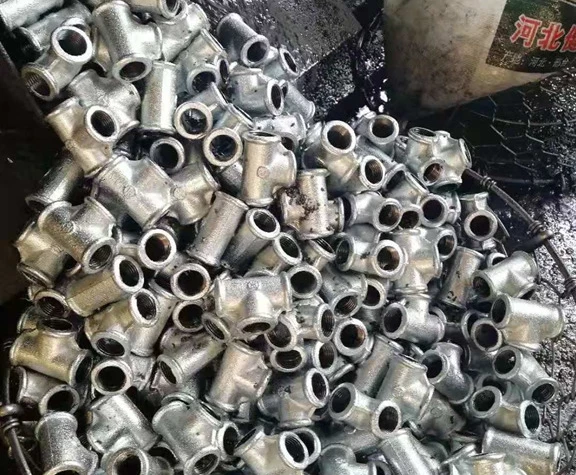
2-inch Outer Diameter (OD) galvanized pipe is a ubiquitous material in fluid conveyance systems, structural applications, and various industrial processes. Defined by its steel substrate coated with a protective layer of zinc, this piping offers a cost-effective balance of mechanical strength and corrosion resistance. Its position within the industry chain begins with raw steel production, followed by shaping into seamless or welded pipes, then hot-dip galvanization. Core performance characteristics include pressure containment capability, resistance to environmental degradation, and weldability/threadability for system integration. The demand for 2" galvanized pipe stems from its versatility in applications ranging from potable water distribution and fire suppression systems to fencing, scaffolding, and structural supports. A primary industry pain point is maintaining consistent zinc coating thickness and adherence to prevent premature corrosion, particularly in harsh chemical environments or coastal regions. Another is addressing the potential for hydrogen embrittlement in high-strength steel pipes after the galvanization process.
Material Science & Manufacturing
The base material for 2” OD galvanized pipe is typically carbon steel, specifically grades like ASTM A53 Grade B, or API 5L X42, X52. These steels consist primarily of iron with varying percentages of carbon (typically less than 0.30%), manganese, silicon, and phosphorus. The physical properties of the steel, including yield strength, tensile strength, and ductility, are crucial for withstanding internal pressure and external loads. Manufacturing begins with either seamless pipe production via processes like extrusion or the welded pipe route using Electric Resistance Welding (ERW) or submerged arc welding (SAW). Critical parameters during welding include precise control of welding current, voltage, and travel speed to ensure a sound, defect-free weld bead. Post-welding, non-destructive testing (NDT) like ultrasonic testing (UT) and radiographic testing (RT) are employed to verify weld integrity. The galvanization process, typically hot-dip galvanizing, involves immersing the steel pipe in a molten zinc bath (98% pure zinc) at temperatures around 450-460°C. This creates a metallurgical bond between the zinc and the steel, forming a series of zinc-iron alloy layers and an outer layer of pure zinc. Bath composition (aluminum and silicon content) and immersion time are key parameters controlling coating thickness and uniformity. Cooling rates post-galvanization also impact the microstructure and corrosion resistance of the coating.

Performance & Engineering
The structural performance of 2” OD galvanized pipe is dictated by its ability to withstand internal pressure, external loads, and bending moments. Force analysis necessitates consideration of hoop stress (σh = PD/2t, where P is pressure, D is diameter, and t is wall thickness) and longitudinal stress. Corrosion resistance is directly related to the zinc coating thickness and its metallurgical structure. Zinc provides cathodic protection to the steel substrate, sacrificing itself to prevent steel corrosion. However, this protection diminishes as the zinc coating is consumed. Environmental resistance is impacted by exposure to chlorides (salt spray), sulfates, and acidic conditions, which accelerate zinc corrosion. Compliance requirements vary depending on the application. Potable water systems require compliance with NSF/ANSI 61 standards, which dictate acceptable levels of lead and other contaminants leached from the pipe material. Fire suppression systems must adhere to NFPA 13 standards regarding pressure ratings and fire resistance. For structural applications, adherence to ASTM A53 or A120 standards is critical for ensuring material properties meet load-bearing requirements. Galvanized pipe connections (threaded or welded) are subject to stress concentrations at the joints, requiring careful torque control during threading and proper welding procedures to avoid cracking or leakage.
Technical Specifications
| Parameter | ASTM A53 Grade B (Typical) | API 5L X42 (Typical) | Hot-Dip Galvanizing (Typical) |
|---|---|---|---|
| Outside Diameter (OD) | 2.375 inches (60.3 mm) | 2.375 inches (60.3 mm) | 2.375 inches (60.3 mm) |
| Wall Thickness | Schedule 40: 0.154 inches (3.91 mm) | Variable, depending on pressure class | Zinc Coating Thickness: 0.0028 - 0.0035 inches (71.1 – 88.9 µm) |
| Yield Strength (min) | 36,000 psi (248 MPa) | 42,000 psi (289 MPa) | N/A |
| Tensile Strength (min) | 58,000 psi (400 MPa) | 65,000 psi (448 MPa) | N/A |
| Elongation (min) | 22% | 20% | N/A |
| Zinc Coating Weight | N/A | N/A | 1.2 - 1.8 oz/ft² (36.6 - 54.7 g/m²) |
Failure Mode & Maintenance
Common failure modes for 2” OD galvanized pipe include uniform corrosion (gradual zinc depletion), localized corrosion (pitting, crevice corrosion), and galvanic corrosion (when in contact with dissimilar metals). Hydrogen embrittlement, as mentioned, can occur during galvanization, leading to premature cracking, particularly in high-strength steels. Threaded connections are susceptible to stripping and leakage due to improper torque or corrosion. Welded joints can fail due to weld defects (porosity, lack of fusion), fatigue cracking from cyclic loading, or corrosion at the heat-affected zone (HAZ). Delamination of the zinc coating can occur due to poor surface preparation prior to galvanization or mechanical damage. Maintenance strategies include regular visual inspections for corrosion, coating damage, and leakage. For minor corrosion, surface cleaning and application of a zinc-rich paint or coating can extend service life. Leaking threaded connections require re-threading and application of a pipe sealant. Welded joints should be periodically inspected using NDT methods. Cathodic protection systems (sacrificial anodes or impressed current) can be implemented in critical applications to mitigate corrosion. Proper grounding of the piping system is also crucial to prevent stray current corrosion.
Industry FAQ
Q: What is the primary difference between schedule 40 and schedule 80 galvanized pipe, and how does this affect pressure capacity?
A: The primary difference is wall thickness. Schedule 80 pipe has a thicker wall than schedule 40 pipe. This increased wall thickness translates directly to a higher pressure rating. Schedule 80 can withstand significantly higher internal pressures for the same diameter pipe. The relationship is not linear, and pressure ratings are specified by standards like ASME B36.10M.
Q: How does the quality of surface preparation before galvanizing impact the lifespan of the coating?
A: Surface preparation is paramount. Any residual scale, rust, oil, or other contaminants will impede the metallurgical bond between the zinc and the steel. This results in poor coating adhesion and premature corrosion. Typically, a multi-stage cleaning process is employed, including degreasing, pickling (acid cleaning to remove rust and scale), and fluxing to promote zinc adhesion.
Q: What are the concerns regarding the use of galvanized pipe in potable water systems, specifically regarding lead content?
A: Historically, lead was used as an alloy component in galvanized steel. While modern galvanizing processes generally minimize lead content, it’s still a concern. NSF/ANSI 61 certification ensures that the pipe material does not leach excessive levels of lead or other contaminants into the potable water. Lead-free galvanized options are also available.
Q: Is galvanized pipe suitable for use in corrosive chemical environments? If not, what are the alternatives?
A: Galvanized pipe has limited resistance to highly corrosive chemicals, particularly acids and strong alkalis. The zinc coating will be rapidly attacked, leading to corrosion of the underlying steel. Alternatives include stainless steel (304, 316), plastic pipes (PVC, CPVC, PP), or lined steel pipes with specialized corrosion-resistant coatings (epoxy, polyurethane).
Q: What are the implications of using dissimilar metals in contact with galvanized pipe, and how can galvanic corrosion be prevented?
A: When galvanized pipe is connected to more noble metals (e.g., copper, stainless steel) in the presence of an electrolyte (water, moisture), a galvanic cell is formed. The zinc acts as the anode and corrodes preferentially. Prevention methods include using dielectric unions to isolate dissimilar metals, applying protective coatings to both metals, or using sacrificial anodes to protect the galvanized pipe.
Conclusion
2” OD galvanized pipe remains a prevalent and cost-effective solution for numerous piping applications, offering a beneficial combination of strength and corrosion resistance. However, its long-term performance is fundamentally linked to the quality of the steel substrate, the integrity of the zinc coating, and the specific operating environment. Understanding the potential failure modes, coupled with proactive maintenance and adherence to relevant industry standards, is essential for maximizing the service life and ensuring the safe and reliable operation of galvanized piping systems.
Future advancements in galvanizing technology, such as the development of improved zinc alloys and optimized coating processes, will further enhance the corrosion protection and durability of galvanized pipe. Furthermore, ongoing research into hydrogen embrittlement mitigation strategies is crucial for ensuring the long-term structural integrity of high-strength galvanized steel pipes. The careful selection of pipe schedule, appropriate connection methods, and diligent inspection routines remain the cornerstones of successful implementation and enduring performance.
