
Introduction
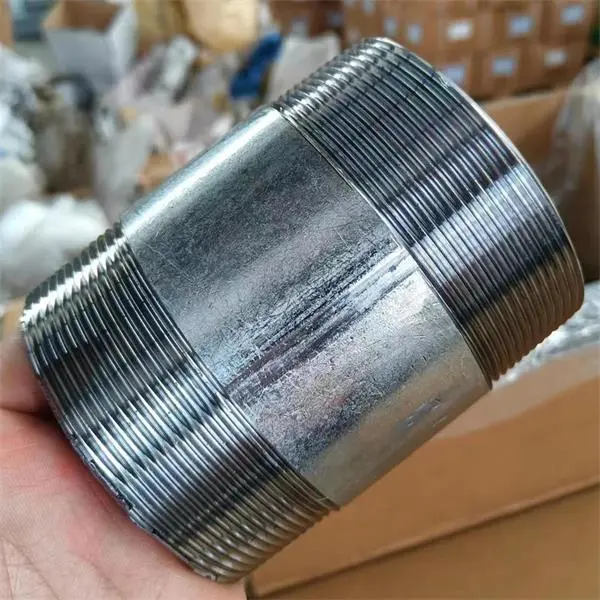
Twenty-foot steel pipe, a fundamental component in numerous industrial applications, represents a standardized length of carbon or alloy steel tubing. Its position within the supply chain is foundational, serving as a crucial building block for infrastructure projects encompassing oil & gas transmission, water distribution, structural support, and industrial processing. The core performance characteristics of 20 ft steel pipe are defined by its pressure rating, dimensional accuracy (OD & ID), wall thickness, and material composition. These factors dictate its suitability for specific applications and its ability to withstand internal and external stresses. The prevalence of this standardized length facilitates efficient transportation, storage, and fabrication, leading to cost savings and streamlined project execution. The industry faces ongoing challenges regarding corrosion mitigation, weld quality control, and adherence to increasingly stringent safety regulations. Selecting the appropriate grade and specification is paramount to preventing premature failure and ensuring long-term operational integrity.
Material Science & Manufacturing
The primary raw material for 20 ft steel pipe is carbon steel, typically produced through the Basic Oxygen Furnace (BOF) or Electric Arc Furnace (EAF) route. Specific grades (e.g., A53 Grade B, API 5L X42) dictate the precise chemical composition, influencing mechanical properties. Key elements include carbon, manganese, silicon, phosphorus, sulfur, and trace amounts of other alloys. The manufacturing process typically involves forming a hollow billet from steel, followed by either seamless or welded production. Seamless pipe is produced by piercing a solid billet with a mandrel. Welded pipe is fabricated by rolling steel plates into cylindrical shapes and then welding the seam – utilizing Electric Resistance Welding (ERW), Submerged Arc Welding (SAW), or Double Submerged Arc Welding (DSAW). Parameter control is critical throughout: precise temperature regulation during heating and cooling to achieve desired grain structure and mechanical properties; accurate mandrel control in seamless pipe manufacturing to ensure dimensional tolerances; and stringent weld parameter control (voltage, current, travel speed) in welded pipe to guarantee weld integrity. Post-manufacturing processes include normalizing, quenching and tempering (for high-strength grades), hydrostatic testing (to verify pressure integrity), and coating (for corrosion protection). Material traceability and adherence to mill test reports are essential for quality assurance. Improper heat treatment can lead to localized embrittlement, while inadequate weld penetration introduces critical stress concentration points.
Performance & Engineering
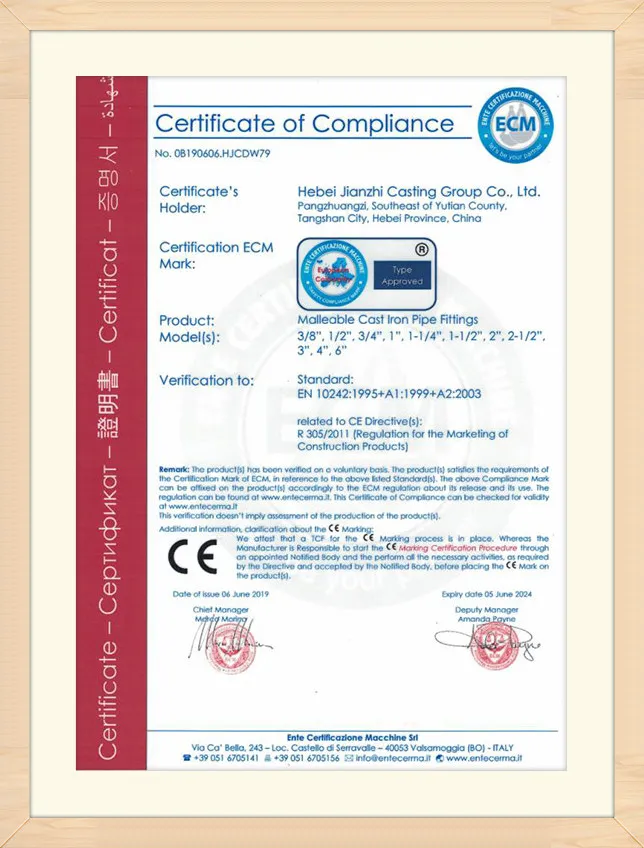
The performance of 20 ft steel pipe is fundamentally governed by its ability to withstand internal and external pressures, axial loads, bending moments, and torsional stresses. Force analysis relies on established equations from mechanics of materials, factoring in material yield strength, tensile strength, and modulus of elasticity. Environmental resistance is a crucial consideration, particularly in corrosive environments. Factors like pH, salinity, temperature, and the presence of specific chemicals influence the rate of corrosion. Protective coatings (epoxy, polyurethane, polyethylene) and cathodic protection are commonly employed to mitigate corrosion. Compliance requirements are dictated by industry-specific standards, such as API 5L for oil & gas pipelines, ASME B31.1 for power piping, and ASTM A53/A53M for general-purpose applications. Functional implementation requires careful consideration of pressure drop calculations (Darcy-Weisbach equation) for fluid transport applications, and stress analysis (Finite Element Analysis – FEA) for structural support applications. Fatigue analysis is paramount for applications involving cyclic loading, predicting the lifespan of the pipe under repeated stress. In seismic zones, pipe supports must be engineered to withstand earthquake forces, ensuring structural integrity and preventing catastrophic failure. The selection of appropriate fittings (elbows, tees, reducers) is crucial to maintaining system integrity and minimizing stress concentrations.
Technical Specifications
| Parameter | ASTM A53 Grade B | API 5L X42 | ASTM A106 Grade B |
|---|---|---|---|
| Outside Diameter (in) | 0.5 – 48 | 6 – 48 | 0.5 – 8.625 |
| Wall Thickness (in) | Schedule 40, 80, 160 | Various, specified by project | Schedule 40, 80, 160 |
| Yield Strength (psi) | 36,000 | 42,000 | 35,000 |
| Tensile Strength (psi) | 58,000 | 65,000 | 60,000 |
| Elongation (%) | 22 (min) | 20 (min) | 20 (min) |
| Hydrostatic Test Pressure (psi) | Varies by size & schedule | Varies by size & specification | Varies by size & schedule |
Failure Mode & Maintenance
Common failure modes in 20 ft steel pipe include corrosion (general, pitting, crevice, galvanic), fatigue cracking (due to cyclic loading), stress corrosion cracking (SCC – exacerbated by tensile stress and specific corrosive environments), erosion (caused by abrasive particles in fluid streams), and weld defects (incomplete penetration, porosity, lamellar tearing). Failure analysis often involves metallographic examination to identify crack initiation sites and corrosion mechanisms. Preventive maintenance is crucial. Regular inspections (visual, ultrasonic testing, radiographic testing) can detect early signs of corrosion or cracking. Coating maintenance (repairing damaged coatings) is essential for corrosion protection. Internal cleaning (pigging) removes deposits that can promote corrosion or restrict flow. For pipelines, leak detection systems are vital. Repair strategies range from localized patching to complete pipe replacement. Weld repairs must be performed by qualified welders and inspected to ensure integrity. In cases of SCC, mitigating the corrosive environment and reducing tensile stress are critical. Proper storage practices (preventing moisture exposure) minimize corrosion during prolonged inactivity. Ignoring corrosion and failing to adhere to a robust inspection schedule are leading causes of catastrophic pipeline failures.
Industry FAQ
Q: What is the difference between seamless and welded pipe, and when would you choose one over the other?
A: Seamless pipe is manufactured from a solid billet without a weld seam, offering superior strength and resistance to pressure. Welded pipe, formed by rolling and welding steel plates, is generally more cost-effective. Seamless pipe is preferred for critical applications like high-pressure pipelines and boiler tubes where weld integrity is paramount. Welded pipe is suitable for lower-pressure applications like water distribution and structural support, where cost is a greater concern.
Q: How does the carbon equivalent (CE) of a steel grade impact its weldability?
A: Carbon Equivalent (CE) is a calculated value representing the combined effect of various alloying elements on hardenability during welding. Higher CE values indicate increased hardenability and a greater risk of cracking in the Heat Affected Zone (HAZ). Lower CE steels are generally easier to weld and exhibit better toughness in the weld area.
Q: What are the common coating systems used for corrosion protection of steel pipe, and what are their advantages and disadvantages?
A: Common coating systems include epoxy coatings (good adhesion, chemical resistance), polyurethane coatings (excellent UV resistance, abrasion resistance), polyethylene coatings (high impact resistance, good electrical insulation), and galvanizing (sacrificial corrosion protection). Epoxy and polyurethane offer excellent long-term corrosion protection but can be susceptible to damage. Polyethylene provides robust physical protection but may be less chemically resistant. Galvanizing is cost-effective but offers limited protection in aggressive environments.
Q: What is the significance of NACE MR0175/ISO 15156 in selecting materials for sour service applications?
A: NACE MR0175/ISO 15156 is a standard specifically addressing materials selection for sour service environments – those containing hydrogen sulfide (H2S). It details the acceptable materials, hardness limitations, and testing requirements to prevent sulfide stress cracking (SSC), a critical failure mechanism in these environments. Strict adherence to this standard is essential for safety and reliability in oil & gas processing and transmission.
Q: How does hydrostatic testing ensure the integrity of a steel pipe?
A: Hydrostatic testing involves pressurizing the pipe with water to a level significantly exceeding its operating pressure. This test verifies the pressure integrity of the pipe, identifies leaks, and detects any structural weaknesses. The test is held for a specified duration, and the pipe is visually inspected for deformation or leakage. It is a crucial quality control step before commissioning.
Conclusion
The selection and implementation of 20 ft steel pipe necessitate a thorough understanding of material science, manufacturing processes, and performance characteristics. The inherent variability in steel composition and manufacturing techniques demands strict adherence to industry standards (ASTM, API, ASME) and rigorous quality control procedures. Corrosion mitigation strategies, proactive maintenance programs, and comprehensive failure analysis are essential to ensure long-term operational reliability and prevent costly failures.
Looking ahead, advancements in high-strength steel alloys, improved coating technologies, and sophisticated non-destructive testing methods will continue to enhance the performance and durability of steel pipe. Furthermore, the increasing emphasis on sustainability will drive the development of more environmentally friendly manufacturing processes and corrosion protection solutions. Understanding these evolving trends is critical for engineers and procurement professionals in optimizing pipe selection and maximizing asset lifespan.
