
Introduction
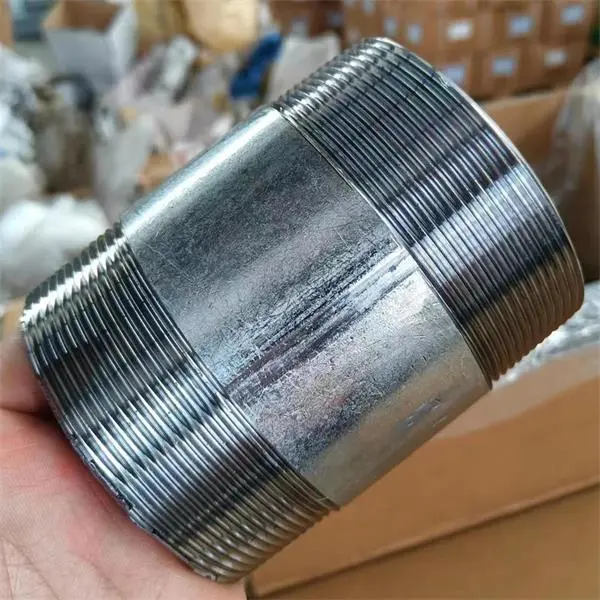
25mm steel pipe, nominally ¾ inch, represents a fundamental component in numerous industrial applications, encompassing fluid conveyance, structural support, and mechanical systems. Its prevalence stems from the inherent properties of steel – high strength, durability, and weldability – coupled with a cost-effective manufacturing process. Within the broader piping industry chain, 25mm steel pipe serves as a crucial intermediate product, transformed from raw steel stock through processes like seamless extrusion or welding of steel plates. Core performance characteristics include its pressure rating, dimensional accuracy, and resistance to corrosion, all dictated by the steel grade and manufacturing method employed. This guide provides a detailed technical analysis, covering material science, manufacturing processes, performance metrics, potential failure modes, and relevant industry standards.
Material Science & Manufacturing
The predominant material for 25mm steel pipe is carbon steel, typically conforming to ASTM A53 Grade B or API 5L specifications. These steels are primarily composed of iron, with carbon content ranging from 0.05% to 0.25%, influencing weldability and tensile strength. Lower carbon content improves weldability, while higher carbon content enhances strength but reduces ductility. Other alloying elements, such as manganese, silicon, and sulfur, are added to modify properties like hardenability and machinability. Stainless steel grades, like 304/304L or 316/316L, are used in corrosive environments, introducing chromium (18-20%) and nickel (8-10%) for superior corrosion resistance.
Manufacturing processes fall into two primary categories: seamless and welded. Seamless pipes are produced by piercing a solid billet of steel and subsequently drawing it to the desired diameter and wall thickness. This process results in a uniform structure, offering superior pressure-bearing capacity and resistance to fatigue. Welded pipes, conversely, are manufactured by rolling steel plates into a cylindrical shape and welding the seam longitudinally. Common welding methods include Electric Resistance Welding (ERW), submerged arc welding (SAW), and high-frequency induction welding (HFIW). Critical parameters during welding include heat input, welding speed, and shielding gas composition to minimize defects like porosity and incomplete fusion. Post-weld heat treatment (PWHT) is often employed to relieve residual stresses and improve mechanical properties. Dimensional control is paramount throughout both processes, requiring precise calibration of rollers, dies, and welding equipment to ensure adherence to specified outer diameter, wall thickness, and straightness tolerances.
Performance & Engineering
The performance of 25mm steel pipe is critically governed by its ability to withstand internal pressure and external loads. Hoop stress, calculated using the Barlow’s formula (σ = PD/2t, where P is pressure, D is diameter, and t is wall thickness), dictates the maximum allowable internal pressure. External loads, such as bending moments and axial forces, are assessed using finite element analysis (FEA) to predict stress distribution and potential yielding or buckling. Corrosion resistance is a key engineering consideration, particularly in aggressive environments. Protective coatings, such as epoxy resins, polyethylene, or galvanization, are applied to mitigate corrosion. Cathodic protection, employing sacrificial anodes or impressed current systems, provides additional corrosion prevention. The pipe’s susceptibility to fatigue cracking is evaluated through S-N curve analysis, considering cyclic loading conditions. For critical applications, non-destructive testing (NDT) methods, including ultrasonic testing (UT), radiographic testing (RT), and magnetic particle inspection (MPI), are employed to detect defects and ensure structural integrity. Compliance requirements vary based on the intended application; for example, pipelines transporting hazardous materials must adhere to stringent regulations outlined by DOT (Department of Transportation) and ASME B31.8.
Technical Specifications
| Parameter | ASTM A53 Grade B | API 5L X42 | SS 304/304L | Units |
|---|---|---|---|---|
| Outer Diameter | 25.4 mm (Nominal) | 25.4 mm (Nominal) | 25.4 mm (Nominal) | mm |
| Wall Thickness | 2.6 – 6.4 | 2.6 – 8.0 | 2.6 – 6.4 | mm |
| Yield Strength | 250 MPa | 345 MPa | 205 MPa | MPa |
| Tensile Strength | 400 MPa | 485 MPa | 517 MPa | MPa |
| Elongation | 22% | 20% | 30% | % |
| Hydrostatic Test Pressure | 6.9 MPa | 9.3 MPa | Variable (Grade Dependent) | MPa |
Failure Mode & Maintenance
Common failure modes for 25mm steel pipe include corrosion (general, pitting, and galvanic), erosion, fatigue cracking, and stress corrosion cracking (SCC). Corrosion, particularly in untreated carbon steel, leads to material loss and eventual perforation. Erosion, caused by abrasive particles in the fluid stream, gradually wears away the pipe wall. Fatigue cracking initiates from stress concentrations, such as welds or dents, and propagates under cyclic loading. SCC occurs in specific corrosive environments where tensile stress is present. Regular inspection, utilizing visual examination, UT, and RT, is crucial for early detection of defects. Preventive maintenance includes applying protective coatings, implementing corrosion inhibitors, and controlling fluid velocity to minimize erosion. If cracks are detected, repair options include welding (following appropriate PWHT procedures) or replacement of the affected section. Periodic hydrostatic testing verifies the pipe’s pressure-bearing capacity and identifies potential leaks. For stainless steel pipes, maintaining the passive chromium oxide layer is essential; avoiding chloride contamination and ensuring proper surface cleaning are vital. Proper storage practices, protecting pipes from moisture and corrosive elements, minimize degradation during prolonged inactivity.
Industry FAQ
Q: What is the primary difference between ASTM A53 and API 5L steel pipe in terms of application suitability?
A: ASTM A53 is generally used for structural and plumbing applications where lower pressure and temperature requirements prevail. API 5L is specifically designed for pipelines transporting oil and gas, demanding higher strength, toughness, and resistance to sour gas environments (containing H2S). API 5L undergoes more rigorous testing and inspection procedures.
Q: How does the welding process impact the corrosion resistance of welded steel pipe?
A: The welding process can create heat-affected zones (HAZs) with altered microstructure, potentially reducing corrosion resistance. Incomplete fusion or porosity can also act as initiation sites for corrosion. Proper welding procedures, PWHT, and selection of appropriate filler metals are crucial to minimize these effects. Stainless steel welds often require specialized shielding gases to maintain chromium content and prevent sensitization.
Q: What factors contribute to stress corrosion cracking in steel pipe?
A: Stress corrosion cracking requires the simultaneous presence of tensile stress, a susceptible material, and a specific corrosive environment. Common environments include those containing chlorides, hydroxides, or sulfides. Reducing tensile stress through stress relieving or selecting more resistant materials can mitigate SCC.
Q: What are the advantages of using stainless steel pipe over carbon steel pipe in highly corrosive environments?
A: Stainless steel, particularly grades 304/304L and 316/316L, offers significantly superior corrosion resistance due to the presence of chromium, which forms a passive oxide layer. This layer protects the underlying steel from attack by most corrosive agents. While more expensive than carbon steel, stainless steel can eliminate the need for costly coatings and reduce maintenance requirements in harsh environments.
Q: How often should hydrostatic testing be performed on existing steel piping systems?
A: The frequency of hydrostatic testing depends on factors such as the pipe’s age, operating conditions, the nature of the transported fluid, and regulatory requirements. A general guideline is to perform hydrostatic testing every 5-10 years, but more frequent testing may be necessary for critical systems or those operating under high pressure or temperature. A thorough risk assessment should determine the appropriate testing interval.
Conclusion
25mm steel pipe remains a vital component across diverse industrial sectors due to its robust mechanical properties and cost-effectiveness. The selection of appropriate material grade – carbon steel, stainless steel, or alloy steel – hinges critically on the specific application demands, particularly concerning pressure, temperature, and corrosive environment. Understanding the nuances of manufacturing processes, encompassing both seamless and welded techniques, is paramount for ensuring product quality and structural integrity.
Effective failure prevention relies on diligent inspection programs, incorporating NDT methods, coupled with proactive maintenance strategies aimed at mitigating corrosion, erosion, and fatigue. Adherence to relevant international standards, such as those established by ASTM, API, and ISO, is non-negotiable for ensuring safe and reliable operation. Continued advancements in materials science and welding technology promise to further enhance the performance and longevity of 25mm steel pipe in increasingly demanding applications.
