

Introduction
3/8 inch steel pipe, denoting an outer diameter of 3/8 of an inch (approximately 9.525 mm), represents a fundamental component within fluid conveyance systems across diverse industries. This specification falls within the broader category of carbon steel pipe, typically manufactured to ASTM A53 or equivalent standards. Its prevalent usage stems from a balance of cost-effectiveness, readily available manufacturing processes, and sufficient mechanical properties for low-to-medium pressure applications. Within the industry chain, 3/8” steel pipe functions as a critical link in infrastructure relating to hydraulic systems, pneumatic lines, instrumentation, and structural support. Core performance characteristics center on its pressure rating, tensile strength, corrosion resistance (dependent on coating or material grade), and dimensional accuracy, influencing system reliability and operational longevity. A primary industry pain point revolves around achieving consistent weldability and mitigating corrosion in demanding environments, dictating the necessity for precise material specification and protective measures.
Material Science & Manufacturing
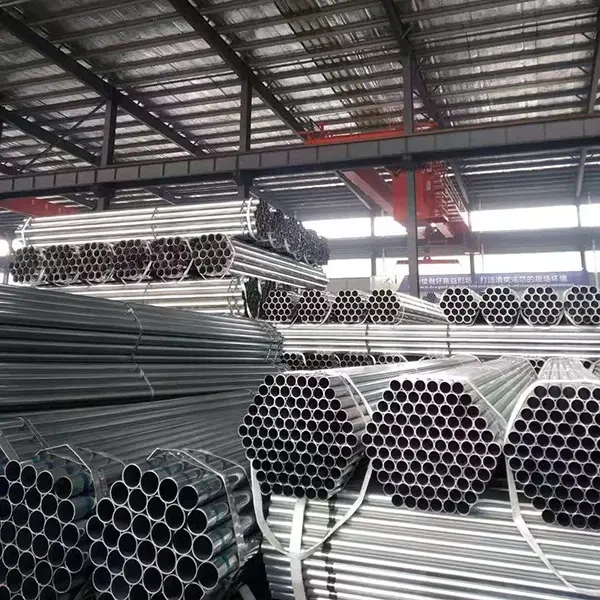
The primary raw material for 3/8” steel pipe is carbon steel, typically utilizing grades like 1018, 1026, or A53 Grade B. These steels consist predominantly of iron, with varying carbon content (typically 0.18% to 0.26% for the aforementioned grades), alongside trace amounts of manganese, silicon, and phosphorus. The carbon content dictates hardness and strength; higher carbon content increases strength but reduces ductility. Manufacturing commonly employs the Electric Resistance Welding (ERW) process. In ERW, a steel strip is formed into a cylindrical shape and then welded along the seam using high-frequency electric current. Precise control of current frequency, welding speed, and pressure are critical to ensure a homogenous, defect-free weld. Alternatively, seamless pipe is produced through mandrel rolling or extrusion processes, eliminating the weld seam and offering superior pressure handling capabilities. Post-manufacturing, processes include normalizing (to refine grain structure and enhance machinability), pickling (to remove scale), and potentially galvanizing or applying epoxy coatings for corrosion protection. Critical parameters include wall thickness, dimensional tolerances (outer diameter and roundness), and weld seam integrity (assessed via non-destructive testing like ultrasonic or radiographic inspection). Chemical compatibility with transported fluids is paramount; improper material selection can lead to corrosion and system failure.
Performance & Engineering
Performance of 3/8” steel pipe is fundamentally governed by its ability to withstand internal pressure and external loads. Force analysis involves calculations based on the Barlow’s formula (P = 2St/D, where P is pressure, S is tensile strength, t is wall thickness, and D is outer diameter) to determine maximum allowable operating pressure. Environmental resistance is a significant concern. Exposure to corrosive environments (saltwater, acids, bases) necessitates the use of corrosion-resistant alloys (e.g., 304/316 stainless steel) or protective coatings. Compliance requirements vary by application and region. For potable water systems, pipes must meet NSF/ANSI 61 standards. For oil and gas applications, API 5L standards dictate material specifications, manufacturing processes, and testing protocols. Functional implementation often involves threaded connections (NPT, BSP) or welded joints. Threaded connections require proper sealing compounds to prevent leaks, while welded joints demand qualified welders and adherence to welding procedures (e.g., ASME Section IX). Fatigue analysis is crucial in applications with cyclic loading, assessing the potential for crack initiation and propagation under repeated stress.
Technical Specifications
| Parameter | Typical Value (A53 Grade B Carbon Steel) | Unit | Testing Standard |
|---|---|---|---|
| Outer Diameter | 9.525 | mm | ASTM E29 |
| Wall Thickness | 2.77 – 4.06 | mm | ASTM E29 |
| Yield Strength | 250 | MPa | ASTM A370 |
| Tensile Strength | 450 | MPa | ASTM A370 |
| Elongation | 23 | % | ASTM A370 |
| Hydrostatic Test Pressure | 6.2 | MPa | ASTM A53 |
Failure Mode & Maintenance
Common failure modes for 3/8” steel pipe include corrosion (rusting, pitting), fatigue cracking (due to cyclic loading), erosion (from abrasive fluids), and weld defects (porosity, incomplete fusion). Corrosion is accelerated in the presence of chlorides, sulfides, and acidic compounds. Fatigue cracking typically initiates at stress concentrators (e.g., weld seams, threaded connections) and propagates under repeated loading. Weld defects compromise the structural integrity of the pipe. Failure analysis involves visual inspection, non-destructive testing (ultrasonic testing, radiographic testing), and metallurgical examination of fractured surfaces. Maintenance strategies encompass regular inspection for signs of corrosion or damage, application of protective coatings (painting, galvanizing), cathodic protection (for buried pipelines), and periodic hydrostatic testing to verify pressure integrity. For threaded connections, retorquing may be necessary to maintain seal integrity. Replacing damaged sections with compatible materials and employing proper corrosion inhibitors in the transported fluid are also vital preventative measures. Addressing corrosion proactively is substantially more cost-effective than repairing or replacing failed pipelines.
Industry FAQ
Q: What is the difference between ERW and seamless 3/8” steel pipe, and when would I choose one over the other?
A: ERW (Electric Resistance Welded) pipe is manufactured by welding a steel strip, while seamless pipe is created without a weld seam through processes like mandrel rolling. Seamless pipe generally offers superior pressure handling capabilities and is preferred for critical applications involving high pressures or corrosive fluids. ERW pipe is more cost-effective and suitable for lower-pressure applications where weld integrity can be adequately ensured through rigorous testing.
Q: How does the carbon content in 3/8” steel pipe affect its performance?
A: Higher carbon content increases the steel’s hardness and tensile strength, but it also reduces its ductility and weldability. Lower carbon content improves ductility and weldability but sacrifices some strength. The optimal carbon content depends on the intended application and desired balance of properties.
Q: What type of coating is best for protecting 3/8” steel pipe from corrosion in a marine environment?
A: In marine environments, galvanizing (zinc coating) provides sacrificial corrosion protection, while epoxy coatings offer a barrier against saltwater intrusion. Duplex systems combining galvanizing and epoxy coatings provide enhanced protection. Considerations also include the coating's abrasion resistance and resistance to UV degradation.
Q: What are the key considerations when welding 3/8” steel pipe?
A: Key considerations include selecting the appropriate welding process (SMAW, GMAW, GTAW), using compatible filler metals, preheating the pipe to reduce thermal stress, maintaining proper welding parameters (current, voltage, travel speed), and post-weld heat treatment to relieve stress and improve weld properties. Qualified welders and adherence to approved welding procedures are essential.
Q: How often should 3/8” steel pipe be inspected for corrosion, and what inspection methods are recommended?
A: Inspection frequency depends on the operating environment. In less corrosive environments, annual inspections may suffice. In severe environments, more frequent inspections (quarterly or even monthly) are necessary. Recommended inspection methods include visual inspection, ultrasonic testing (to detect wall thinning), and radiographic testing (to detect weld defects). Coating integrity should also be regularly assessed.
Conclusion
3/8” steel pipe remains a foundational element in numerous industrial applications, its selection dictated by a careful consideration of material properties, manufacturing processes, and operational demands. Achieving optimal performance necessitates a comprehensive understanding of potential failure modes, implementation of robust corrosion protection strategies, and adherence to relevant industry standards. The ERW versus seamless pipe decision, alloy selection, and coating application are critical engineering choices directly impacting system reliability and longevity.
Moving forward, advancements in high-strength steel alloys and innovative coating technologies will further enhance the performance and lifespan of 3/8” steel pipe. Continued emphasis on non-destructive testing methods and predictive maintenance strategies will be crucial for ensuring safe and efficient operation. Addressing the persistent challenge of corrosion through material science innovation and proactive maintenance practices will remain paramount in maximizing the return on investment for steel pipe infrastructure.
