
Introduction
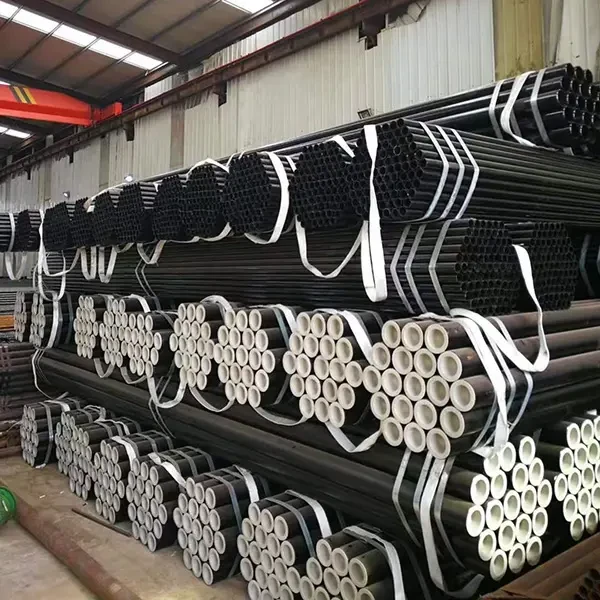
Schedule 5 galvanized pipe is a carbon steel pipe that has been hot-dip galvanized, a process applying a protective zinc coating. It’s categorized by its nominal pipe size (NPS) of 5 inches and a schedule number (5) denoting its wall thickness. Within the industrial piping infrastructure, galvanized pipe occupies a crucial, though increasingly specialized, position. Traditionally used extensively in water distribution, fire suppression, and structural applications, its use is now often superseded by alternatives like ductile iron, PVC, and stainless steel due to corrosion concerns and evolving regulations. However, it remains prevalent in specific scenarios where cost-effectiveness, strength, and threadability are paramount. Core performance characteristics include pressure containment, resistance to mechanical stress, and suitability for threaded connections. Understanding these aspects, along with its limitations, is critical for proper engineering design and maintenance in applicable industrial settings.
Material Science & Manufacturing
The base material for Schedule 5 galvanized pipe is typically carbon steel, conforming to ASTM A53 Grade B or similar standards. This steel is characterized by its relatively high carbon content (typically less than 0.30%) and tensile strength ranging from 70,000 to 80,000 psi. The manufacturing process begins with the seamless or welded production of the steel pipe. Seamless pipes are formed by piercing a solid billet of steel, while welded pipes are manufactured by rolling and welding steel plates. Following pipe formation, the surface preparation for galvanizing is crucial. This involves pickling with hydrochloric or sulfuric acid to remove mill scale and rust, followed by fluxing to promote zinc adhesion. Hot-dip galvanizing involves immersing the cleaned steel pipe in a bath of molten zinc (typically 98% pure) at a temperature of around 840°F (450°C). The zinc reacts with the steel, forming a series of zinc-iron alloy layers, culminating in an outer layer of pure zinc. Critical parameters in this process include immersion time, zinc bath temperature, and the rate of cooling. The zinc coating thickness is generally specified in terms of zinc weight per unit area (e.g., G90, meaning 0.90 ounces of zinc per square foot). Post-galvanization, the pipe undergoes inspection for coating uniformity and adherence, as well as dimensional accuracy. Quality control includes hydrostatic testing to verify pressure integrity and visual inspection for defects.

Performance & Engineering
The primary engineering consideration for Schedule 5 galvanized pipe is its structural integrity under pressure and mechanical load. Wall thickness, dictated by the ‘5’ schedule, directly impacts the pipe’s ability to withstand internal pressure. The allowable stress levels are determined by ASME B31.1 (Power Piping) or similar codes depending on the application. Force analysis involves calculating hoop stress (resulting from internal pressure) and longitudinal stress (due to bending moments). Corrosion resistance is a significant performance factor, however, the galvanizing layer is not impervious. Galvanic corrosion can occur when galvanized steel is in contact with dissimilar metals in the presence of an electrolyte. Environmental resistance is also impacted by exposure to chlorides, sulfates, and acidic conditions, which accelerate zinc corrosion. Compliance requirements are stringent, particularly in potable water systems. Lead content in the galvanizing process is a primary concern, leading to increased adoption of lead-free galvanized options. Functional implementation necessitates careful consideration of connection methods – typically threaded connections using tapered NPT (National Pipe Thread) threads. Proper thread preparation and sealing are critical to prevent leaks and ensure joint integrity. The limitations of galvanized pipe in high-temperature applications must also be addressed; the zinc coating degrades at elevated temperatures.
Technical Specifications
| Parameter | Specification (Typical) | Unit | Test Method |
|---|---|---|---|
| Nominal Pipe Size (NPS) | 5 | inches | Measurement |
| Schedule | 5 | - | - |
| Wall Thickness | 0.154 | inches | Measurement |
| Outside Diameter | 5.561 | inches | Measurement |
| Minimum Yield Strength (Steel) | 36,000 | psi | ASTM A53 |
| Zinc Coating Weight | G90 (0.90 oz/ft²) | oz/ft² | ASTM A123 |
| Hydrostatic Test Pressure | 300 | psi | API 5L |
Failure Mode & Maintenance
Galvanized pipe is susceptible to several failure modes. Corrosion is the most prevalent, manifesting as rust formation and thinning of the pipe wall, particularly at threaded connections and welds. This corrosion can be uniform, pitting, or galvanic, depending on the environment. Fatigue cracking can occur under cyclic loading, especially at stress concentrators such as thread roots or areas with surface defects. Delamination of the zinc coating can occur due to poor surface preparation or improper galvanizing conditions, reducing corrosion protection. Hydrogen embrittlement, a less common but serious failure mode, can occur during the pickling process, leading to reduced ductility and cracking. Thread damage is common due to improper installation or over-tightening. Maintenance strategies include regular visual inspection for signs of corrosion or damage, application of corrosion inhibitors in corrosive environments, and periodic hydrostatic testing to assess pressure integrity. Damaged sections should be replaced with compatible materials. Protective coatings, such as epoxy paints, can be applied over the galvanized surface to enhance corrosion resistance. Proper sealing compounds should be used for threaded connections to prevent galvanic corrosion and leaks. Periodic cleaning to remove debris and contaminants can also extend the service life of the pipe. Avoiding direct contact with dissimilar metals is crucial in mitigating galvanic corrosion.
Industry FAQ
Q: What is the primary limitation of using galvanized pipe in potable water systems?
A: The primary limitation is the potential for lead contamination. Traditional galvanizing processes often used lead as a flux, leaving trace amounts of lead in the zinc coating. While lead-free galvanizing options are available, careful verification of material certification is required to ensure compliance with regulations like NSF/ANSI 61.
Q: How does the operating temperature affect the lifespan of a galvanized pipe?
A: Elevated operating temperatures significantly reduce the lifespan of galvanized pipe. Temperatures above 200°F (93°C) can accelerate the degradation of the zinc coating, leading to faster corrosion. In high-temperature applications, alternative materials like stainless steel are more suitable.
Q: What is the significance of the ‘G90’ designation for galvanized pipe?
A: ‘G90’ refers to the weight of the zinc coating per unit area. Specifically, it means 0.90 ounces of zinc per square foot of steel surface. A higher G value indicates a thicker zinc coating, providing greater corrosion protection. G100 and other higher G values are available for more demanding environments.
Q: What are the recommended practices for joining galvanized pipe to dissimilar metals?
A: When joining galvanized pipe to dissimilar metals, dielectric unions or couplings should be used to prevent galvanic corrosion. These fittings electrically isolate the two metals, interrupting the flow of corrosion current. Using a compatible sealant also helps minimize corrosion.
Q: What type of corrosion is most common in buried galvanized pipe?
A: In buried applications, the most common type of corrosion is pitting corrosion, often accelerated by soil composition and moisture content. Sulfate-reducing bacteria in the soil can also contribute to microbiologically influenced corrosion (MIC), leading to localized pitting and perforation.
Conclusion
Schedule 5 galvanized pipe, while possessing advantages in cost and threadability, presents inherent limitations in long-term corrosion resistance and suitability for specific applications. The material’s performance is inextricably linked to the quality of the galvanizing process, the operating environment, and adherence to relevant industry standards. While its use is declining in areas where alternatives offer superior performance, it remains a viable option for specific applications where its strengths outweigh its weaknesses, provided careful engineering design and proactive maintenance practices are implemented.
Future trends point towards increased adoption of lead-free galvanizing techniques and the development of advanced coating technologies to enhance corrosion protection. Furthermore, a comprehensive life-cycle cost analysis, factoring in maintenance and replacement costs, is becoming increasingly crucial in selecting appropriate piping materials. As regulations regarding water quality and environmental impact become more stringent, a thorough understanding of the properties and limitations of galvanized pipe is essential for engineers and procurement professionals.
