
Introduction
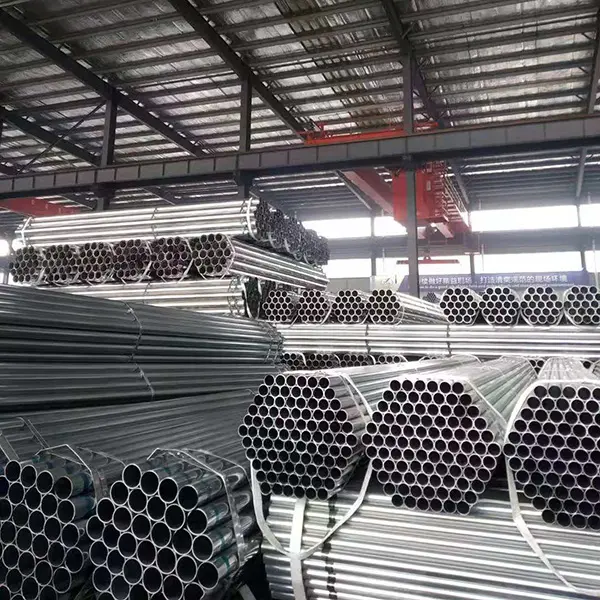
1 ½ inch galvanized steel pipe represents a fundamental component in fluid transfer systems across numerous industries, including plumbing, fire suppression, irrigation, and structural applications. Its designation, ‘galvanized’, signifies a protective zinc coating applied to a carbon steel base, providing corrosion resistance. The price of this piping is a critical factor for project budgeting and is influenced by material costs (zinc and steel), manufacturing processes, pipe schedule (wall thickness), market demand, and regional availability. This guide provides an in-depth technical analysis of 1 ½ inch galvanized pipe, encompassing its material science, manufacturing techniques, performance characteristics, failure modes, and relevant industry standards. A key pain point in the industry revolves around accurately predicting long-term performance and lifecycle costs due to variations in galvanization quality, potential for coating damage, and the aggressive nature of certain fluid media. Understanding these factors is crucial for informed material selection and ensuring system integrity.
Material Science & Manufacturing
The foundational material is typically ASTM A53 Grade B carbon steel, characterized by its tensile strength (typically 70,000 psi yield strength) and weldability. However, the defining characteristic is the galvanization process. Hot-dip galvanizing is the predominant method, immersing the steel pipe in a molten zinc bath (typically 98% pure zinc) after cleaning to remove mill scale and fluxing to promote adhesion. The metallurgical reaction creates a series of zinc-iron alloy layers, culminating in an outer layer of pure zinc. This provides a barrier against corrosion through sacrificial protection – the zinc corrodes preferentially to the steel. Manufacturing involves initial steel pipe production via electric resistance welding (ERW) or seamless processes. Key parameters include controlled cooling rates post-welding to minimize residual stresses, accurate dimensional control (diameter, wall thickness, straightness), and consistent zinc coating thickness (typically 0.002 inches minimum, adhering to ASTM A153 standards). Variations in silicon content within the steel can impact zinc adhesion; higher silicon levels can lead to a thicker, more brittle alloy layer. The quality of the cleaning and fluxing processes dramatically affects the final coating uniformity and longevity.
Performance & Engineering
The performance of 1 ½ inch galvanized pipe is heavily influenced by its schedule (e.g., Schedule 40, Schedule 80). Schedule dictates wall thickness and, consequently, the pipe's pressure-bearing capacity. Engineering calculations must adhere to ASME B31.1 for power piping, ASME B31.3 for process piping, and local plumbing codes. Corrosion resistance is paramount. While galvanization provides excellent protection in many environments, it's susceptible to degradation in highly acidic or alkaline conditions. The presence of chlorides (e.g., saltwater environments) accelerates corrosion, leading to ‘white rust’ (zinc corrosion products) and ultimately, steel corrosion. Finite Element Analysis (FEA) is often employed to assess stress concentrations at threaded connections, particularly under dynamic loading. Thread engagement length and torque specifications are critical to prevent stripping or leakage. Furthermore, thermal expansion and contraction must be considered in system design, employing expansion joints or looped configurations to mitigate stresses. The pipe's weight (approximately 12.8 lbs/ft for Schedule 40) also requires consideration for support structures and installation procedures.
Technical Specifications
| Nominal Pipe Size | Schedule | Outside Diameter (inches) | Wall Thickness (inches) | Weight (lbs/ft) | Yield Strength (psi) |
|---|---|---|---|---|---|
| 1 ½ | 40 | 1.900 | 0.083 | 12.8 | 70,000 |
| 1 ½ | 80 | 1.900 | 0.109 | 16.2 | 70,000 |
| 1 ½ | 100 | 1.900 | 0.138 | 19.5 | 70,000 |
| 1 ½ | XS | 1.900 | 0.154 | 21.3 | 70,000 |
| 1 ½ | 120 | 1.900 | 0.179 | 24.1 | 70,000 |
| 1 ½ | 160 | 1.900 | 0.220 | 28.8 | 70,000 |
Failure Mode & Maintenance
Common failure modes include: 1) Galvanic corrosion – accelerated by dissimilar metal contact (e.g., connecting to copper pipes without dielectric unions); 2) Pitting corrosion – localized corrosion due to chloride attack; 3) Crevice corrosion – occurring in shielded areas like threaded connections; 4) Fatigue cracking – under cyclic loading; 5) Thread stripping – due to improper installation or over-torquing. Maintenance protocols should include regular visual inspections for signs of corrosion (rust, white rust, blistering of the galvanization). Periodic testing of coating thickness using non-destructive methods (e.g., magnetic thickness gauges) is recommended. For systems exposed to harsh environments, supplemental corrosion protection measures (e.g., protective coatings, cathodic protection) may be necessary. Internal cleaning and flushing can remove sediment buildup and prevent localized corrosion. If localized corrosion is detected, repair options include patching with epoxy-based compounds or replacing the affected section of pipe. Proper grounding is essential to prevent stray current corrosion. Addressing leaks promptly is crucial to minimize further damage and prevent costly repairs. Regular preventative maintenance extends service life and reduces the total cost of ownership.
Industry FAQ
Q: What is the expected service life of a 1 ½ inch galvanized pipe in a typical freshwater plumbing system?
A: In a typical freshwater plumbing system with neutral pH and minimal chloride content, a properly installed and maintained 1 ½ inch galvanized pipe can have a service life of 40-60 years. However, this is highly dependent on water quality, galvanization coating thickness, and operating temperature. Regular inspections and water quality testing are crucial to assess long-term viability.
Q: How does the presence of chlorides in the transported fluid impact the corrosion rate of galvanized pipe?
A: Chlorides significantly accelerate corrosion in galvanized pipe. They penetrate the zinc coating, leading to pitting corrosion and eventual steel corrosion. The rate of corrosion increases exponentially with increasing chloride concentration. In saltwater environments or systems using softened water (which often contains chlorides from the ion exchange process), corrosion can occur much faster, potentially reducing service life to less than 10 years.
Q: What are the advantages of using Schedule 80 galvanized pipe over Schedule 40 for higher pressure applications?
A: Schedule 80 pipe has a thicker wall thickness than Schedule 40, resulting in a higher pressure rating. This provides increased mechanical strength and resistance to collapse under external loads. While Schedule 40 is suitable for many applications, Schedule 80 is preferred in systems subjected to higher pressures, significant water hammer, or demanding service conditions. The increased material cost is offset by the improved safety and reliability.
Q: Is it acceptable to directly connect galvanized pipe to copper pipe? What precautions should be taken?
A: Directly connecting galvanized pipe to copper pipe is not recommended due to galvanic corrosion. The dissimilar metals create a electrochemical cell, leading to accelerated corrosion of the more anodic metal (typically the galvanized steel). To prevent this, dielectric unions must be used to electrically isolate the two metals. These unions incorporate non-conductive materials to break the electrical path and mitigate corrosion.
Q: What are the typical causes of leaks at threaded connections in galvanized pipe and how can they be prevented?
A: Leaks at threaded connections can be caused by improper thread preparation (lack of sealant, damage to threads), insufficient tightening torque, or corrosion of the threads. Prevention involves using a suitable thread sealant (e.g., Teflon tape, pipe dope), applying the correct tightening torque (according to manufacturer's specifications), and ensuring threads are clean and free of debris. Periodic inspection and re-tightening of connections may be necessary to maintain a leak-free seal.
Conclusion
1 ½ inch galvanized pipe remains a cost-effective and reliable solution for many fluid transfer applications, provided its limitations are understood and addressed through proper material selection, installation, and maintenance. The longevity of galvanized steel piping hinges on the quality of the galvanization process, the characteristics of the conveyed fluid, and diligent adherence to industry best practices for corrosion prevention. Selecting the appropriate pipe schedule based on pressure requirements and performing regular inspections are crucial elements in maximizing service life and minimizing the risk of failure.
Future trends point towards increased use of alternative corrosion-resistant materials like stainless steel and cross-linked polyethylene (PEX) in certain applications. However, galvanized steel will continue to play a significant role, particularly in cost-sensitive projects and retrofit installations. Continued advancements in galvanization techniques (e.g., improved zinc alloys, pre-treatment processes) may further enhance the performance and durability of galvanized steel piping.