• customers
  • customers
  • customers


Rethinking Industrial Fluid Control

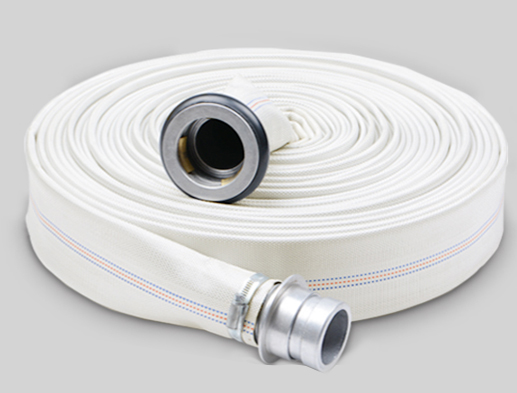
Every leading rubber hose cutting machine Manufacturer understands that the integrity of an industrial piping system begins long before the final connection is made. In sectors such as metallurgy, mining, and heavy manufacturing, fluid control systems are subjected to extreme pressure fluctuations and corrosive environments. While engineers often focus entirely on the material yield strength of the pipe fittings, catastrophic failures typically occur at the junction where the flexible hose meets the rigid fitting. Achieving a leak-proof, high-tolerance seal requires an uncompromising approach to both the fitting's design and the preliminary hose preparation.

The Anatomy of a Perfect Seal

A high-quality pipe fitting can only perform to its specifications if the internal braiding of the hose is perfectly exposed and cleanly cut. Irregular cuts or inadequate skiving leave excess rubber compounds that prevent the fitting's teeth from gripping the reinforcement layer effectively. This is where the underlying supply chain and processing equipment become critical. Advanced machining techniques are required to remove the outer jacket with consistent depth, ensuring that the fitting sits perfectly against the wire mesh.

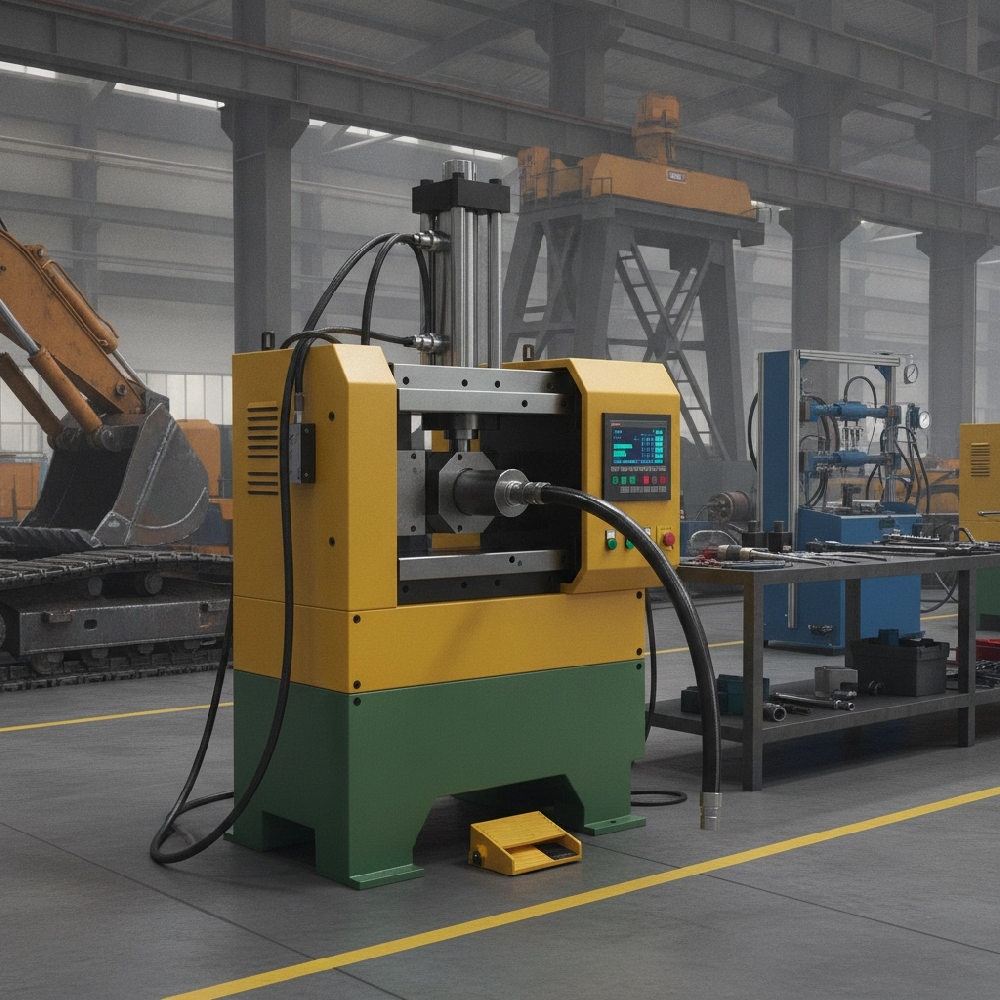
Precision Hose Assembly with Industrial Hose Crimper and Skiving

Leveraging Advanced Manufacturing Infrastructure

To eliminate human error and variable tolerances in fluid dynamics, modern assembly facilities are moving away from manual preparation. The implementation of an automated hydraulic hose pipe pressing machine guarantees that each connection achieves the exact crimping diameter required by CE-certified safety standards. By utilizing intelligent, data-driven processing equipment, supply chains can now ensure that every pipe fitting and hose assembly delivers long-term stability and resilience, ultimately protecting heavy industrial infrastructure from catastrophic blow-offs and costly downtime.


...

About Company

seamacpipefittings is a leading provider of high quality intelligent gas detection systems with patented technology that enable real-time safety and security threat detection. seamacpipefittings Systems products are popular with so many domestic and overseas customers. seamacpipefittings Systems offers a full line of wirelessly enabled solutions including hand-held & fixed instruments and alarm systems designed to safeguard the lives of on-site workers. seamacpipefittings is a leading provider of high quality intelligent gas detection systems with patented technology that enable real-time safety and security threat detection. seamacpipefittings Systems products are popular with so many domestic and...
View More

Featured Blogs

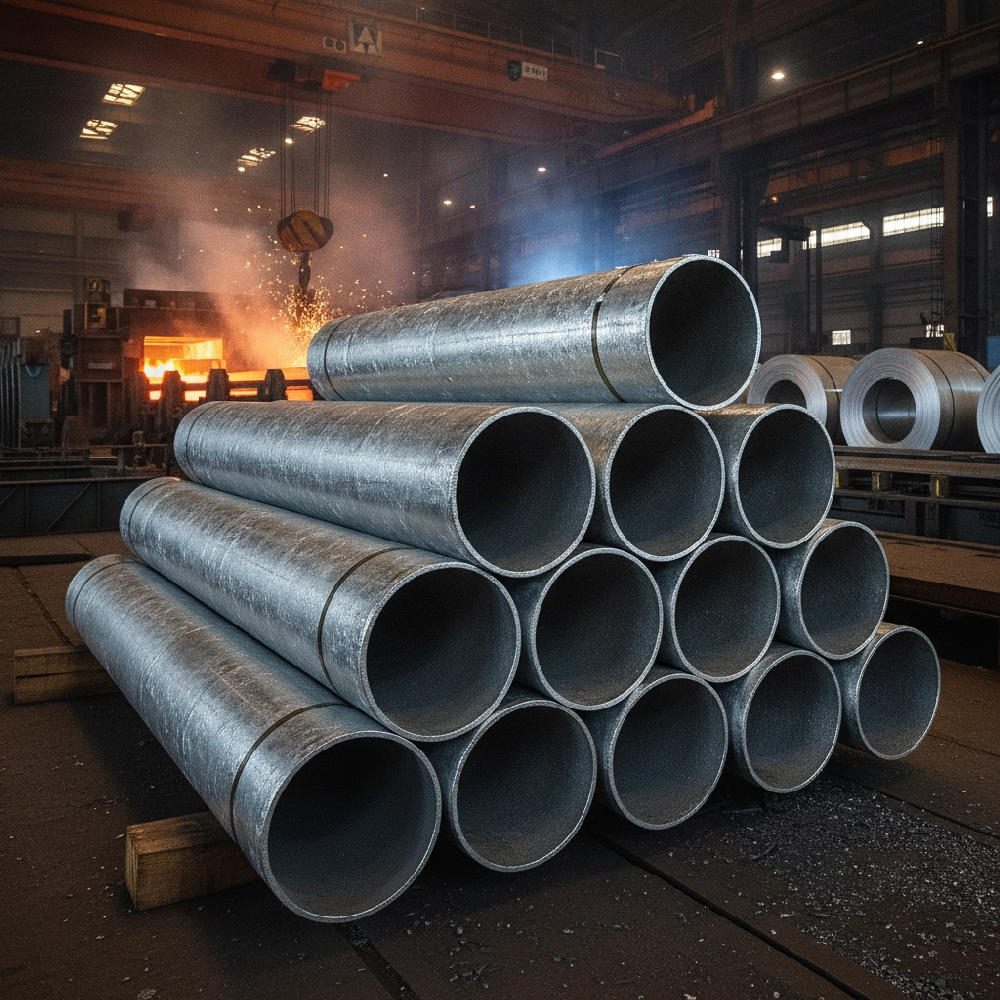
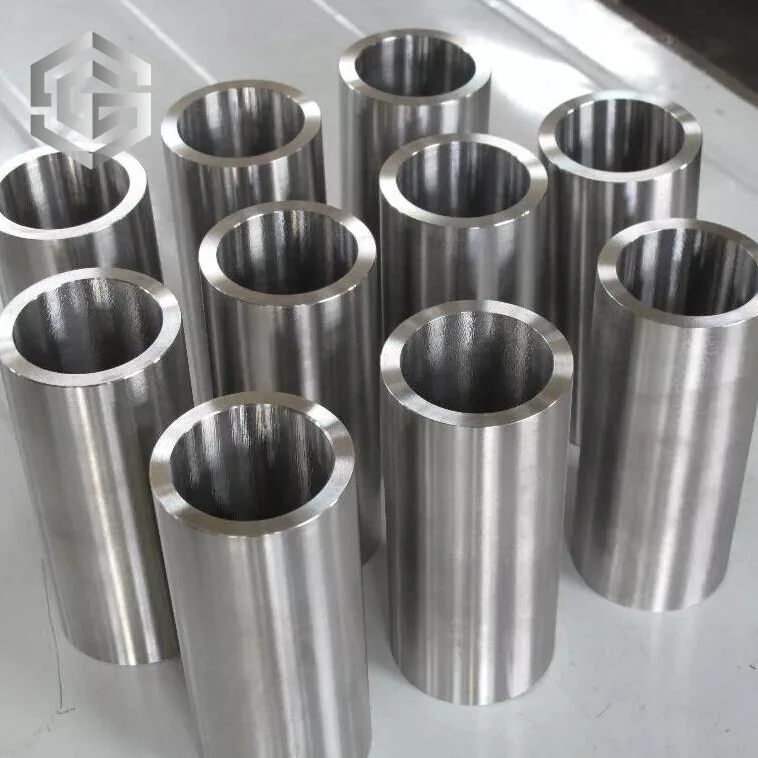
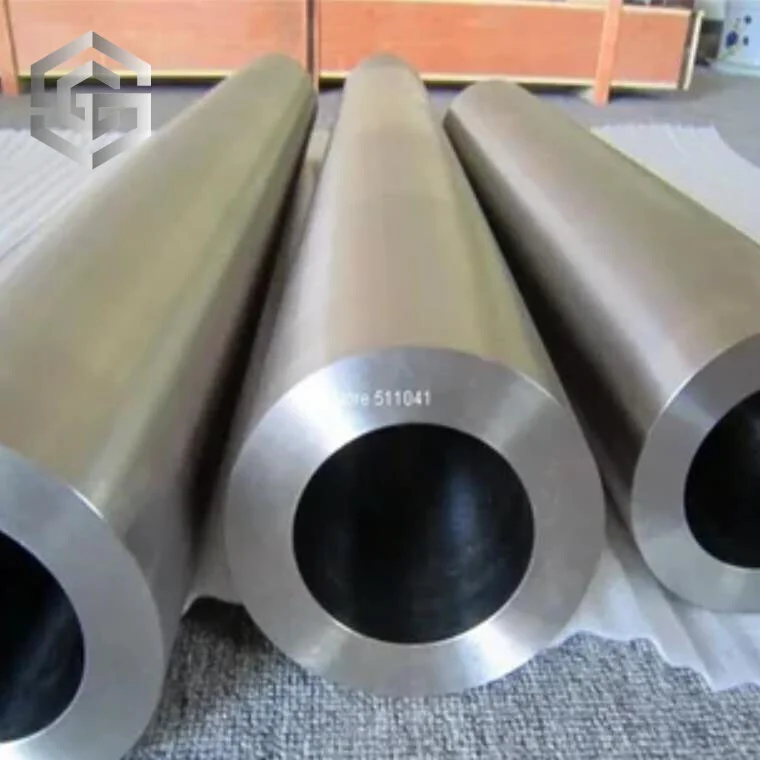
Specifying a proper Seamless Steel Pipe for high-pressure fluid transportation is the most critical phase in designing industrial refinery and chemical processing systems. Unlike welded alternatives, seamless structures eliminate the longitudinal seam, which is traditionally the weakest point under extreme pressure and temperature fluctuations. This seamless integrity is indispensable for safely managing volatile gases, corrosive chemicals, and high-temperature steam.

30278_astm-b338-titanium-tube-1777269451642258-20260628230451.png

Material Standards in Extreme Environments

Industrial piping systems must adhere strictly to frameworks such as ASTM and DIN to guarantee reliable performance. In offshore oil rigs and desalination plants, materials are subjected to constant chloride exposure. The precise chemical balance of the steel—particularly the chromium and molybdenum content—dictates the system's resistance to internal abrasion and external environmental wear. A minor deviation in wall thickness or alloy composition can lead to catastrophic failures in fluid containment.

Thermal Stability and Flow Efficiency

Another essential factor is thermal stability. Advanced piping materials maintain their structural rigidity at elevated temperatures, preventing warping that could compromise pipe fittings, flanges, and valves. Furthermore, precision-engineered inner surfaces reduce friction, thereby optimizing flow rates and minimizing the energy required for fluid pumping across long distances.

Strategic Procurement for Pipeline Integrity

Ensuring the long-term safety of a piping network relies entirely on the quality of the raw material source. Comprehensive Mill Test Certificates (MTC) and rigorous factory testing are mandatory to verify the mechanical properties of the batch. By integrating solutions from High Quality Seamless Steel Round Pipe Manufacturers, facility engineers can secure materials that not only meet stringent international safety standards but also deliver unparalleled durability for critical infrastructure.

...

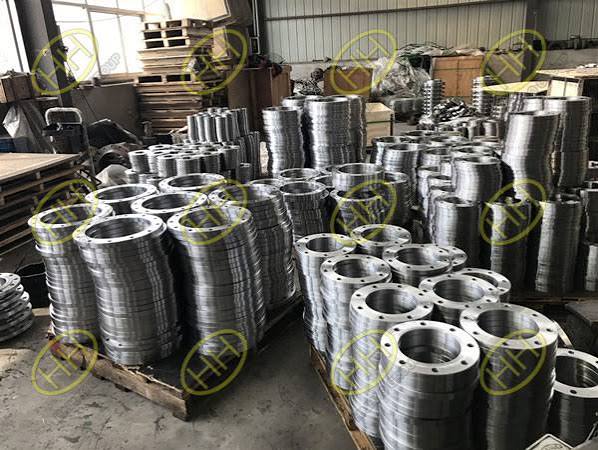
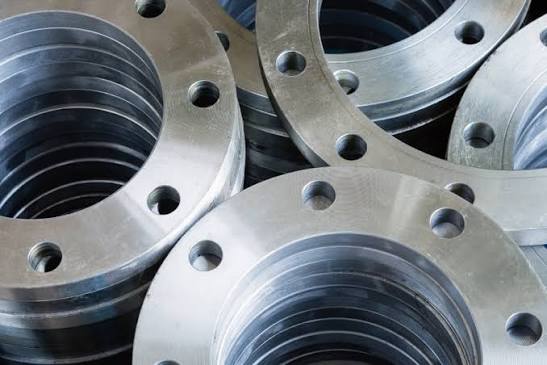
Sourcing components from a certified flange factory ensures leak-free pressure boundary containment across complex offshore processing platforms. Marine piping systems operate in harsh environments defined by salt spray exposure, dynamic wave action, and rapid fluid pressure surges. Flange connections represent critical mechanical joints where material defect or dimensional variance can trigger hazardous fluid weeping or joint displacement.

images (1).jpg


Naval architects and marine piping engineers prioritize uniform grain flow, high yield strength, and precise gasket surface machining to guarantee long-term joint integrity in marine and industrial applications.

Forging Dynamics and Grain Structure Optimization

Forged flanges exhibit mechanical properties far superior to cast alternatives due to structural plastic deformation under extreme forging pressure. Closed-die forging aligns the internal crystal grain flow along the physical contour of the flange ring, maximizing tensile strength, impact toughness, and resistance to fatigue cracking.

In high-pressure rating applications—such as Class 1500 to Class 2500 systems—forged carbon steel, alloy steel, and nickel-base alloys withstand extreme bolt-tightening torques and internal line pressure without structural warping. Proper solution annealing heat treatment further eliminates internal stress, ensuring microstructural uniformity across heavy flange hubs.

Sealing Geometry and Hydrostatic Sealing Efficiency

Achieving a reliable seal in pressurized fluid transport requires precise gasket seating face machining. Raised face (RF), ring-type joint (RTJ), and flat face (FF) geometries dictate gasket compression dynamics. Serrated concentric or spiral finish grooves on raised face flanges deform the soft gasket material into microscopic metal ridges, blocking potential fluid leak paths.

For high-pressure gas or corrosive chemical lines, ring-type joint flanges utilize precision-machined metallic octagonal or oval ring gaskets that sit in specialized trapezoidal grooves, creating a high-integrity metal-to-metal interference seal capable of handling severe thermal cycling.

Supply Chain Coordination in Marine and Offshore Projects

Executing marine vessel construction and offshore drilling projects demands strict material verification and non-destructive testing (NDT) capabilities. Shipbuilding yards and EPC contractors collaborate with an advanced supplier capable of delivering fully certified pressure piping components backed by ISO, PED, and class society approvals.

Partnering with a specialized pipe fittings manufacturer equips engineering teams with bimetallic clad fittings, heavy-wall forged elbows, and custom gas manifolds tailored to restricted shipboard spaces. Working alongside a high-quality provider ensures complete non-destructive ultrasonic and magnetic particle inspection across all delivered items.

Lifecycle Optimization in Harsh Marine Operations

Specifying high-integrity forged flanges and heavy-wall fittings drastically reduces maintenance downtime and environmental leakage risks in marine engineering. By combining robust forging metallurgy with advanced corrosion-resistant inner linings, facility operators safeguard critical pressure systems across multi-decade service lifespans.

...

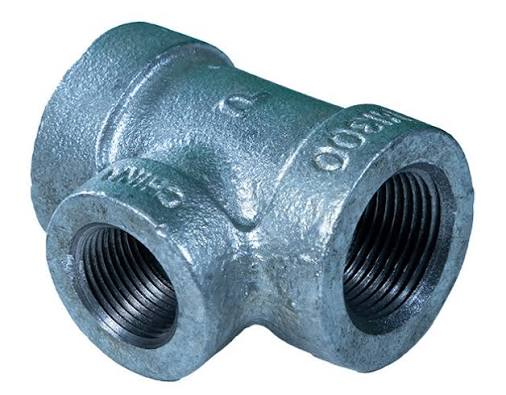
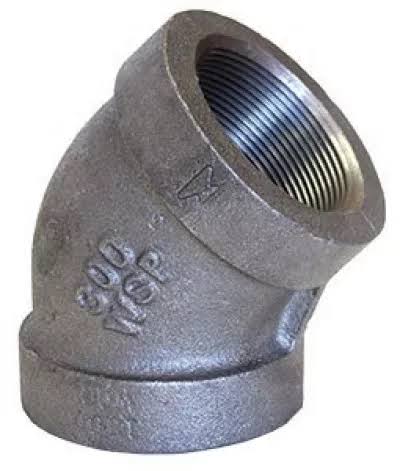
In high-pressure marine environments, class 300 pipe fittings serve as essential pressure boundary components. Marine piping architectures operate under extreme conditions characterized by salt spray exposure, continuous mechanical vibration, and rapid fluid pressure surges. Failure at a single threaded junction can result in fluid leaks, system pressure loss, or catastrophic operational downtime in critical offshore operations.


images (6).jpg


To withstand these severe operational dynamics, naval architects and industrial piping engineers prioritize material ductility, corrosion resistance, and precise thread geometry. Malleable iron and high-grade bronze alloys represent the benchmark materials for pressure-containing fittings where high tensile strength and impact absorption are essential requirements.

Metallurgical Properties and Mechanical Resiliency under Stress

Malleable iron fittings are manufactured through a controlled annealing heat-treatment process that converts brittle white iron into a matrix containing nodular graphite. This metallurgical transformation imparts superior tensile strength and elongation characteristics, allowing the fittings to deform slightly under thermal expansion or structural shock without cracking. This mechanical ductility is crucial in marine and industrial processing plants where piping networks undergo continuous expansion and contraction cycles.

Furthermore, surface treatment plays a pivotal role in prolonging component service life. Hot-dipped galvanizing creates a multi-layered zinc-iron alloy coating that provides both barrier protection and sacrificial anodic protection against aggressive marine environments. When combined with rigorous thread inspection standards, galvanized malleable iron fittings maintain reliable seals over decades of continuous duty.

Standardization and Interoperability across Global Fleet Infrastructure

Global shipping and international industrial projects require complete standardization to ensure seamless repair and component replacement. Thread profiles compliant with ANSI B 16.3, NPT, and BSP standards guarantee tight mechanical engagement and prevent thread stripping under heavy torque. Standardized dimensions allow engineering teams to execute routine maintenance swiftly without custom machining delays.

Quality assurance standards such as UL, FM, and ISO 9001 certifications provide non-negotiable benchmarks for pressure rating compliance. Ensuring that every fitting undergoes hydrostatic and dimensional verification guarantees that system pressure parameters remain fully safeguarded during peak hydraulic demand cycles.

Integrating Premium Components into Global Supply Chains

Maintaining uninterrupted production in complex industrial facilities requires an established supply network capable of providing standardized, high-performance components. Industrial contractors routinely depend on a beaded malleable iron pipe fitting selection to reinforce high-stress junctions across fluid distribution networks, ensuring high mechanical safety margins.

Working alongside an advanced supplier equips engineering teams with automated DISA production precision, uniform thread pitch alignment, and high-volume delivery capacity. This technical coordination between material foundry innovation and site installation standards ensures robust, leak-free performance across critical marine and heavy industry infrastructure.

Long-Term System Performance and Preventative Maintenance Strategy

Implementing strict quality criteria during initial component procurement drastically lowers long-term operational expenditures. By combining high-grade ductile materials with appropriate thread sealants and routine ultrasonic corrosion testing, plant managers can safeguard pressure systems against environmental degradation, preserving plant safety and system efficiency.

...

Threaded-Flange-20260714015436_png.png

Partnering with a high quality socket weld elbow company is an absolute engineering necessity for naval architects and marine engineers designing fluid systems for ocean-going vessels. In the highly demanding sectors of deep-sea shipbuilding, offshore oil rig construction, and heavy aerospace manufacturing, piping networks are subjected to some of the most brutal environmental and mechanical conditions on the planet. These connection points—whether they are heavy-duty flanges, forged elbows, or reinforced tees—must constantly battle extreme internal hydrostatic pressures, violent thermal expansion, continuous heavy mechanical vibration, and relentless high-salinity corrosive atmospheres. In these mission-critical environments, precision engineering is the only barrier between safe operation and catastrophic failure.

The Menace of High-Frequency Mechanical Vibration

Inside the confined engine room of a massive cargo ship or deep-water drilling platform, the environment is dominated by the deafening roar and intense vibration of massive marine diesel engines, turbines, and heavy-duty centrifugal pumps. This high-frequency mechanical vibration is the ultimate enemy of pipeline integrity.

Historically, some utility lines utilized threaded flanges for their ease of maintenance in tight spaces. However, the maritime industry has learned through harsh experience that threaded connections are exceptionally vulnerable to vibration. The constant micro-movements gradually back the threads out, destroying the gasket's sealing force. Furthermore, the sharp roots of the internal threads act as massive stress concentration zones, where vibrational fatigue rapidly initiates microscopic cracks. In the highly corrosive marine atmosphere, these cracks propagate with terrifying speed, leading to sudden, pressurized leaks of volatile marine diesel or super-heated steam.

The Superiority of Socket Welded Architectures

To completely neutralize the threat of vibration-induced fatigue in small-diameter, high-pressure piping (typically NPS 2" and smaller), marine engineers strictly mandate the use of socket-welded fittings. When a shipbuilder procures components from a high quality socket welded tee factory, they are investing in ultimate joint rigidity.

During installation, the pipe is inserted deep into the recessed area (the socket) of the forged fitting. A highly skilled welder then applies a heavy, continuous fillet weld around the exterior junction. This design creates a joint with exceptional structural integrity, vastly superior fatigue resistance, and absolute leak-proof characteristics. The socket design also ensures perfect self-alignment of the pipe during welding, preventing the creation of internal weld spatter (icicles) that could break off and destroy sensitive downstream turbines or high-pressure hydraulic valves.

Metallurgy and Corrosion Resistance

Beyond mechanical strength, heavy industrial applications demand elite metallurgy. Saltwater and marine atmospheres rapidly destroy standard carbon steel. Advanced marine piping systems heavily utilize specialized alloys such as 316L Stainless Steel, Cupro-Nickel, or Super Duplex alloys. The fittings must perfectly match the pipe's metallurgy to prevent galvanic corrosion at the weld zone.

Elevating the Global Supply Chain

For shipyards and offshore EPC contractors, supply chain reliability is just as important as the engineering itself. When sourcing the thousands of heavy-duty fittings currently for sale for a massive marine project, buyers cannot afford to gamble on unverified manufacturers. Relying on elite global Suppliers is mandatory. An advanced supplier, operating as a premium manufacturer, guarantees that every single forged elbow, tee, and flange is accompanied by rigorous MTCs (Mill Test Certificates) and conforms strictly to ASME B16.11 standards. By integrating uncompromising metallurgical quality with vibration-proof socket-welded designs, heavy industry can construct marine vessels and offshore platforms capable of conquering the most hostile environments on earth safely and efficiently.


...
seamless steel pipe manufacturing process

Introduction

Seamless steel pipe is a fundamental component in numerous industrial applications, ranging from high-pressure pipelines and oil & gas extraction to construction and automotive manufacturing. Unlike welded steel pipe, seamless pipe is manufactured without a weld seam, providing superior strength, pressure handling capability, and resistance to corrosion. Its production relies on specialized processes – primarily hot rolling and extrusion – demanding stringent material control and precise engineering. This guide provides a comprehensive technical overview of seamless steel pipe manufacturing, encompassing material science, production methods, performance characteristics, failure modes, and relevant industry standards. The core pain points addressed include maintaining dimensional accuracy, ensuring consistent mechanical properties, mitigating susceptibility to defects like inclusions and lamination, and achieving cost-effective production without compromising quality. Ultimately, a thorough understanding of these aspects is critical for procurement managers, engineers, and quality control professionals involved in specifying, utilizing, and inspecting seamless steel pipe.

Material Science & Manufacturing

The primary raw material for seamless steel pipe is carbon steel, alloy steel, or stainless steel. The specific grade dictates the pipe’s properties and application. Carbon steel offers good strength and weldability, while alloy steels (containing elements like chromium, molybdenum, and nickel) provide enhanced strength, toughness, and corrosion resistance. Stainless steel, with its high chromium content, delivers superior corrosion protection. The manufacturing process typically begins with a solid billet of steel heated to a high temperature (typically 1200-1300°C). Two primary methods are then employed: Hot Rolling: The billet is pierced to create a hollow tube, and subsequently rolled over mandrels and dies to achieve the desired dimensions and wall thickness. Key parameters include rolling speed, temperature control, and mandrel reduction ratios. Precise temperature control is crucial to avoid microstructural imperfections. Extrusion: The heated billet is forced through a die, creating a seamless tube. Extrusion is often used for producing pipes with complex geometries or specialized alloys. Critical parameters here are extrusion pressure, die design, and billet temperature. Following either process, the pipe undergoes finishing operations, including normalizing, pickling, oiling, and hydrostatic testing. The normalizing process refines the grain structure, improving mechanical properties. Pickling removes surface scale, and oiling provides corrosion protection during storage and transport. Hydrostatic testing verifies the pipe’s ability to withstand internal pressure. Chemical composition is carefully monitored throughout the process using techniques like Optical Emission Spectroscopy (OES) to ensure adherence to specified standards.

seamless steel pipe manufacturing process

Performance & Engineering

The performance of seamless steel pipe is primarily characterized by its mechanical properties, corrosion resistance, and pressure handling capability. Mechanical Properties: Yield strength, tensile strength, and elongation are crucial parameters. These are determined by the steel grade, heat treatment, and manufacturing process. Finite Element Analysis (FEA) is routinely employed to model stress distribution under various loading conditions, optimizing pipe dimensions for specific applications. Corrosion Resistance: This is dependent on the steel alloy composition and the operating environment. For corrosive environments, alloy steels containing chromium, nickel, and molybdenum, or stainless steel grades, are selected. Protective coatings, such as epoxy or polyethylene, can be applied to enhance corrosion resistance. Pressure Handling Capability: Calculated based on Barlow's formula (P = 2St/D, where P is pressure, S is tensile strength, t is wall thickness, and D is outer diameter), this dictates the maximum allowable pressure the pipe can withstand. Detailed stress analysis, considering factors like temperature and cyclic loading, is performed to ensure structural integrity. Furthermore, the pipe must comply with relevant industry codes and standards regarding hydrostatic testing and non-destructive examination (NDE), such as ultrasonic testing (UT) and radiographic testing (RT), to identify any internal or surface defects. Compliance with standards like API 5L and ASTM A53 is paramount for ensuring safety and reliability.

Technical Specifications

Parameter ASTM A53 Grade B ASTM A106 Grade B API 5L X42 ASTM A335 P11
Yield Strength (MPa) 240 250 345 205
Tensile Strength (MPa) 400 415 485 380
Elongation (%) 23 22 21 18
Wall Thickness (mm) 2-25 2-25 2-25 2-25
Outer Diameter (mm) 10-660 10-660 10-1220 10-660
Maximum Carbon Equivalent (%CE) 0.31 0.31 0.45 0.35

Failure Mode & Maintenance

Seamless steel pipes are susceptible to several failure modes, depending on the operating environment and application. Corrosion: Uniform corrosion, pitting corrosion, and crevice corrosion can all lead to material loss and eventual failure. Mitigation strategies include using corrosion-resistant alloys, applying protective coatings, and implementing cathodic protection systems. Fatigue Cracking: Cyclic loading can initiate cracks, particularly at stress concentration points such as welds or dents. Regular inspection using non-destructive testing (NDT) methods, such as ultrasonic testing and magnetic particle inspection, is crucial. Stress Corrosion Cracking (SCC): Occurs when tensile stress is combined with a corrosive environment. Selecting appropriate materials and minimizing stress levels are essential preventative measures. Erosion Corrosion: Caused by the abrasive action of fluids containing solid particles. Using erosion-resistant materials and controlling fluid velocity can reduce the risk. Defect-Related Failures: Inclusions, laminations, and other manufacturing defects can serve as crack initiation sites. Rigorous quality control during manufacturing and thorough NDT inspection are vital. Maintenance: Regular inspections, cleaning, and application of protective coatings are essential for maintaining the integrity of seamless steel pipes. Internal inspections using robotic crawlers with NDT sensors can detect corrosion and cracking in inaccessible areas. Repair procedures, such as weld overlays or composite wrapping, can be employed to address localized defects.

Industry FAQ

Q: What is the primary advantage of seamless pipe over welded pipe in high-pressure applications?

A: Seamless pipe offers superior strength and pressure handling capability due to the absence of a weld seam, which is a potential point of failure under high stress. The homogenous structure of seamless pipe provides uniform mechanical properties and reduces the risk of crack initiation and propagation.

Q: How does the manufacturing process impact the grain structure of seamless steel pipe, and why is this important?

A: The hot rolling and extrusion processes influence the grain size and orientation. Controlled cooling rates during these processes are essential to achieve a fine-grained structure, which enhances toughness and ductility. A coarse-grained structure can lead to reduced fracture toughness and increased susceptibility to cracking.

Q: What non-destructive testing (NDT) methods are commonly used to assess the quality of seamless steel pipe?

A: Common NDT methods include Ultrasonic Testing (UT) for detecting internal flaws, Radiographic Testing (RT) for identifying volumetric defects, Magnetic Particle Inspection (MPI) for detecting surface and near-surface cracks, and Liquid Penetrant Inspection (LPI) for detecting surface discontinuities. Eddy current testing is also used for detecting surface defects and measuring wall thickness.

Q: What are the implications of exceeding the specified maximum allowable pressure for seamless steel pipe?

A: Exceeding the maximum allowable pressure can lead to plastic deformation, yielding, and ultimately, catastrophic failure of the pipe. This can result in significant safety hazards, environmental damage, and costly downtime. Accurate pressure calculations and adherence to safety factors are crucial.

Q: How does the carbon equivalent (CE) value influence the weldability of seamless steel pipe?

A: A higher carbon equivalent (CE) value indicates a greater concentration of alloying elements that can promote hardening and reduce weldability. Pipes with higher CE values require more careful welding procedures, preheating, and post-weld heat treatment to prevent cracking.

Conclusion

Seamless steel pipe manufacturing is a complex process requiring precise control of material properties, manufacturing parameters, and quality assurance procedures. The absence of a weld seam provides significant advantages in terms of strength, pressure handling, and reliability, making it the preferred choice for critical applications. Understanding the material science fundamentals, manufacturing techniques, and potential failure modes is paramount for ensuring the safe and efficient operation of pipelines and other systems utilizing this essential industrial component.

Future advancements in seamless steel pipe technology will likely focus on developing higher-strength alloys, optimizing manufacturing processes to reduce costs and improve efficiency, and implementing advanced inspection techniques to detect defects at earlier stages. Continued research into corrosion-resistant coatings and materials will also be critical for extending the service life of seamless steel pipe in harsh environments. The increasing demand for reliable and durable piping systems will drive further innovation in this vital industry.

Standards & Regulations: API 5L (Specification for Line Pipe), ASTM A53 (Standard Specification for Pipe, Steel, Black and Galvanized), ASTM A106 (Standard Specification for Seamless Carbon Steel Pipe for High-Temperature Service), ASTM A335 (Standard Specification for Seamless Alloy-Steel Pipe for High-Temperature Service), ISO 3183 (Petroleum and natural gas industries – Pipeline systems – Steel pipes for pipelines), EN 10208-1 (Steel pipes for pipelines – Part 1: Non-alloy and alloy steels with room temperature toughness), GB/T 8163 (Seamless steel pipe for fluid transport).

...
INQUIRY NOW
INQUIRY NOW