
FRP Grating has emerged as a cornerstone material in the pipe fittings sector, offering enhanced structural support and corrosion resistance that traditional metals cannot match. As industries from petrochemical to water treatment demand longer-lasting infrastructure, the shift toward fiberglass-reinforced composites is accelerating. This change is not merely cosmetic—it addresses fundamental challenges related to maintenance, safety, and lifecycle costs in piping systems.
The Growing Demand for Corrosion-Resistant Materials in Pipe Fittings
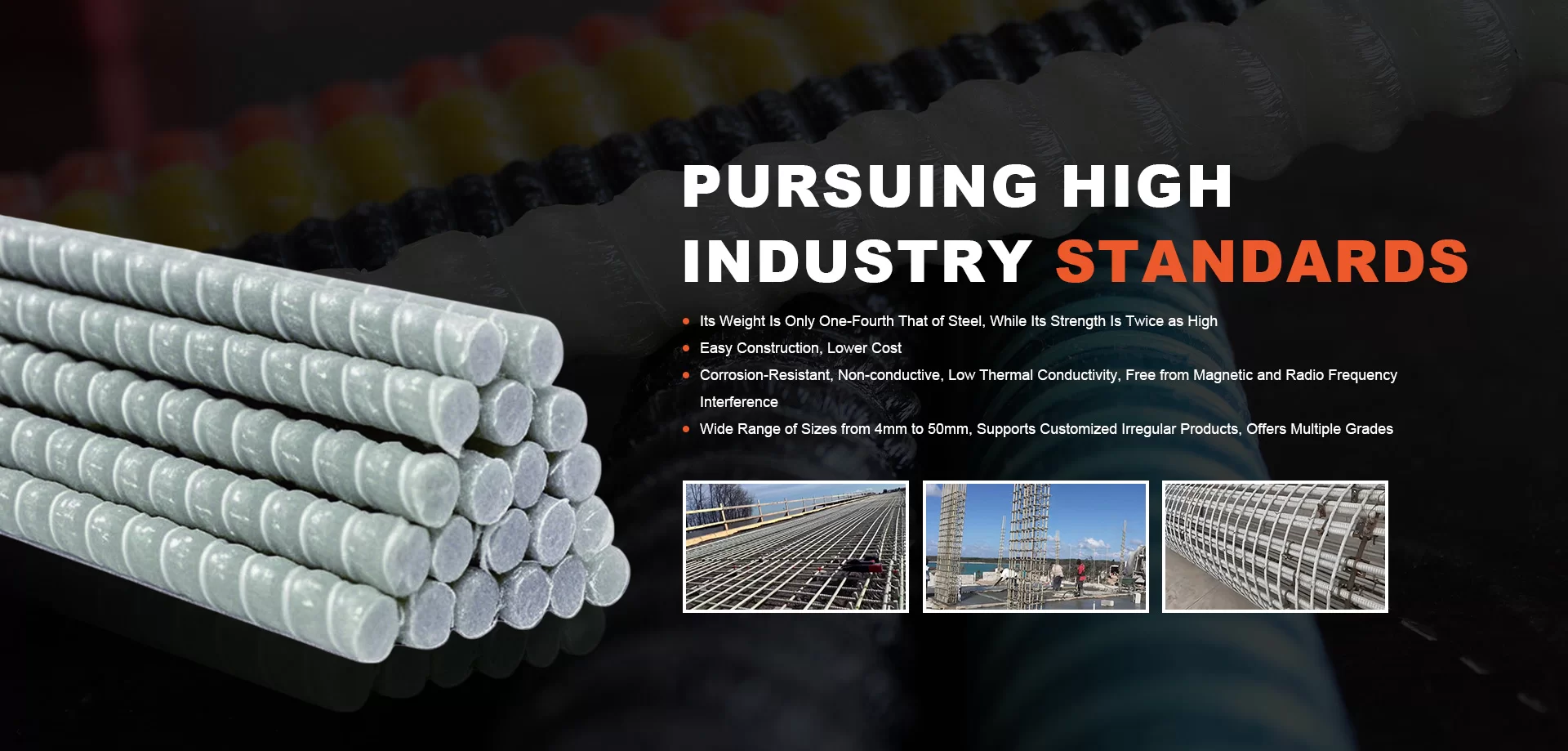
The pipe fittings industry has long grappled with corrosion, especially in environments exposed to chemicals, saltwater, or high humidity. Traditional carbon steel and even stainless steel can degrade over time, leading to leaks, failures, and costly shutdowns. Fiberglass composites, particularly those reinforced with glass fibers, offer a non-metallic alternative that resists electrochemical corrosion and maintains integrity under harsh conditions. This property alone is driving adoption across oil and gas, marine, and wastewater treatment facilities.
Moreover, regulatory pressures for safer and more sustainable operations are pushing engineers to specify materials that reduce environmental impact and extend maintenance intervals. FRP components, such as grating and structural profiles, help meet these standards by providing lightweight yet robust solutions that are easy to install and require minimal upkeep.
Design Flexibility and Structural Advantages of Fiberglass Composites
One of the most compelling benefits of fiberglass composites is their design versatility. Unlike metal, fiberglass can be molded into complex shapes and profiles without sacrificing strength. This is particularly valuable in pipe fittings where custom geometries are often required to accommodate space constraints or fluid dynamics. For instance, Fiberglass U Channel sections are increasingly used as supports and framing in pipe racks, offering high load-bearing capacity with reduced weight compared to steel channels.
The pultrusion process used to manufacture these profiles ensures consistent quality and mechanical properties, making them suitable for both primary structural elements and secondary reinforcement. Engineers value the fatigue resistance and dimensional stability of fiberglass composites, especially in applications exposed to cyclic loading or thermal expansion. These attributes help extend the service life of piping systems while minimizing the risk of catastrophic failure.
Installation Efficiency and Lifecycle Cost Savings
From a project execution perspective, fiberglass composites offer significant advantages in installation speed and labor cost. Because FRP gratings and channels are lightweight, they can be handled manually without heavy lifting equipment, reducing downtime and improving on-site safety. The modular nature of these components also simplifies layout changes and expansions, which is a common requirement in evolving industrial facilities.
Over the long term, the non-corrosive nature of fiberglass translates to lower maintenance expenses and fewer replacements. Lifecycle cost analyses consistently show that FRP systems outperform metal alternatives in environments where corrosion is a concern, with payback periods often measured in months rather than years. This economic rationale, combined with technical performance, is convincing more specification engineers to incorporate composite materials into their pipe fitting designs.
Industry Applications and Future Outlook
The adoption of fiberglass composites in pipe fittings is already visible in diverse sectors. In the chemical processing industry, FRP gratings are standard for walkways and platforms above corrosive liquids. In municipal water and wastewater plants, fiberglass channels support piping in wet wells and clarifiers. As global infrastructure ages and investment in durable materials increases, the role of composites is expected to expand further.
Material innovations, including hybrid reinforcements and advanced resin systems, promise even greater performance characteristics in the coming years. The pipe fittings industry stands to benefit from these developments, gaining access to products that combine strength, durability, and cost efficiency in ways that were previously unattainable. For stakeholders committed to long-term reliability, fiberglass composites represent not just an alternative but a strategic upgrade.
