
Graphite Block technology is quietly transforming how pipe fitting manufacturers approach high-temperature production challenges. As industrial processes demand greater precision and durability, the materials used in manufacturing equipment have become just as critical as the fittings themselves. This shift has prompted a closer look at how specialized carbon-based materials support the production of high-performance pipe fittings for demanding applications across energy, chemical processing, and infrastructure sectors.
Modern pipe fittings must withstand extreme temperatures, corrosive media, and high-pressure environments while maintaining leak-free performance for decades. Manufacturers have responded by advancing their casting, forging, and heat-treatment processes, yet the unsung enablers of these improvements are often the refractory materials that line furnaces, support electrodes, and contain molten alloys during production.
The Growing Demands on Modern Pipe Fittings
Pipeline infrastructure is under more stress than ever before. From superheated steam lines in power plants to aggressive chemical feeds in refineries, pipe fittings must maintain dimensional stability and sealing integrity under conditions that would degrade ordinary metals. This has driven specification upgrades across the industry, with end users increasingly requiring fittings manufactured using controlled thermal processes that reduce microstructural defects and improve creep resistance.
Industry standards such as ASME B16.9 and ASTM material specifications continue to tighten, pushing fabricators to adopt more sophisticated heat-treatment cycles and casting procedures. The consistency of these thermal operations depends heavily on the performance of the furnace components and crucibles used during melting and alloying stages.
How Material Science Supports Fitting Reliability
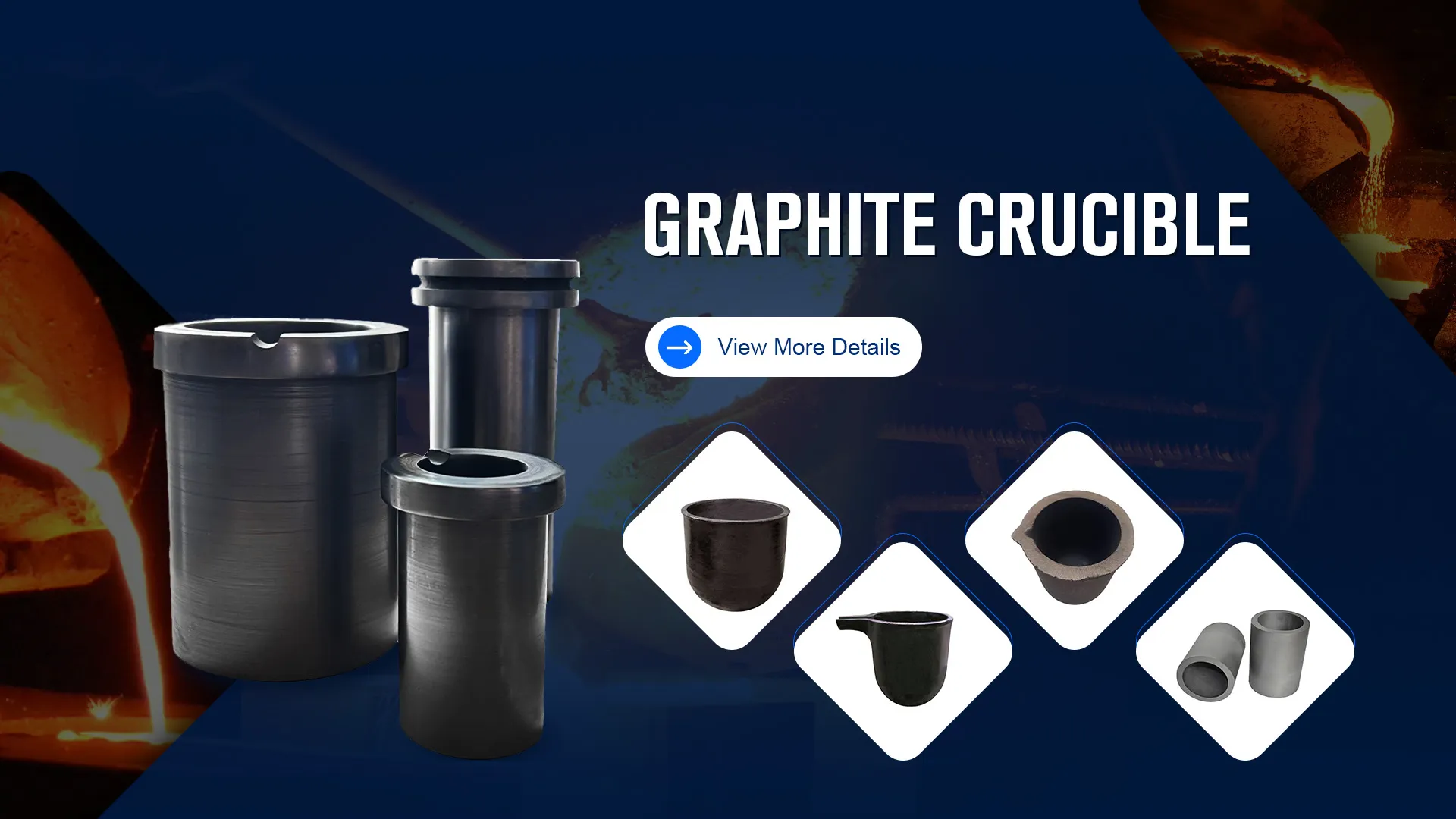
The journey from raw metal to finished fitting involves multiple high-temperature steps: melting, alloying, casting, solution annealing, and stress relief. Each stage requires precise thermal management. Graphite Crucible vessels are widely employed in foundry operations for melting ferrous and non-ferrous alloys because of their exceptional thermal conductivity, resistance to thermal shock, and chemical inertness at elevated temperatures. Unlike ceramic alternatives, graphite crucibles heat rapidly and uniformly, reducing energy consumption while improving melt consistency.
Similarly, graphite electrodes and rods are used in electric arc furnaces and resistance heating setups that perform solution heat treatment on finished fittings. The dimensional stability of these graphite elements directly affects the temperature uniformity inside the furnace, which in turn determines whether every fitting in a batch achieves the required mechanical properties.
Precision Manufacturing in Demanding Environments
Manufacturers of high-integrity pipe fittings have learned that consistent quality begins not at the machining center but inside the furnace. The selection of refractory materials influences heating rates, temperature gradients, and cooling profiles — all of which affect grain structure and residual stress in the final product. Graphite blocks, for instance, are often used as furnace linings and backing supports in induction heating stations, providing a stable, non-contaminating surface that resists cracking even after thousands of thermal cycles.
In sectors such as offshore oil and gas, where fittings must survive corrosive seawater environments and high-pressure gas flows, any variability in material properties can lead to premature failure. The traceability of thermal processing conditions has become a regulatory requirement under standards like NORSOK and API 6A, making the reliability of furnace components a compliance issue as well as a quality concern.
The Future of Pipe Fitting Production
As the industry moves toward net-zero manufacturing goals, energy-efficient thermal processes are gaining traction. Graphite-based furnace components offer lower thermal mass compared to traditional refractory ceramics, meaning furnaces can reach operating temperature faster and cool down more quickly between cycles. This translates directly into energy savings and increased throughput for fitting manufacturers.
Advanced carbon materials are also being explored for use in additive manufacturing and powder metallurgy routes for producing complex fitting geometries. Graphite substrates and sintering trays are already used in vacuum furnaces for powder-based methods, suggesting a continued synergy between graphite engineering and fitting innovation.
Quality Assurance Through Process Control
For pipe fitting buyers and specifiers, the message is clear: the quality of the finished product is inseparable from the quality of the production process. Furnace temperature uniformity, melt cleanliness, and heat-treatment repeatability are all influenced by the graphite components used in the manufacturing chain. Suppliers who invest in high-grade graphite blocks, crucibles, and rods are better positioned to deliver fittings that meet the most stringent acceptance criteria.
Third-party testing laboratories increasingly recommend that fabricators document not only the chemistry and mechanicals of their fittings but also the thermal process parameters. This level of transparency builds trust across the supply chain and helps end users make informed decisions when selecting fitting suppliers for critical infrastructure projects.
As the pipe fitting industry continues to raise performance benchmarks, the behind-the-scenes role of specialty graphite materials will only grow in importance. Manufacturers who understand this connection are better equipped to produce fittings that stand up to the toughest operating conditions — delivering reliability that extends from the foundry floor to the end user's installation.
