
Filter Strainer selection is a foundational aspect of industrial piping system design. These components protect downstream equipment by removing particulates that can cause erosion, clogging, or operational failure. In process industries where uptime is paramount, the specification of reliable filtration and flow control components directly impacts overall system performance and longevity.
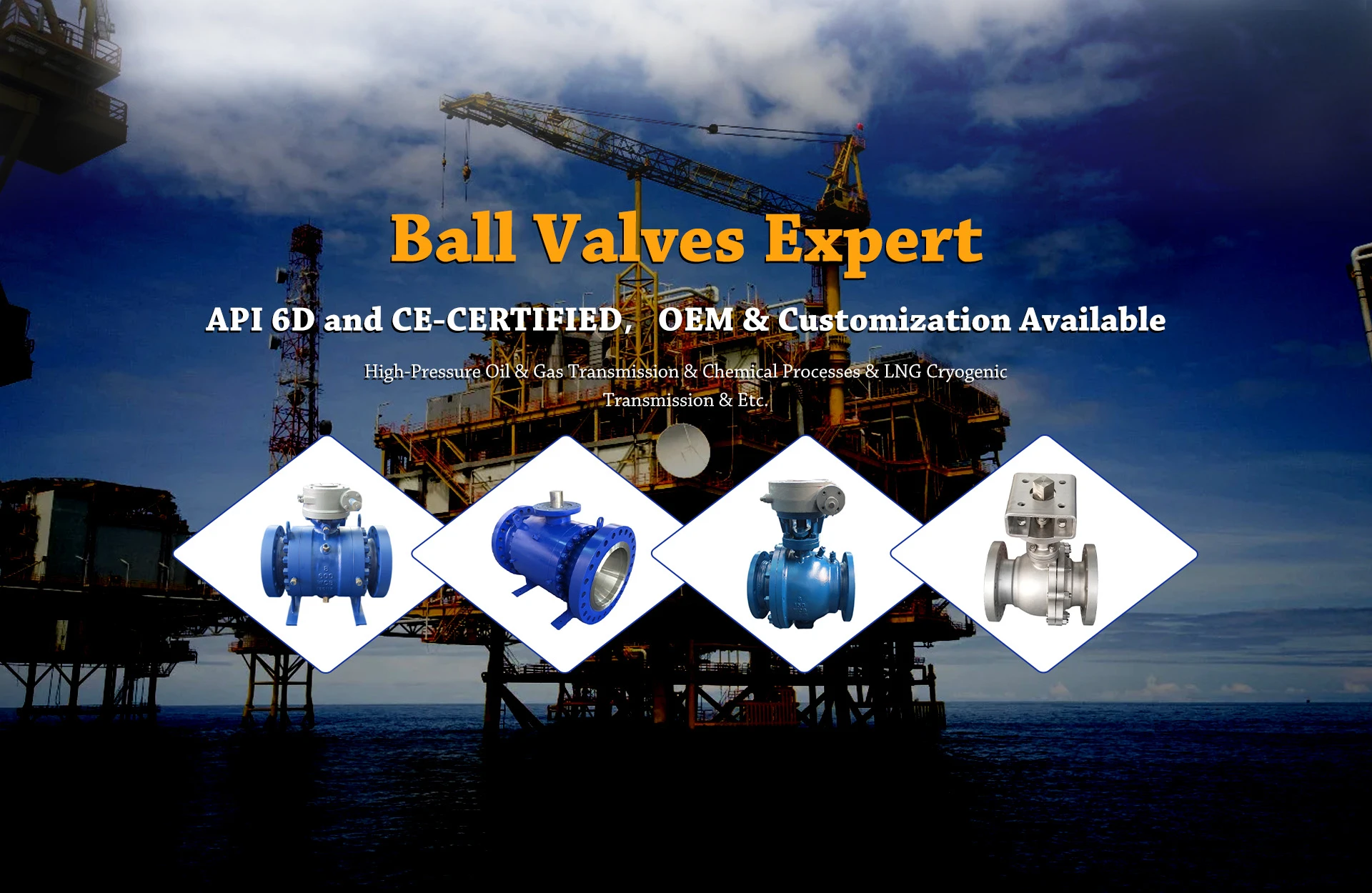
Industrial piping networks are complex ecosystems where each component must work in harmony. From the pipes themselves to the fittings, valves, and specialty devices, every element contributes to the safe and efficient transport of fluids. Engineers and plant operators increasingly recognize that component quality is not merely a procurement consideration but a strategic factor in operational reliability.
The Role of Filtration in Protecting Piping Systems
Filtration devices such as strainers are essential for removing debris, scale, and other contaminants from process fluids. Without proper filtration, particulates can accelerate wear in pumps, damage valve seats, and compromise instrumentation accuracy. In critical applications like petrochemical processing or power generation, the cost of unplanned downtime far outweighs the investment in quality filtration equipment.
Modern strainer designs incorporate advanced materials and precision machining to achieve optimal flow characteristics while maintaining structural integrity under high-pressure conditions. The selection of appropriate mesh sizes, body materials, and connection types requires careful consideration of specific process parameters and fluid properties to ensure long-term reliability.
Pressure Management and System Safety
Pressure management is a critical aspect of piping system design, and Safety valves serve as the ultimate safeguard against overpressure events. These devices are engineered to automatically relieve excess pressure, protecting personnel, equipment, and the environment from potentially catastrophic failures. Industry standards such as ASME Section VIII and API 520 provide rigorous guidelines for the selection, sizing, and installation of safety valves in industrial applications.
Beyond safety valves, pressure regulation and control valves work in concert to maintain stable operating conditions. The integration of these devices into a coherent system architecture requires expertise in fluid dynamics, materials science, and control system design. Manufacturers with deep engineering capabilities, such as Savvy Valves, bring valuable experience to the development of integrated valve solutions that meet the specific demands of each application.
Valve Selection for Optimal System Performance
Valves are the workhorses of any piping system, controlling flow, direction, and pressure with precision. The selection of appropriate valve types — whether gate, globe, ball, butterfly, or check valves — depends on the specific service conditions, including temperature, pressure, fluid characteristics, and required actuation frequency. Each valve type offers distinct advantages in terms of flow control, sealing performance, and maintenance requirements.
Material selection is equally important, with options ranging from carbon steel and stainless steel to exotic alloys for corrosive or high-temperature services. The manufacturing precision and quality control processes employed by valve manufacturers directly influence the long-term reliability and performance of these components. Industry leaders like Savvy Valves, with decades of experience in valve engineering, provide solutions that meet stringent international standards including API, ASME, and EN requirements.
Material Considerations for Extended Service Life
The longevity of piping system components depends heavily on material selection. Factors such as corrosion resistance, mechanical strength, and thermal stability must be evaluated against the specific operating environment. In industries handling aggressive media or operating under extreme conditions, the use of advanced materials and protective coatings can significantly extend component service life and reduce total cost of ownership.
Standards organizations provide comprehensive guidelines for material selection, but the practical application of these standards requires experience and judgment. Manufacturers that invest in materials research and testing are better positioned to deliver components that perform reliably over extended periods.
Industry Trends Shaping Piping System Design
Several trends are influencing the evolution of piping system design. The push for greater operational efficiency is driving adoption of intelligent valves with diagnostic capabilities that enable predictive maintenance. Environmental regulations are prompting the use of low-emission valve designs and materials that reduce fugitive emissions. Digitalization is enabling better lifecycle management through data-driven decision-making.
These trends place greater demands on component manufacturers to deliver products that combine traditional reliability with advanced features. The ability to provide customized solutions that address specific operational challenges is becoming a key differentiator in the market.
Conclusion: Building Reliability Through Quality Components
The integrity of industrial piping systems depends on the quality and compatibility of every component, from pipes and fittings to valves, strainers, and safety devices. Engineers and procurement professionals who prioritize component quality and work with trusted manufacturers are better positioned to achieve long-term operational reliability, safety, and cost efficiency.
As the industry continues to evolve, the partnership between system designers and component manufacturers becomes increasingly important. Organizations that invest in understanding the full spectrum of piping system requirements — from filtration to pressure management to flow control — will be best equipped to meet the challenges of modern industrial operations.
