
The Impeder is a fundamental component in high-frequency ERW (Electric Resistance Welding) pipe mills, responsible for concentrating the welding current precisely at the seam edges. This concentration of energy is essential for achieving a consistent, high-strength weld that meets the rigorous standards of the oil and gas, structural, and water transmission industries.
Understanding the Core Components of ERW Pipe Mills
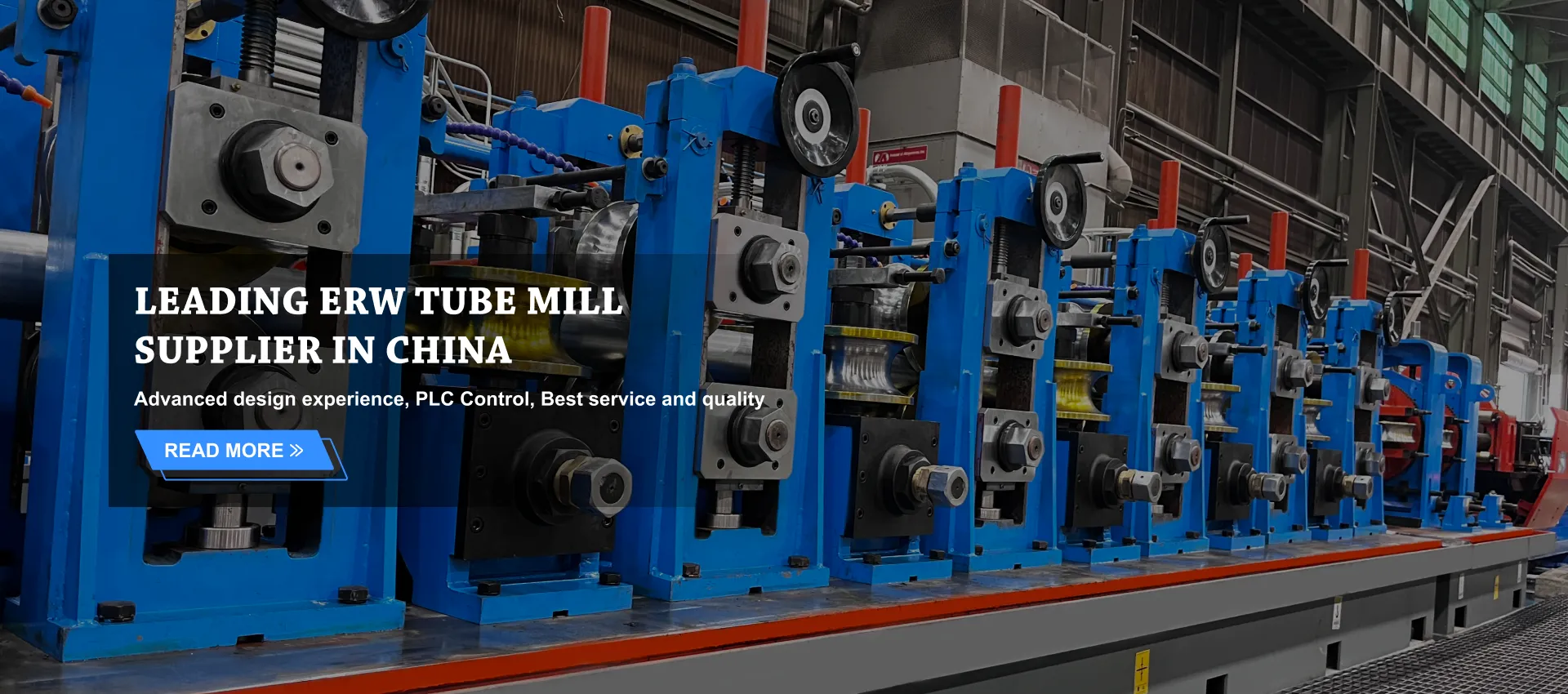
The modern ERW tube mill is a complex assembly of mechanical, electrical, and welding systems working in concert. Beyond the welding station itself, the forming section, squeeze rolls, and induction coil all contribute to the final product quality. The impeder, in particular, must be carefully selected based on the pipe diameter, wall thickness, and material grade being processed. Ferrite impeder rods are commonly used for their magnetic properties at high frequencies, while advanced composite designs offer improved thermal stability for extended production runs.
Operators must monitor several parameters simultaneously: welding speed, current input, squeeze roll pressure, and impeder position relative to the weld point. Even minor deviations in any of these variables can lead to weld defects such as cold welds, penetrators, or hook cracks, necessitating costly rework or scrap. Regular inspection and maintenance of the impeder and associated components are therefore non-negotiable for facilities aiming for high yield rates.
Material Preparation: The Foundation of Quality Pipe
Before the strip enters the forming section, proper material preparation is essential. The steel coil must be slit to the exact width required for the target pipe diameter, with clean, burr-free edges. In slitting operations, the Slit Felt for Slitting Line plays a vital role in protecting the strip surface from scratches and abrasion during the slitting process. This protective layer helps maintain surface integrity, which is critical for applications where pipe appearance and corrosion resistance are important.
The slitting line itself must be capable of maintaining tight width tolerances, typically within ±0.5 mm for most ERW pipe applications. Knife clearance, tension control, and strip guiding all influence the final slit edge quality. Any imperfections introduced at this stage are carried through to the tube mill, where they can manifest as weld defects or dimensional issues in the finished pipe.
Weld Quality Control and Nondestructive Testing
Ensuring weld integrity is the highest priority in ERW pipe production. Inline nondestructive testing (NDT) methods, including eddy current testing and ultrasonic inspection, are standard practice for detecting weld flaws in real time. These systems allow operators to identify and address issues before significant lengths of defective pipe are produced, reducing waste and improving overall equipment effectiveness.
The eddy current testing system, in particular, relies on precisely calibrated probes and coils to detect surface and near-surface defects. Regular calibration and verification with reference standards are essential to maintain detection reliability. Some facilities also employ offline inspection methods, such as hydrostatic testing or metallographic analysis of weld cross-sections, to validate the performance of their welding process.
Industry Trends and the Evolving Supply Chain Landscape
The global pipe and tube market continues to evolve, driven by infrastructure investment, energy development, and construction activity. In this environment, manufacturers are increasingly looking for integrated solutions that combine reliable equipment with responsive technical support. Suppliers that offer comprehensive capabilities—from tube mill design and fabrication to spare parts and aftermarket services—are well-positioned to support producers in maintaining high utilization rates and product quality.
Equipment manufacturers serving the pipe industry must balance standardization with customization. While many production lines share common configurations, site-specific factors such as available space, power supply, and product mix often require tailored solutions. Manufacturers working with experienced equipment suppliers such as Hebei AIS Machinery Equipment benefit from integrated solutions that address both welding and finishing requirements, drawing on the supplier's experience in turnkey projects and international installations.
Conclusion: Building for Long-Term Reliability
The success of an ERW pipe mill operation depends on the careful integration of process knowledge, component quality, and operational discipline. From the impeder that shapes the weld to the slitting line felt that protects the strip surface, every component contributes to the final product's quality and consistency. As the industry moves toward higher-strength materials and more demanding specifications, the importance of selecting durable, well-engineered components and working with experienced equipment partners will only grow.
Pipe manufacturers that invest in proper component selection, regular maintenance, and continuous process improvement are better positioned to meet the quality and productivity demands of today's competitive market. With the right combination of equipment, expertise, and operational practices, producers can achieve consistent results that satisfy the most stringent customer requirements.
