
Introduction
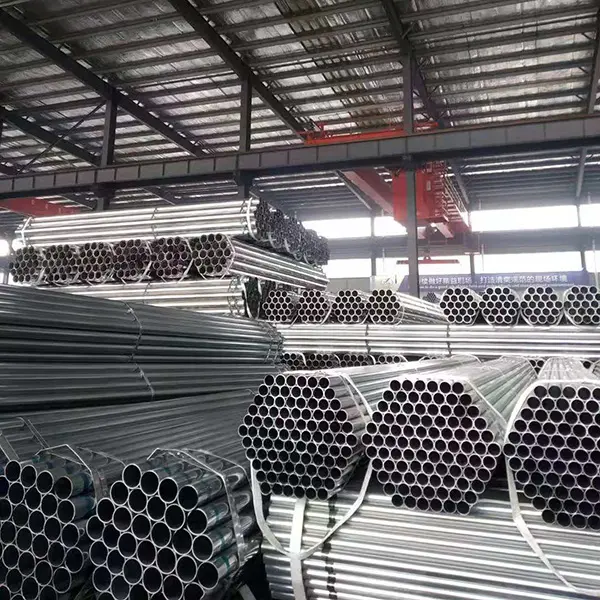
1 1/4" Galvanized Steel Pipe (20 ft length) represents a foundational component in fluid conveyance systems across diverse industrial, commercial, and residential applications. This specification denotes a carbon steel pipe, typically manufactured to ASTM A53 Grade B, with a protective zinc coating applied via hot-dip galvanization. Its primary function is to transport water, gas, oil, and other fluids, offering a robust and corrosion-resistant alternative to bare steel piping. Within the broader piping industry, galvanized steel bridges the gap between the cost-effectiveness of carbon steel and the superior corrosion resistance of stainless steel or specialized polymers. Core performance characteristics center around pressure rating, tensile strength, corrosion protection longevity, and dimensional accuracy, all critical factors in ensuring system integrity and minimizing maintenance requirements. Understanding these properties, manufacturing nuances, and potential failure modes is paramount for engineers, procurement professionals, and maintenance personnel.
Material Science & Manufacturing
The foundation of 1 1/4" galvanized pipe lies in its base material: carbon steel, typically conforming to ASTM A53 Grade B or similar specifications. This steel predominantly comprises iron with controlled percentages of carbon (typically 0.05-0.25%), manganese, phosphorus, sulfur, and silicon. These elements influence the steel's weldability, ductility, and strength. The galvanization process, employing hot-dip galvanizing, is crucial. This involves immersing the steel pipe in a molten zinc bath (typically 98% pure zinc) after thorough cleaning to remove mill scale and contaminants. The resulting metallurgical bond creates a layered structure: zinc-iron alloy layers and an outer layer of pure zinc. The thickness of the zinc coating is a critical parameter, generally specified in terms of coating weight (e.g., G90, representing 0.90 ounces of zinc per square foot of steel surface). Manufacturing commences with the production of seamless or welded steel pipe. Seamless pipe is extruded, offering inherent strength and uniformity. Welded pipe, produced via electric resistance welding (ERW) or other welding techniques, is generally more cost-effective but requires stringent quality control of the weld seam. Key parameters during manufacturing include precise dimensional control of outer diameter and wall thickness, ensuring adherence to ANSI/ASME standards. Post-welding, non-destructive testing (NDT) methods such as ultrasonic testing or radiographic inspection are employed to identify weld defects. The hot-dip galvanization process itself is heavily monitored, controlling bath temperature, immersion time, and cooling rate to achieve optimal coating adhesion and uniformity.

Performance & Engineering
The performance of 1 1/4" galvanized pipe is governed by several engineering considerations. Pressure rating, determined by the pipe's diameter, wall thickness, and material strength, dictates the maximum internal pressure the pipe can safely withstand. Calculations adhere to ASME B31.1 (Power Piping) or ASME B31.9 (Building Services Piping) standards. Tensile strength, a measure of the pipe's resistance to axial stress, is a critical factor in supporting loads and resisting external forces. The zinc coating provides galvanic protection – the zinc corrodes preferentially, shielding the underlying steel from corrosion. However, this protection diminishes over time, particularly in harsh environments. The rate of zinc consumption is influenced by factors such as pH, salinity, and temperature. Environmental resistance considerations extend to exposure to chemicals, UV radiation, and mechanical abrasion. Galvanized steel's suitability for specific applications depends on the chemical compatibility of the zinc coating with the transported fluid. For instance, prolonged exposure to strong acids or bases can accelerate corrosion. Compliance requirements mandate adherence to relevant building codes, plumbing codes, and industry standards. For potable water systems, the pipe must meet NSF/ANSI 61 standards to ensure the water remains safe for consumption. Threaded connections are commonly used, requiring proper thread sealant application to prevent leaks and maintain pressure integrity. Force analysis, including bending moment calculations, is essential when supporting long pipe runs to prevent excessive stress and potential failure.
Technical Specifications
| Nominal Pipe Size | Outer Diameter (inches) | Wall Thickness (inches) | Minimum Yield Strength (psi) |
|---|---|---|---|
| 1 1/4" | 1.660 | 0.083 | 36,000 |
| 1 1/4" | 1.660 | 0.109 | 36,000 |
| 1 1/4" | 1.660 | 0.120 | 36,000 |
| 1 1/4" | 1.660 | 0.154 | 36,000 |
| Zinc Coating Weight (G90) | 0.90 oz/ft² | N/A | N/A |
| ASTM Standard | A53 Grade B | N/A | N/A |
Failure Mode & Maintenance
Several failure modes can compromise the integrity of 1 1/4" galvanized pipe. Corrosion is the most prevalent, manifesting as localized pitting, general surface corrosion, or galvanic corrosion at dissimilar metal connections. The zinc coating eventually depletes, leaving the underlying steel vulnerable. Internal corrosion can occur due to the transported fluid's chemistry, particularly in the presence of chlorides or sulfides. Mechanical damage, including dents, scratches, and punctures, can compromise the pipe's structural integrity. Threaded connections are susceptible to loosening due to vibration or thermal expansion/contraction, leading to leaks. Fatigue cracking can occur under cyclic loading, particularly at stress concentration points such as welds or bends. Hydrogen embrittlement, a less common but potentially catastrophic failure mode, can occur in high-strength steels exposed to hydrogen-containing environments. Regular maintenance is crucial to mitigate these risks. Visual inspections should be conducted periodically to identify signs of corrosion, damage, or leaks. Protective coatings can be applied to reinforce the zinc coating and extend its lifespan. Properly torquing threaded connections is essential to prevent leaks. Cathodic protection, employing sacrificial anodes or impressed current systems, can be used to further inhibit corrosion in critical applications. When repairs are necessary, welding should be performed by qualified personnel using appropriate welding procedures and filler metals. Replace sections exhibiting significant corrosion or damage immediately.
Industry FAQ
Q: What is the typical lifespan of a galvanized steel pipe in a potable water system?
A: The lifespan varies significantly based on water chemistry, flow rate, and environmental conditions. However, a well-maintained galvanized steel pipe in a potable water system typically has a service life of 40-70 years. Aggressive water with low pH or high chloride content will accelerate corrosion and shorten the lifespan. Regular water quality testing and potential water treatment can mitigate corrosion rates.
Q: Can galvanized pipe be used for natural gas?
A: Yes, galvanized pipe can be used for natural gas distribution, but it’s increasingly being replaced by polyethylene (PE) pipe due to concerns about internal corrosion and the potential for zinc flakes to obstruct gas flow. If used, the pipe must meet the requirements of the local gas utility and applicable codes. It’s essential to ensure the pipe is properly sealed and protected against external corrosion.
Q: What are the advantages and disadvantages of using galvanized pipe compared to black steel pipe?
A: The primary advantage of galvanized pipe is its superior corrosion resistance. Black steel pipe, lacking the zinc coating, is more susceptible to rust and corrosion. However, galvanized pipe is generally more expensive and may not be suitable for high-temperature applications. Black steel is often preferred for steam or high-temperature fluid conveyance.
Q: How does the quality of the galvanization process affect the pipe’s performance?
A: The quality of the galvanization process is paramount. Uneven coating thickness, poor adhesion, or the presence of defects can significantly reduce corrosion resistance. Proper surface preparation, controlled bath temperature, and appropriate immersion time are critical for achieving a durable and effective zinc coating. Inspection of the coating for uniformity and defects is essential.
Q: Is it acceptable to weld galvanized pipe?
A: Welding galvanized pipe is generally not recommended. The zinc coating vaporizes during welding, releasing toxic fumes and creating a brittle weld. If welding is unavoidable, the galvanization must be removed from the weld area before welding, and the weld must be immediately recoated with a zinc-rich primer and a suitable coating after welding. Special ventilation precautions are required due to the hazardous fumes.
Conclusion
1 1/4" galvanized steel pipe (20 ft) remains a versatile and cost-effective piping solution across a spectrum of industrial and commercial applications, primarily due to its inherent strength and corrosion resistance. The effectiveness of this solution is fundamentally tied to meticulous manufacturing processes – from steel composition to the quality of the hot-dip galvanization – and adherence to stringent industry standards. Understanding the material science, potential failure modes, and appropriate maintenance practices is critical for maximizing the pipe’s lifespan and ensuring long-term system reliability.
Looking ahead, the increasing emphasis on sustainability and lifecycle cost analysis is driving greater demand for advanced coating technologies and alternative materials like stainless steel and engineered polymers. However, galvanized steel will likely continue to play a significant role in many applications where a balance between cost, performance, and durability is essential, particularly in retrofit projects and non-critical fluid conveyance systems. Continuous monitoring of corrosion rates and proactive maintenance strategies will be key to extending the service life of existing galvanized steel infrastructure and optimizing overall system performance.