
Introduction
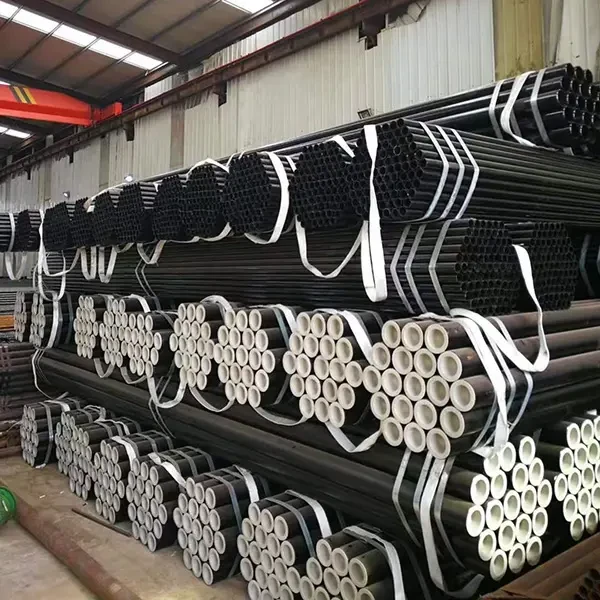
1 ¼ inch galvanized pipe, specifically conforming to Schedule 21 specifications, is a fundamental component in numerous fluid and gas conveyance systems across industrial, commercial, and residential sectors. Its position in the supply chain extends from primary steel production through galvanization processes to fabrication and ultimately, installation. Galvanization, typically utilizing a hot-dip process, provides a zinc coating, imparting critical corrosion resistance to the underlying steel substrate. This guide will detail the material science, manufacturing methodologies, performance characteristics, failure modes, and industry standards pertaining to 1 ¼ inch Schedule 21 galvanized steel pipe, focusing on practical applications and long-term reliability. The core performance metric is the balance between structural integrity – determined by wall thickness and material grade – and environmental durability, particularly resistance to rust and corrosion. The primary industry pain point revolves around ensuring consistent galvanization thickness and avoiding premature failure due to coating defects or improper material selection for specific operating environments.
Material Science & Manufacturing
The primary raw material is low-carbon steel, typically ASTM A53 Grade B, though other grades like A120 or even specialized alloy steels can be utilized depending on application demands. The steel composition inherently dictates mechanical properties like yield strength, tensile strength, and ductility. Critical elements impacting weldability and formability include carbon, manganese, phosphorus, and sulfur. The galvanization process involves immersing the steel pipe in a molten zinc bath, creating a metallurgical bond. The resulting zinc coating’s thickness is meticulously controlled, typically ranging from 0.001 to 0.002 inches (25.4 to 50.8 micrometers), impacting corrosion resistance. The manufacturing process begins with steel billet formation, followed by seamless or welded tube production. Seamless pipes are formed through extrusion or piercing processes, offering superior strength and pressure resistance. Welded pipes, produced via electric resistance welding (ERW) or submerged arc welding (SAW), are more cost-effective. Critical parameters during manufacturing include precise temperature control during galvanization to ensure adequate zinc adhesion and avoidance of ‘white rust’ (zinc oxide) formation. Post-galvanization inspection involves coating thickness measurements, visual checks for defects (e.g., bare spots, drips, or runs), and potentially, electrochemical testing to assess coating uniformity and integrity.

Performance & Engineering
Performance analysis of 1 ¼ inch Schedule 21 galvanized pipe centers around its pressure-bearing capacity, corrosion resistance, and mechanical strength. Force analysis involves calculating hoop stress based on internal pressure and pipe diameter, adhering to ASME B31.1 Power Piping standards. The yield strength of the underlying steel (typically around 36,000 psi for A53 Grade B) and the wall thickness (Schedule 21 typically around 0.083 inches) are key determinants of maximum allowable operating pressure. Environmental resistance is predominantly governed by the zinc coating. The zinc acts as a sacrificial anode, preferentially corroding to protect the steel substrate. However, the effectiveness diminishes in highly acidic or alkaline environments, or in the presence of chlorides. Compliance requirements vary based on application. Potable water systems necessitate adherence to NSF/ANSI 61 standards for lead content and extractable contaminants. Industrial applications may require compliance with API 5L or other industry-specific standards based on the conveyed fluid. For seismic regions, piping systems must be engineered to withstand dynamic loads according to ASCE 7 guidelines, requiring consideration of pipe supports and flexibility.
Technical Specifications
| Parameter | Value (Typical) | Unit | Standard |
|---|---|---|---|
| Nominal Pipe Size | 1.25 | inches | ANSI/ASME B36.10M |
| Schedule | 21 | - | ANSI/ASME B36.10M |
| Outside Diameter | 1.66 | inches | ANSI/ASME B36.10M |
| Wall Thickness | 0.083 | inches | ANSI/ASME B36.10M |
| Material | A53 Grade B | - | ASTM A53 |
| Zinc Coating Thickness | 30-60 | µm (micrometers) | ASTM A123 |
| Yield Strength (Steel) | 36,000 | psi | ASTM A53 |
Failure Mode & Maintenance
Failure modes in 1 ¼ inch galvanized pipe commonly include corrosion-induced failures, mechanical damage, and thread failures. Uniform corrosion occurs when the zinc coating is depleted, allowing the underlying steel to rust. Localized corrosion, such as pitting or crevice corrosion, can accelerate failure in specific areas, particularly around welds or threaded connections. Galvanic corrosion can occur when the galvanized pipe is connected to dissimilar metals in the presence of an electrolyte. Mechanical damage can arise from impacts, bending, or excessive stress. Thread failures occur due to improper tightening, corrosion of threads, or exceeding the tensile strength of the material. Maintenance strategies include regular visual inspections for signs of corrosion, especially in harsh environments. Protective coatings, such as paints or epoxy resins, can be applied to extend the service life of the pipe. For threaded connections, anti-seize compounds can prevent galling and facilitate disassembly. Should corrosion be detected, localized repairs using corrosion inhibitors or replacement of affected sections are recommended. Regular hydrostatic testing can verify the integrity of the pipe and identify potential leaks before catastrophic failure occurs. Avoid using abrasive cleaning methods that can compromise the zinc coating.
Industry FAQ
Q: What is the primary benefit of galvanization compared to other corrosion protection methods like painting?
A: The primary benefit lies in the zinc coating’s sacrificial anodic protection. Even if the coating is scratched or damaged, the zinc will continue to corrode preferentially, protecting the underlying steel. Painting relies on an intact barrier film; once breached, corrosion can proceed rapidly. Galvanization offers a more robust and long-lasting corrosion protection, particularly in outdoor applications.
Q: How does water quality affect the lifespan of galvanized pipe in a potable water distribution system?
A: Water quality is a critical factor. High levels of dissolved oxygen, chlorides, sulfates, and low pH (acidic water) can accelerate corrosion rates. Similarly, the presence of free chlorine can contribute to localized corrosion. Water treatment strategies to control these parameters are essential for maximizing the lifespan of galvanized piping.
Q: What are the limitations of using galvanized pipe in high-temperature applications?
A: The zinc coating’s corrosion resistance decreases significantly at elevated temperatures. Above approximately 150°F (65°C), the zinc can rapidly oxidize and offer limited protection. In high-temperature applications, alternative materials like stainless steel or copper are generally preferred.
Q: Is galvanized pipe suitable for conveying flammable gases?
A: Generally, no. While galvanized steel possesses sufficient strength, the zinc coating can react with certain gases, and the potential for hydrogen embrittlement exists. For flammable gas conveyance, specifically approved materials like black steel or seamless stainless steel pipe are mandated by safety regulations.
Q: What is the impact of thread sealant type on the long-term corrosion resistance of galvanized pipe joints?
A: Using incompatible thread sealants can accelerate corrosion. Avoid sealants containing chlorides or active chemicals that can attack the zinc coating. PTFE-based tapes or sealants specifically designed for use with galvanized steel are recommended to ensure long-term joint integrity and corrosion resistance.
Conclusion
1 ¼ inch Schedule 21 galvanized pipe remains a cost-effective and reliable solution for a wide range of fluid and gas conveyance applications. Its performance is intimately linked to the quality of the steel substrate, the uniformity and thickness of the zinc coating, and adherence to relevant industry standards. Understanding the potential failure modes—primarily corrosion-related—and implementing appropriate preventative maintenance strategies are crucial for maximizing its service life and ensuring system integrity.
Future advancements in galvanization technologies, such as improved zinc alloy coatings and surface preparation techniques, promise to enhance corrosion resistance and extend the longevity of galvanized steel piping systems. Continued research into non-destructive testing methods for evaluating coating integrity will also play a vital role in ensuring reliable performance and mitigating the risk of premature failure. Proper material selection based on application-specific requirements remains the cornerstone of a durable and safe piping infrastructure.
