
Introduction
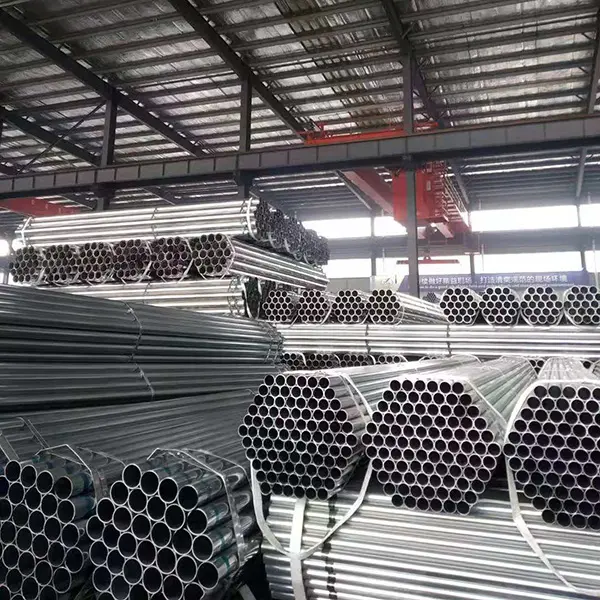
1.5 inch galvanized steel pipe is a carbon steel pipe coated with a layer of zinc through hot-dip galvanization. Its primary function is to convey fluids and gases in a wide range of applications, including potable water systems, fire suppression, structural supports, and industrial piping. Positioned within the broader piping industry, galvanized steel pipe represents a cost-effective solution offering moderate corrosion resistance, particularly suited for applications where high-pressure or highly corrosive environments are not present. The core performance characteristics hinge on its tensile strength, pressure rating, and longevity determined by the zinc coating’s effectiveness. A key industry pain point centers around the long-term durability of the zinc coating and the potential for corrosion at damaged or compromised areas, necessitating robust installation and maintenance procedures. This guide provides a comprehensive technical overview of 1.5 galvanized pipe, encompassing material science, manufacturing processes, performance parameters, failure modes, and relevant industry standards.
Material Science & Manufacturing
The base material for 1.5 galvanized pipe is typically carbon steel, commonly ASTM A53 Grade B, characterized by its strength and weldability. The steel composition primarily consists of iron with varying percentages of carbon, manganese, phosphorus, and sulfur. The physical properties of the steel, including yield strength (approximately 36,000 psi), tensile strength (approximately 58,000 psi), and elongation, are critical for determining pipe suitability for specific pressure and load requirements. The galvanization process involves immersing the steel pipe in a bath of molten zinc at a temperature of approximately 840°F (449°C). This creates a metallurgical bond between the zinc and the steel, forming several layers: a Gamma (Fe-Zn) layer, a Delta (Fe-Zn) layer, a Zeta (Fe-Zn) layer and finally, an outer layer of pure zinc. Key process parameters include bath temperature, immersion time, steel surface preparation (pickling and fluxing to remove oxides and contaminants), and cooling rate. Improper surface preparation leads to poor zinc adhesion. Controlling the cooling rate minimizes distortion and ensures a uniform zinc coating thickness. Zinc coating thickness is typically measured in ounces per square foot (oz/ft²) and influences the pipe’s corrosion resistance. The manufacturing process often includes seam welding for pipes produced from steel strips, requiring strict quality control of weld integrity through non-destructive testing methods like ultrasonic testing and radiographic inspection.

Performance & Engineering
The performance of 1.5 galvanized pipe is heavily influenced by its ability to withstand internal pressure and external loads. Internal pressure is calculated based on Barlow's formula (P = 2St/D, where P is pressure, S is tensile strength, t is wall thickness, and D is outer diameter), which dictates the maximum operating pressure for a given pipe size and wall thickness. External loads, such as those encountered in structural applications, require consideration of bending moments and shear stresses. Galvanized pipe undergoes hydrostatic testing to ensure leak-tightness and structural integrity under pressure. The zinc coating provides cathodic protection to the steel, meaning the zinc corrodes preferentially, protecting the steel substrate. However, this protection is compromised when the zinc coating is damaged, exposing the steel to the environment. Environmental resistance is affected by factors such as pH, salinity, and temperature. Exposure to acidic or saline environments accelerates corrosion. Compliance with relevant building codes and industry standards, such as those established by the American Society of Mechanical Engineers (ASME) and local plumbing codes, is essential. Furthermore, the pipe’s thermal expansion coefficient needs consideration in system design to prevent stress buildup during temperature fluctuations. Galvanic corrosion can occur when galvanized steel is directly connected to dissimilar metals in the presence of an electrolyte; dielectric unions or insulating fittings are required to mitigate this.
Technical Specifications
| Nominal Pipe Size (inches) | Outer Diameter (inches) | Wall Thickness (inches) | Weight per Foot (lbs/ft) |
|---|---|---|---|
| 1.5 | 1.900 | 0.083 | 0.736 |
| 1.5 | 1.900 | 0.100 | 0.853 |
| 1.5 | 1.900 | 0.120 | 0.970 |
| 1.5 | 1.900 | 0.154 | 1.133 |
| 1.5 | 1.900 | 0.188 | 1.336 |
| 1.5 | 1.900 | 0.218 | 1.538 |
Failure Mode & Maintenance
Common failure modes for 1.5 galvanized pipe include corrosion, particularly at damaged coatings, threaded connections, and weld areas. Uniform corrosion gradually reduces wall thickness, while pitting corrosion creates localized weaknesses. Crevice corrosion occurs in shielded areas, such as under gaskets or deposits. Fatigue cracking can result from cyclic loading, especially in structural applications. Threaded connections are susceptible to galling and stripping due to improper tightening or material incompatibility. Hydrogen embrittlement, although less common, can occur in high-strength steel exposed to hydrogen sulfide. Maintenance strategies include regular visual inspections for corrosion and damage, particularly at vulnerable locations. Surface preparation and re-coating of corroded areas with zinc-rich paint can extend the pipe’s lifespan. Applying corrosion inhibitors to the fluid being conveyed can reduce internal corrosion. For threaded connections, proper torqueing procedures and the use of thread sealant are crucial. Periodic hydrostatic testing can verify the structural integrity of the pipe. When replacing sections of pipe, ensuring compatibility between galvanized steel and any connecting materials is vital to prevent galvanic corrosion. Preventative maintenance schedules tailored to the specific application and environmental conditions are essential for maximizing service life.
Industry FAQ
Q: What is the expected service life of 1.5 galvanized pipe in a typical potable water application?
A: The expected service life varies significantly based on water quality (pH, mineral content, chloride levels), operating temperature, and the quality of the galvanization. In ideal conditions (neutral pH, low chloride levels), a lifespan of 40-60 years is achievable. However, in aggressive water environments, the lifespan may be reduced to 20-30 years or less.
Q: How does the zinc coating thickness affect corrosion resistance?
A: Generally, a thicker zinc coating provides greater corrosion protection. A coating thickness of G90 (0.90 oz/ft²) is commonly used for potable water systems, while G60 (0.60 oz/ft²) is used for less demanding applications. Increasing the zinc thickness extends the time to corrosion initiation but does not eliminate it entirely.
Q: Can galvanized pipe be used for natural gas lines?
A: While historically used, the use of galvanized pipe for natural gas lines is generally discouraged and often prohibited by current codes. The zinc coating can react with sulfur compounds present in natural gas, leading to zinc sulfide formation and potentially blocking the pipe. Polyethylene (PE) or steel piping specifically rated for natural gas are now preferred.
Q: What are the best practices for joining galvanized pipe to dissimilar metals?
A: To prevent galvanic corrosion, utilize dielectric unions or insulating fittings whenever connecting galvanized pipe to copper, brass, or other dissimilar metals. Avoid direct contact between the metals and ensure adequate electrical insulation. Using compatible thread sealant is also crucial.
Q: What is the impact of thread sealant on the corrosion resistance of galvanized pipe?
A: Using an inappropriate thread sealant can accelerate corrosion. Avoid sealants containing chloride ions or acidic components. Teflon tape or a sealant specifically designed for galvanized pipe, ensuring it’s non-corrosive to zinc, is recommended. Proper application of sealant is crucial to avoid crevice corrosion.
Conclusion
1.5 galvanized pipe remains a viable and cost-effective solution for numerous fluid and gas conveyance applications, leveraging the protective properties of its zinc coating. However, its performance is intrinsically linked to material selection, manufacturing quality, installation practices, and ongoing maintenance. Understanding the inherent limitations of galvanized steel, particularly its susceptibility to corrosion in aggressive environments, is crucial for ensuring long-term reliability and preventing premature failure.
Future advancements in coating technologies, such as the development of improved zinc alloys and post-treatment processes, hold the potential to enhance the corrosion resistance and extend the service life of galvanized steel piping. Continued adherence to industry standards and best practices, coupled with proactive inspection and maintenance programs, will remain paramount for maximizing the value and ensuring the safe operation of 1.5 galvanized pipe systems.
