
Introduction
Galvanized pipe, specifically Schedule 20 galvanized steel pipe, represents a fundamental component in fluid conveyance systems across numerous industrial and commercial applications. Defined by its carbon steel substrate coated with a protective layer of zinc, it offers corrosion resistance exceeding that of bare steel, making it suitable for water, gas, and various chemical transport. The “20” designation refers to the nominal pipe wall thickness, indicating a lighter-weight construction compared to Schedule 40 or 80 pipes, and consequently, lower pressure ratings. Within the industry supply chain, galvanized pipe follows steel production, forming, and galvanization processes. Core performance characteristics include its tensile strength, corrosion protection effectiveness (dependent on zinc coating thickness), and suitability for threaded connections. This guide provides an in-depth technical analysis of Schedule 20 galvanized pipe, focusing on material science, manufacturing processes, performance parameters, common failure modes, and relevant industry standards. A key industry pain point is accurately assessing the long-term corrosion resistance in specific operating environments, as zinc coating degradation impacts service life.
Material Science & Manufacturing
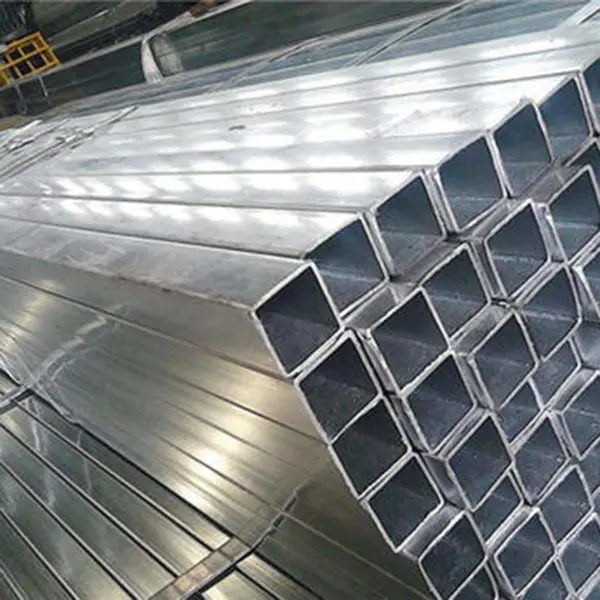
The core material of Schedule 20 galvanized pipe is typically carbon steel, commonly ASTM A53 Grade B. This steel consists primarily of iron with controlled amounts of carbon (typically less than 0.30%), manganese, phosphorus, and sulfur. The mechanical properties of the steel—yield strength, tensile strength, and ductility—are crucial for pipe integrity. Galvanization involves immersing the steel pipe in a molten zinc bath, creating a metallurgical bond. This process follows several stages: surface preparation (pickling to remove mill scale and rust), fluxing (to promote zinc adhesion), and galvanizing (immersion in molten zinc, typically 98% pure). The zinc coating forms a series of metallurgical layers: Gamma (Fe-Zn alloy), Delta (Fe-Zn alloy), Zeta (Fe-Zn alloy), and finally, a pure zinc outer layer. The thickness of the zinc coating is a critical parameter, generally measured in grams per square meter (G/m²) and typically ranges from 50 to 80 G/m² for Schedule 20 pipe. Manufacturing processes include seamless and welded construction. Seamless pipes are produced by piercing a solid billet, offering superior strength. Welded pipes are created by rolling steel plates and welding the seam, often followed by heat treatment to normalize the weld zone. Key parameter control during manufacturing includes maintaining consistent wall thickness, ensuring weld quality (for welded pipes), and achieving uniform zinc coating thickness and adherence. Control of the cooling rate during galvanization is vital to achieving a consistent and durable coating.
Performance & Engineering
The performance of Schedule 20 galvanized pipe is dictated by several engineering considerations. Firstly, pressure rating is a primary factor, calculated based on the pipe's inner diameter, wall thickness, and the material's yield strength. Schedule 20 pipes have lower pressure ratings than higher-schedule pipes due to their thinner walls. Secondly, corrosion resistance is a crucial aspect. The zinc coating provides sacrificial protection; the zinc corrodes preferentially to the steel, preventing rust. However, this protection is finite, and corrosion rates depend on environmental factors like humidity, salinity, and exposure to corrosive chemicals (e.g., chlorides, sulfates). Galvanic corrosion can occur if the pipe is in contact with dissimilar metals. Thirdly, structural integrity under load is important, particularly concerning bending moments and tensile stresses. Force analysis must consider the weight of the pipe, the fluid it conveys, and any external loads. Compliance requirements dictate adherence to standards like NSF/ANSI 61 for potable water systems, ensuring that the zinc coating does not leach harmful levels of contaminants into the fluid. Threaded connections are common for Schedule 20 pipe, and their integrity relies on proper threading, adequate thread sealant application, and appropriate torque during installation. The thermal expansion coefficient of steel must be accounted for in system design to prevent stress cracking or leaks.
Technical Specifications
| Nominal Pipe Size (inches) | Outside Diameter (inches) | Wall Thickness (inches) | Weight per Foot (lbs/ft) |
|---|---|---|---|
| 1/2 | 0.625 | 0.065 | 0.122 |
| 3/4 | 0.840 | 0.065 | 0.183 |
| 1 | 1.050 | 0.065 | 0.245 |
| 1 1/4 | 1.250 | 0.065 | 0.323 |
| 1 1/2 | 1.500 | 0.065 | 0.409 |
| 2 | 2.067 | 0.065 | 0.613 |
Failure Mode & Maintenance
Schedule 20 galvanized pipe is susceptible to several failure modes. Corrosion is the most prevalent, manifesting as localized pitting or uniform thinning of the zinc coating and eventual rust formation. The rate of corrosion is accelerated in harsh environments. Fatigue cracking can occur under cyclic loading, particularly at threaded connections or weld points. This is exacerbated by vibration or repeated stress fluctuations. Hydrogen embrittlement can occur in high-strength steel pipes, leading to brittle fracture. Delamination of the zinc coating—separation from the steel substrate—results from inadequate surface preparation during galvanization or poor zinc-steel bonding. Mechanical damage, such as dents or punctures, can compromise the pipe’s structural integrity. Maintenance strategies include regular visual inspection for signs of corrosion, particularly at joints and exposed areas. Applying a protective coating (e.g., paint) over the galvanized surface can extend its service life. For systems handling corrosive fluids, periodic internal inspections using non-destructive testing (NDT) methods (e.g., ultrasonic testing) are recommended. Damaged sections should be replaced promptly. Cleaning and re-galvanizing localized areas is possible, but it must be performed by qualified personnel to ensure proper adhesion and coating uniformity. Cathodic protection systems can be employed in buried pipelines to mitigate corrosion.
Industry FAQ
Q: What is the typical lifespan of Schedule 20 galvanized pipe in a freshwater plumbing system?
A: The lifespan varies significantly depending on water quality. In typical freshwater systems with non-aggressive water chemistry, 40-60 years is a reasonable expectation. However, acidic water (low pH) or water with high chloride content can accelerate corrosion, reducing the lifespan to 20-30 years. Regular water testing and pH adjustment can significantly improve longevity.
Q: How does the zinc coating thickness affect corrosion resistance?
A: Corrosion resistance is directly proportional to zinc coating thickness, up to a certain point. Thicker coatings provide longer-term sacrificial protection. Coatings exceeding 80 G/m² offer superior performance, but diminishing returns are observed beyond that threshold. It's also crucial that the coating is uniformly applied and free of defects.
Q: Can Schedule 20 galvanized pipe be used for gas lines?
A: While historically used for gas lines, current building codes often restrict or prohibit the use of galvanized pipe for natural gas or propane due to concerns about zinc oxide buildup and potential corrosion-related leaks. Modern codes typically require polyethylene (PE) or coated steel piping specifically designed for gas service.
Q: What are the limitations of using Schedule 20 galvanized pipe in seawater applications?
A: Seawater is highly corrosive due to its high salinity and chloride content. Galvanized pipe exhibits limited resistance in such environments. Rapid corrosion occurs, leading to premature failure. Alternative materials, such as stainless steel, copper-nickel alloys, or specialized plastic composites, are recommended for seawater applications.
Q: How does welding affect the corrosion resistance of galvanized pipe?
A: Welding burns off the zinc coating in the heat-affected zone, leaving the steel susceptible to corrosion. Weld areas must be re-galvanized immediately after welding using a method like zinc-rich paint or hot-dip galvanizing (for small repairs). Proper weld preparation and technique are also crucial to minimize the heat-affected zone and maintain weld integrity.
Conclusion
Schedule 20 galvanized pipe remains a cost-effective material choice for numerous fluid conveyance applications where moderate pressure ratings and a degree of corrosion resistance are required. Its performance is fundamentally linked to the quality of the underlying steel, the uniformity and thickness of the zinc coating, and the specific operating environment. Understanding the potential failure modes – primarily corrosion, fatigue, and mechanical damage – is critical for ensuring long-term reliability.
Effective maintenance practices, including regular inspection and protective coatings, can significantly extend service life. The selection of appropriate materials and adherence to relevant industry standards, such as those governing potable water systems and gas lines, are paramount. As environmental regulations evolve and more specialized materials become available, a comprehensive technical and economic assessment is crucial when considering Schedule 20 galvanized pipe for new or replacement installations.
