
Introduction
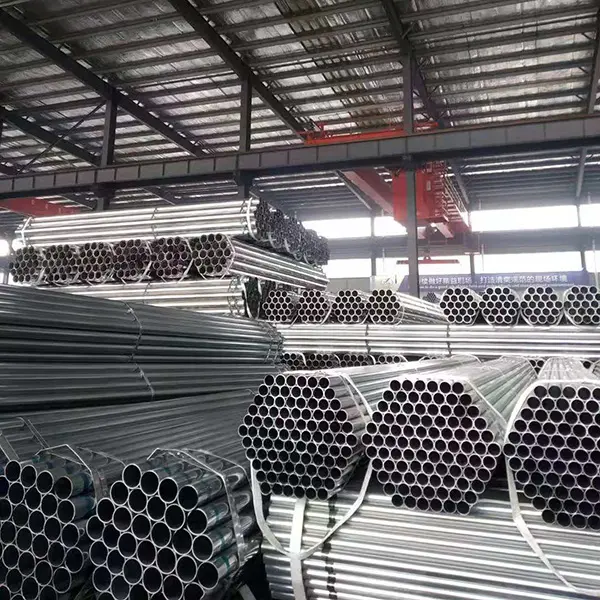
1-inch galvanised pipe, a fundamental component in fluid conveyance systems, is widely utilized across diverse industries including plumbing, fire protection, structural support, and industrial processing. This specification refers to steel pipe, typically carbon steel, coated with a layer of zinc via hot-dip galvanization. The galvanization process provides critical corrosion resistance, extending the service life of the pipe in challenging environments. Its nominal diameter of 1 inch (25.4mm) and standardized wall thicknesses (Schedule 40, Schedule 80 being the most common) define its pressure-bearing capacity and suitability for various applications. This guide details the material science, manufacturing, performance characteristics, potential failure modes, and relevant industry standards associated with 1-inch galvanised pipe.
Material Science & Manufacturing
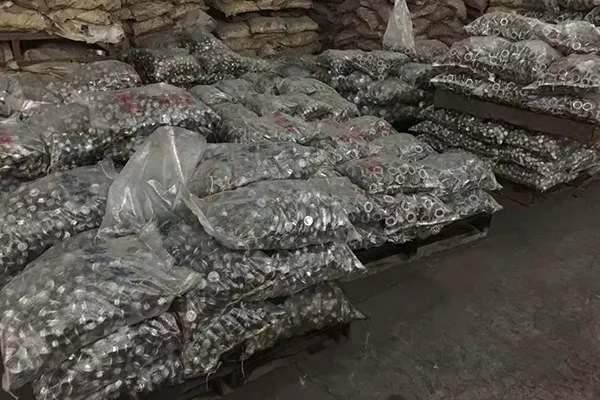
The base material for 1-inch galvanised pipe is typically carbon steel, conforming to specifications such as ASTM A53 Grade B or ASTM A106 Grade B. These steels possess inherent strength and ductility, crucial for withstanding internal pressure and external loads. The primary alloying elements are carbon, manganese, phosphorus, and sulfur, with carbon content generally ranging from 0.05% to 0.30% influencing weldability and hardness. The galvanization process involves immersing the steel pipe in a molten zinc bath (typically 98% pure zinc) at temperatures around 450°C (842°F). This creates a metallurgical bond, forming layers of zinc-iron alloy (Fe-Zn) and a final outer layer of pure zinc. The thickness of the zinc coating is a critical parameter, typically ranging from 50 to 80 micrometers depending on the application and standard adhered to. Manufacturing begins with the formation of seamless or welded steel pipe. Seamless pipe is produced through processes like piercing and mandrel rolling, resulting in a uniform structure. Welded pipe is manufactured by rolling steel plate and welding the seam, often utilizing electric resistance welding (ERW) or submerged arc welding (SAW). Following pipe formation, it undergoes cleaning, pickling (acid treatment to remove mill scale), fluxing, and then galvanization. Critical parameters during galvanization include immersion time, zinc bath temperature, and cooling rate, all influencing coating adhesion and uniformity.
Performance & Engineering
The performance of 1-inch galvanised pipe is governed by its ability to withstand internal pressure, external loads, and corrosive environments. Internal pressure capacity is dictated by the pipe’s diameter, wall thickness, and material strength, calculated according to formulas detailed in ASME B31.1 (Power Piping) or ASME B31.3 (Process Piping). External loads, such as weight of the pipe itself, fluid within, or external support structures, require structural analysis to prevent buckling or deformation. Galvanisation provides cathodic protection, whereby zinc corrodes preferentially to the steel, preventing the steel from rusting. However, this protection is not absolute. Factors like pH, chloride concentration, and temperature affect the corrosion rate. In acidic or highly chloride-rich environments, the galvanisation can be depleted, leading to localized corrosion. The pipe’s performance is also affected by its threaded connections. Proper thread engagement, use of appropriate thread sealant, and torque control are crucial to prevent leaks and ensure joint integrity. The engineering design must account for thermal expansion and contraction, particularly in long pipe runs, to prevent stress concentrations and potential failure at joints or supports. Compliance with local building codes and industry standards (e.g., NFPA 13 for sprinkler systems) is paramount to ensure safety and functionality.
Technical Specifications
| Nominal Pipe Size | Outside Diameter (mm) | Wall Thickness (Schedule 40, mm) | Wall Thickness (Schedule 80, mm) | Yield Strength (MPa) |
|---|---|---|---|---|
| 1 inch | 33.4 | 3.37 | 4.50 | 250 |
| 1 inch | 33.4 | 3.37 | 4.50 | 310 (Higher Grade Steel) |
| 1 inch | 33.4 | 3.37 | 4.50 | 2.17 - 3.45 (Zinc Coating Thickness, µm) |
| 1 inch | 33.4 | 3.37 | 4.50 | 690 (Ultimate Tensile Strength, MPa) |
| 1 inch | 33.4 | 3.37 | 4.50 | 0.25 (Corrosion Rate, mm/year - approximate, depends on environment) |
| 1 inch | 33.4 | 3.37 | 4.50 | -20°C to 80°C (Operating Temperature Range – dependent on application and fluid) |
Failure Mode & Maintenance
Common failure modes for 1-inch galvanised pipe include corrosion, particularly at threaded connections or damaged coating areas. Localized corrosion, such as pitting, can occur due to imperfections in the galvanisation or exposure to aggressive chemicals. Galvanic corrosion can also arise when the galvanised pipe is in contact with dissimilar metals in the presence of an electrolyte. Thread failure, resulting from improper installation, over-tightening, or corrosion, is another frequent issue. Mechanical damage, such as dents or scratches, can compromise the coating and initiate corrosion. Fatigue cracking, while less common, can occur under cyclic loading conditions, especially at weld points in welded pipe. Maintenance involves regular inspection for signs of corrosion, particularly at joints and exposed areas. Damaged coating areas should be repaired with zinc-rich paint or metallizing. Threaded connections should be periodically inspected and re-tightened if necessary. For systems exposed to corrosive environments, cathodic protection systems (sacrificial anodes or impressed current) may be employed. Internal cleaning to remove scale or debris can also prolong service life. In cases of severe corrosion or damage, pipe replacement is required. Proper storage is also crucial; pipes should be stored dry and protected from direct contact with the ground to prevent pre-corrosion.
Industry FAQ
Q: What is the impact of water pH on the lifespan of galvanised pipe?
A: Water pH significantly impacts the lifespan. Acidic water (low pH) accelerates the corrosion of zinc, reducing the protective barrier. Highly alkaline water (high pH) can lead to the formation of zinc oxides and hydroxides, potentially compromising coating adhesion. A neutral pH (around 7) is ideal for maximizing the lifespan. Regular water testing and pH adjustment are recommended, particularly in potable water systems.
Q: How does Schedule 80 pipe differ from Schedule 40 in terms of application?
A: Schedule 80 pipe has a thicker wall than Schedule 40 pipe, resulting in a higher pressure rating and greater resistance to deformation. Schedule 40 is typically used for lower-pressure applications, such as residential plumbing. Schedule 80 is preferred for higher-pressure systems, industrial applications, and where greater mechanical strength is required, such as in fire protection sprinkler systems.
Q: What are the risks associated with using dissimilar metals in conjunction with galvanised pipe?
A: Connecting galvanised pipe to dissimilar metals (e.g., copper, aluminum) can lead to galvanic corrosion. The more noble metal (e.g., copper) will corrode the less noble metal (e.g., zinc). To mitigate this risk, dielectric unions or insulating fittings should be used to electrically isolate the dissimilar metals. Proper grounding can also help minimize galvanic corrosion.
Q: What are the limitations of hot-dip galvanization, and when should alternative coatings be considered?
A: Hot-dip galvanization, while effective, has limitations. It can be susceptible to corrosion in highly acidic or chloride-rich environments. The process can also slightly reduce the internal diameter of the pipe. For extremely corrosive environments, or applications requiring very high purity, alternative coatings such as epoxy coatings, polyethylene coatings, or stainless steel should be considered.
Q: What is the role of thread sealant in ensuring leak-proof joints?
A: Thread sealant is essential for creating leak-proof joints. It fills microscopic gaps between the male and female threads, preventing fluid leakage. Different types of thread sealant are available, including PTFE tape (Teflon tape) and pipe dope. The correct type of sealant should be selected based on the fluid being conveyed and the operating temperature and pressure. Proper application technique, including wrapping the tape in the correct direction and applying adequate pressure, is crucial for optimal performance.
Conclusion
1-inch galvanised pipe remains a cost-effective and reliable solution for numerous fluid conveyance applications. Its inherent strength, coupled with the corrosion protection afforded by galvanisation, provides a durable and long-lasting material. Understanding the material science, manufacturing processes, performance characteristics, and potential failure modes is crucial for ensuring optimal performance and extending the service life of these systems. Careful consideration of environmental factors, proper installation techniques, and regular maintenance are paramount to mitigating corrosion and preventing failures.
Future advancements may involve improved galvanisation techniques, such as zinc-nickel alloy coatings, offering enhanced corrosion resistance. The increasing adoption of non-destructive testing (NDT) methods, like ultrasonic testing, will enable more accurate assessment of pipe integrity and early detection of defects. Furthermore, continued research into corrosion inhibitors and protective coatings will contribute to extending the service life of galvanised steel piping systems, maintaining its relevance across diverse industrial sectors.
