

Introduction
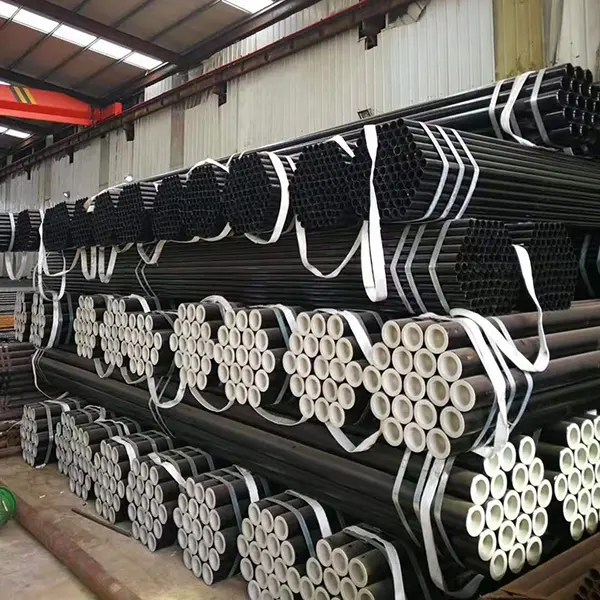
2 Schedule 40 Galvanized Pipe refers to steel pipe manufactured to dimensions specified in ANSI/ASME B36.10M, coated with a zinc layer to provide corrosion resistance. ‘2’ denotes the nominal pipe size in inches, and ‘Schedule 40’ defines the wall thickness, impacting pressure handling capability. This pipe occupies a fundamental position in fluid transfer systems across numerous industries – construction, plumbing, fire protection, and industrial process piping – acting as a cost-effective solution for conveying water, oil, gas, and other liquids. Its performance characteristics – primarily governed by material composition, manufacturing quality, and zinc coating integrity – dictate its suitability for various applications. Core performance considerations include its pressure rating, corrosion resistance, and long-term structural integrity. Industry pain points include consistent zinc coating quality, susceptibility to corrosion in specific environments, and challenges in ensuring thread integrity during installation.
Material Science & Manufacturing
The primary raw material for Schedule 40 galvanized pipe is low-carbon steel, typically ASTM A53 Grade B. This steel consists primarily of iron, with carefully controlled additions of carbon (typically less than 0.30%), manganese, phosphorus, and sulfur. These elements influence the steel's weldability, ductility, and strength. The galvanizing process involves immersing the steel pipe in a molten zinc bath. This creates a metallurgical bond, resulting in a series of zinc-iron alloy layers covered by a pure zinc outer layer. The manufacturing process begins with forming steel coils into pipe through processes like Electric Resistance Welding (ERW) or seamless extrusion. ERW involves rolling steel coils and welding the seam using an electric current. Seamless pipe is produced by piercing a solid billet and then drawing it to the desired dimensions. Critical parameters in the manufacturing process include precise temperature control during galvanizing (typically 450-460°C) to ensure consistent coating thickness and adherence. Coating thickness, measured in zinc weight per unit area (e.g., G90, meaning 0.90 ounces of zinc per square foot), is a key quality control parameter. Surface preparation prior to galvanizing – including pickling (acid cleaning) and fluxing – is crucial for optimal adhesion. Variations in steel composition, welding quality (for ERW pipe), and zinc bath chemistry impact the final product's properties.
Performance & Engineering
The performance of 2" Schedule 40 galvanized pipe is fundamentally governed by its ability to withstand internal pressure and external loads while resisting corrosion. The pressure rating is determined by the pipe’s dimensions (2" nominal diameter, Schedule 40 wall thickness) and the steel’s yield strength. Calculations based on Barlow’s formula (P = 2St/D, where P = pressure, S = tensile strength, t = wall thickness, D = diameter) establish the maximum allowable working pressure. External loads, such as those from soil, supports, or attached equipment, induce stress in the pipe wall. Engineering designs must account for these stresses to prevent buckling or yielding. Corrosion resistance, provided by the zinc coating, is a critical performance factor. Zinc acts as a sacrificial anode, corroding preferentially to the steel. However, in environments with low oxygen availability or high chloride concentrations, the zinc coating can be compromised, leading to localized corrosion (white rust) or galvanic corrosion if in contact with dissimilar metals. Compliance requirements include adherence to ANSI/ASME B36.10M for dimensions and tolerances, and ASTM A123 for the galvanizing process. Threaded connections require careful torque control during installation to ensure leak-tight seals and prevent thread stripping. Finite Element Analysis (FEA) is frequently used to model stress distribution under various loading conditions, optimizing support spacing and minimizing the risk of failure.
Technical Specifications
| Parameter | Specification | Testing Standard | Typical Value |
|---|---|---|---|
| Nominal Pipe Size | 2 inches | ANSI/ASME B36.10M | 2.375 inches (Outer Diameter) |
| Schedule | 40 | ANSI/ASME B36.10M | 0.154 inches (Wall Thickness) |
| Material | ASTM A53 Grade B | ASTM A53 | Low Carbon Steel |
| Zinc Coating | Hot-Dip Galvanized | ASTM A123 | G90 (0.90 oz/ft²) |
| Yield Strength (Minimum) | 36,000 psi | ASTM A53 | 36 ksi |
| Tensile Strength (Minimum) | 58,000 psi | ASTM A53 | 58 ksi |
Failure Mode & Maintenance
2" Schedule 40 galvanized pipe is susceptible to several failure modes. Corrosion is the most prevalent, manifesting as uniform corrosion (gradual zinc depletion), localized corrosion (pitting, crevice corrosion, white rust), and galvanic corrosion. Pitting corrosion, particularly in chloride-rich environments, can lead to perforation and leaks. Fatigue cracking can occur under cyclical loading, especially at threaded connections or weld points. This is exacerbated by stress concentrators and corrosive environments. Thread failure, resulting from improper installation (over-tightening, cross-threading), can also lead to leaks. Delamination of the zinc coating, often caused by inadequate surface preparation during galvanizing, reduces corrosion protection. Maintenance strategies include regular visual inspections to identify signs of corrosion (rust, blistering, flaking). Applying protective coatings (paint, epoxy) over the galvanized surface can enhance corrosion resistance, particularly in harsh environments. For damaged or corroded sections, repair options include patching (with appropriate corrosion-resistant materials) or complete replacement. Periodic hydrostatic testing can verify the pipe’s structural integrity and identify leaks. Proper grounding is essential to mitigate galvanic corrosion when the pipe is in contact with dissimilar metals. Preventative maintenance programs focused on controlling environmental factors (humidity, chloride exposure) and ensuring proper installation practices are crucial for maximizing service life.
Industry FAQ
Q: What is the primary difference between Schedule 40 and Schedule 80 galvanized pipe, and how does it impact application selection?
A: The primary difference lies in the wall thickness. Schedule 80 has a thicker wall than Schedule 40. This increased thickness translates to a higher pressure rating and greater resistance to mechanical damage. Schedule 40 is typically used for lower-pressure applications like water distribution and general plumbing, while Schedule 80 is preferred for high-pressure systems, steam lines, and applications where greater structural integrity is required.
Q: How does the presence of chlorides in the operating environment affect the longevity of galvanized pipe?
A: Chlorides are highly detrimental to galvanized pipe. They accelerate corrosion by penetrating the zinc coating and promoting localized corrosion, particularly pitting. In environments with high chloride concentrations (e.g., coastal areas, de-icing salt exposure), the lifespan of galvanized pipe is significantly reduced. Consider alternative materials like stainless steel or plastic piping in these scenarios.
Q: What are the critical considerations when joining galvanized pipe, specifically regarding threading and sealing?
A: Proper threading is paramount. Threads must be clean, undamaged, and properly lubricated with a thread sealant specifically designed for galvanized pipe. Over-tightening can strip the threads, while under-tightening can lead to leaks. Using a torque wrench to achieve the correct tightening pressure is recommended. The sealant should be compatible with the conveyed fluid and the galvanized material.
Q: Can galvanized pipe be used for flammable or explosive liquids? What are the limitations?
A: Generally, galvanized pipe is not recommended for flammable or explosive liquids due to the potential for static electricity buildup and the risk of creating sparks. While the zinc coating provides some cathodic protection, it doesn’t address the inherent risk of ignition. Use specifically rated piping materials designed for flammable fluids, such as stainless steel or specially coated carbon steel.
Q: What is the typical lifespan of a properly installed and maintained 2" Schedule 40 galvanized pipe system in a moderate climate?
A: In a moderate climate with minimal exposure to corrosive elements, a properly installed and maintained system can have a lifespan of 40-60 years. However, this is heavily dependent on the quality of the galvanizing, environmental conditions, and the frequency of preventative maintenance. Regular inspections and proactive corrosion control measures can significantly extend its service life.
Conclusion
2" Schedule 40 galvanized pipe remains a prevalent and cost-effective solution for numerous fluid transfer applications, owing to its reasonable strength, ease of installation, and inherent corrosion resistance. However, its long-term performance is significantly impacted by environmental factors, material quality, and adherence to proper installation and maintenance practices. Understanding the potential failure modes – primarily corrosion, fatigue cracking, and thread failure – is essential for ensuring system reliability and safety.
Future trends point toward increasing adoption of alternative materials, particularly in harsh environments where the limitations of galvanized steel are more pronounced. However, for applications where cost-effectiveness and proven performance are paramount, galvanized pipe will likely remain a viable option, provided that appropriate corrosion protection measures and regular maintenance are implemented. A comprehensive life cycle cost analysis, considering both initial investment and long-term maintenance expenses, is crucial for informed material selection.
