
Introduction
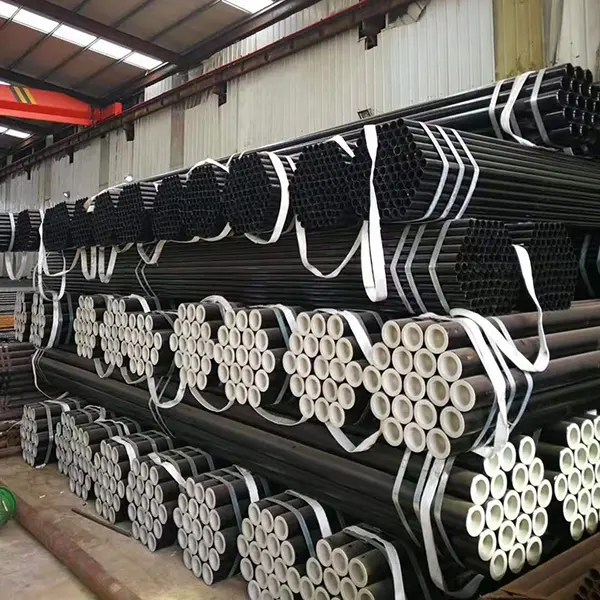
30 galvanized pipe, commonly Schedule 40 steel pipe coated with a zinc layer, represents a critical component in fluid and gas conveyance systems across diverse industrial and construction applications. Its technical position lies within the broader piping infrastructure, serving as a cost-effective alternative to more corrosion-resistant alloys in environments where moderate protection is sufficient. The zinc coating provides sacrificial corrosion protection to the underlying steel, significantly extending service life compared to bare carbon steel. Core performance characteristics are defined by its pressure rating, tensile strength, corrosion resistance, and adherence to dimensional standards. A primary industry pain point is managing the long-term degradation of the zinc coating and the potential for localized corrosion, particularly in aggressive environments. Understanding the nuances of galvanization processes, coating thickness, and proper installation techniques are paramount to mitigating these risks and ensuring the structural integrity of piping systems.
Material Science & Manufacturing
The primary material for 30 galvanized pipe is low-carbon steel, typically ASTM A53 Grade B. This steel contains a relatively low carbon content (typically less than 0.30%) to enhance weldability and ductility. The steel's microstructure consists primarily of ferrite and pearlite, influencing its mechanical properties. The galvanization process involves several stages. Initially, the steel pipe undergoes meticulous cleaning, including pickling with hydrochloric or sulfuric acid to remove mill scale and rust. This is followed by fluxing, typically with zinc ammonium chloride, to prepare the surface for zinc adhesion. Finally, the pipe is immersed in a molten zinc bath (98% pure zinc) at a temperature of approximately 450°C (842°F). The steel reacts with the molten zinc, forming a series of zinc-iron alloy layers, followed by a top layer of pure zinc. Critical manufacturing parameters include bath temperature control (affecting coating thickness and uniformity), withdrawal speed (influencing coating adherence), and cooling rates (minimizing thermal stress). Coating thickness is typically specified according to ASTM A123, ranging from 0.002 to 0.006 inches (50.8 to 152.4 μm). Chemical compatibility considerations include avoiding direct contact with dissimilar metals (creating galvanic corrosion) and minimizing exposure to acidic solutions that accelerate zinc dissolution.
Performance & Engineering
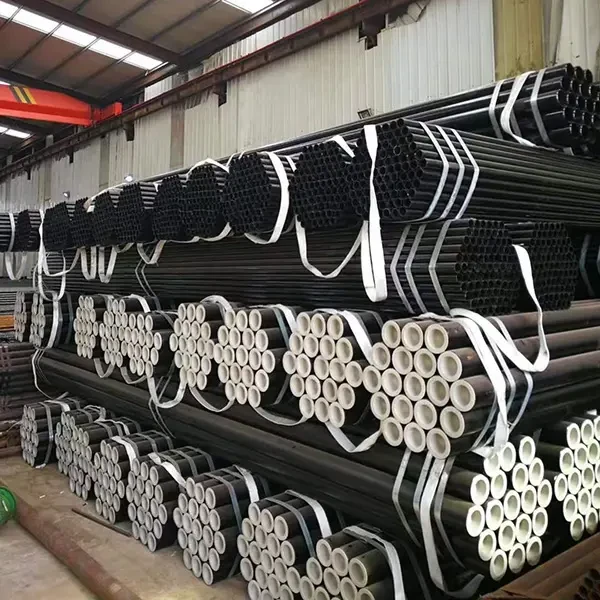
The performance of 30 galvanized pipe is largely dictated by its ability to withstand internal pressure, external loads, and corrosive environments. Force analysis considers hoop stress due to internal pressure, calculated using Barlow's formula (S = PD/2t, where S is hoop stress, P is internal pressure, D is pipe diameter, and t is wall thickness). External loads, such as weight of the pipe and attached equipment, necessitate proper pipe support and anchoring to prevent bending and buckling. Environmental resistance primarily relies on the sacrificial protection offered by the zinc coating. However, this protection diminishes over time due to zinc corrosion, particularly in the presence of chlorides, sulfates, and acidic rain. The rate of corrosion is also affected by temperature and humidity. Compliance requirements vary depending on the application. For potable water systems, the pipe must meet NSF/ANSI 61 standards for lead content and extractables. For structural applications, adherence to ASME B31.1 (Power Piping) or ASME B31.3 (Process Piping) is crucial, outlining design, fabrication, and inspection requirements. Galvanic corrosion mitigation strategies include using dielectric unions when connecting to dissimilar metals and applying protective coatings to areas susceptible to accelerated corrosion.
Technical Specifications
| Parameter | Specification (Typical) | Test Method | Units |
|---|---|---|---|
| Nominal Pipe Size | 30 inches | Measurement | inches |
| Schedule | 40 | Dimensional Inspection | - |
| Material | ASTM A53 Grade B Carbon Steel | Chemical Analysis | - |
| Zinc Coating Thickness | 0.002 – 0.006 | ASTM A123 | inches |
| Yield Strength (Steel) | 36,000 | ASTM A53 | psi |
| Tensile Strength (Steel) | 58,000 | ASTM A53 | psi |
Failure Mode & Maintenance
Common failure modes for 30 galvanized pipe include uniform corrosion (gradual zinc depletion), localized corrosion (pitting, crevice corrosion, galvanic corrosion), and mechanical failure (fatigue cracking, impact damage). Pitting corrosion is particularly problematic, as it can lead to rapid perforation of the pipe wall even with a relatively intact overall coating. Fatigue cracking can occur due to repeated stress cycles, especially in systems subjected to vibration or pressure fluctuations. Delamination of the zinc coating, caused by poor surface preparation or coating defects, reduces its protective efficacy. Oxidation of the zinc coating results in the formation of white rust (zinc oxide), accelerating corrosion. Maintenance strategies include regular visual inspections for signs of corrosion, coating damage, and leaks. Periodic cleaning to remove dirt and debris helps prevent localized corrosion. For minor coating damage, zinc-rich paints or coatings can be applied for localized repair. Cathodic protection (using sacrificial anodes or impressed current systems) can be employed in aggressive environments to minimize corrosion rates. In cases of significant corrosion or mechanical damage, pipe replacement is essential.
Industry FAQ
Q: What is the expected service life of 30 galvanized pipe in a typical industrial water application?
A: The service life varies significantly based on water quality, temperature, and flow velocity. In relatively clean, neutral pH water, a lifespan of 20-30 years is achievable. However, in aggressive environments with high chloride concentrations or fluctuating pH, the lifespan may be reduced to 10-15 years or less. Regular monitoring and maintenance are crucial to maximizing service life.
Q: How does the galvanization process affect the dimensional accuracy of the pipe?
A: The galvanization process can induce slight dimensional changes due to the formation of the zinc-iron alloy layers. Typically, there's a slight increase in diameter and wall thickness. However, reputable manufacturers control these changes to remain within acceptable tolerances as defined by relevant standards (e.g., ASME B31.3).
Q: Is galvanized pipe suitable for use with high-pressure steam?
A: Generally, no. While galvanized pipe can withstand moderate pressures, it is not recommended for high-pressure steam applications. The elevated temperature accelerates zinc corrosion and can lead to hydrogen embrittlement of the steel substrate, reducing its strength. Carbon steel or alloy steel pipe is preferred for steam service.
Q: What are the primary considerations when welding galvanized pipe?
A: Welding galvanized pipe requires careful preparation to avoid health hazards from zinc fumes. The galvanization must be completely removed from the weld area prior to welding. Proper ventilation and respiratory protection are essential. Using a welding process suitable for the underlying steel (e.g., SMAW, GMAW) is crucial. Post-weld inspection is vital to ensure weld integrity.
Q: What is the difference between hot-dip galvanizing and electrogalvanizing? Which is better for large-diameter pipe?
A: Hot-dip galvanizing (described earlier) provides a thicker, more durable coating and better corrosion protection due to the thicker zinc-iron alloy layers. Electrogalvanizing uses an electrolytic process to deposit a thinner zinc coating. For large-diameter pipe like 30-inch pipe, hot-dip galvanizing is overwhelmingly preferred due to its superior corrosion resistance and coating adhesion. Electrogalvanizing is generally used for smaller components and fasteners.
Conclusion
30 galvanized pipe represents a widely utilized, cost-effective solution for fluid and gas conveyance. Its performance is intrinsically linked to the quality of the steel substrate, the integrity of the galvanization process, and the specific environmental conditions. Understanding the material science, manufacturing techniques, and potential failure modes is paramount for ensuring the long-term reliability and safety of piping systems.
Ongoing advancements in coating technologies, such as the development of enhanced zinc alloys and pre-treatment processes, aim to further improve the corrosion resistance and extend the service life of galvanized pipe. Proactive maintenance programs, coupled with adherence to industry standards and best practices, are essential for mitigating risks and maximizing the return on investment for this widely-used industrial component.
