
Introduction
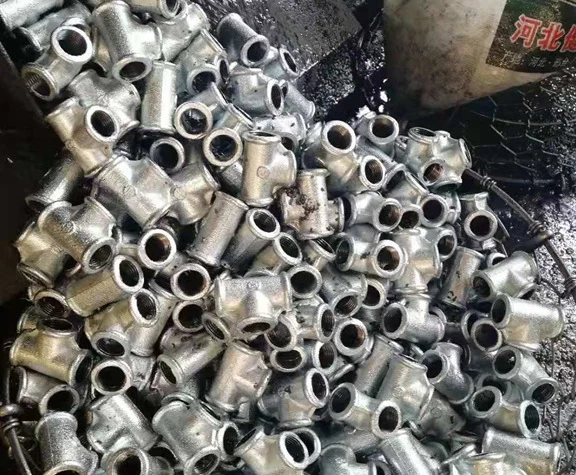
4-inch galvanized pipe, a staple in fluid conveyance systems, represents a critical component in infrastructure across multiple industries including water distribution, fire suppression, and industrial processing. Galvanization, the process of applying a protective zinc coating to steel, significantly enhances the pipe’s resistance to corrosion, extending its service life and reducing maintenance costs. Its price is impacted by raw material costs (steel and zinc), manufacturing processes, market demand, and geographical location. This guide provides an in-depth technical overview of 4-inch galvanized pipe, encompassing material science, manufacturing methods, performance characteristics, failure modes, and relevant industry standards. Understanding these factors is crucial for informed procurement decisions, ensuring optimal system performance, and mitigating potential risks associated with material degradation.
Material Science & Manufacturing
The primary material for 4-inch galvanized pipe is carbon steel, typically conforming to ASTM A53 Grade B. This steel consists predominantly of iron, with carbon content influencing its strength and weldability. The galvanization process involves immersing the steel pipe in a molten zinc bath, creating a metallurgical bond between the zinc coating and the steel substrate. The zinc acts as a sacrificial anode, preferentially corroding in place of the steel, thereby protecting the underlying material. Manufacturing begins with steel coil processing, forming into seamless or welded pipe. Seamless pipes, produced via extrusion, offer higher pressure ratings and uniformity. Welded pipes, formed by rolling and welding steel plates, are generally more cost-effective. Critical manufacturing parameters include pickling (surface cleaning to remove mill scale), fluxing (application of a chemical agent to promote zinc adhesion), galvanizing temperature (typically 450-460°C), cooling rate, and post-treatment passivation to enhance coating adherence and prevent "white rust" formation (zinc oxide). Coating thickness, measured in weight per unit area (e.g., G90 – 0.90 oz/ft2), is a crucial quality control parameter. Zinc alloy composition (e.g., zinc-aluminum coatings) is an evolving area, offering enhanced corrosion resistance.
Performance & Engineering
The mechanical performance of 4-inch galvanized pipe is dictated by the steel grade and pipe dimensions (wall thickness, diameter). Key engineering considerations include pressure rating (dependent on wall thickness and steel yield strength), tensile strength (typically exceeding 60,000 psi for A53 Grade B steel), yield strength (approximately 36,000 psi), and elongation. Environmental resistance is paramount; galvanized coatings provide excellent protection against atmospheric corrosion, but performance in submerged environments (soil, seawater) is influenced by soil resistivity, chloride concentration, and oxygen availability. Cathodic protection (e.g., sacrificial anodes or impressed current systems) may be necessary in highly corrosive environments. Compliance with relevant standards (AWWA C151, ASTM A123) is essential for ensuring structural integrity and safe operation. Stress analysis during installation and operation is vital to prevent exceeding allowable stress limits, which can lead to premature failure. Thermal expansion and contraction, particularly in long pipeline runs, must be accounted for via expansion loops or flexible joints. The pipe's ability to handle fluid flow is governed by its internal diameter and surface roughness, affecting friction losses and pumping requirements.
Technical Specifications
| Nominal Pipe Size | Outside Diameter (in) | Wall Thickness (in) | Weight per Foot (lbs) |
|---|---|---|---|
| 4 | 4.500 | 0.154 | 10.77 |
| 4 | 4.500 | 0.180 | 12.43 |
| 4 | 4.500 | 0.218 | 14.96 |
| 4 | 4.500 | 0.237 | 16.35 |
| 4 | 4.500 | 0.258 | 17.95 |
| 4 | 4.500 | 0.280 | 20.06 |
Failure Mode & Maintenance
4-inch galvanized pipe is susceptible to several failure modes. Corrosion, despite the protective zinc coating, remains a primary concern, particularly in aggressive environments. Uniform corrosion gradually reduces wall thickness, while pitting corrosion creates localized weaknesses. Galvanic corrosion can occur when the galvanized pipe is in contact with dissimilar metals in the presence of an electrolyte. Mechanical damage, such as denting or cracking during handling and installation, can compromise structural integrity. Thread failure at joints is common due to improper tightening or corrosion of the threads. Fatigue cracking can occur under cyclic loading conditions. Maintenance strategies include regular visual inspections for signs of corrosion, coating damage, or leaks. Protective coatings (e.g., epoxy paints) can be applied to enhance corrosion resistance. Cathodic protection should be considered in high-risk environments. Joints should be periodically inspected and retightened as needed. In cases of significant corrosion or damage, pipe sections should be replaced. Proper drainage and ventilation are critical to minimize corrosion rates in buried pipelines. Internal cleaning to remove sediment and debris can prevent localized corrosion.
Industry FAQ
Q: What is the typical lifespan of a 4-inch galvanized pipe in a freshwater distribution system?
A: The lifespan varies significantly based on water quality (pH, chloride content), soil conditions (if buried), and maintenance practices. However, a well-maintained 4-inch galvanized pipe in a freshwater system can reasonably be expected to last 50-70 years, although some systems may require replacement after 30-40 years due to excessive corrosion and scaling.
Q: How does the cost of 4-inch galvanized pipe compare to alternative materials like ductile iron or PVC?
A: Galvanized steel pipe is generally more expensive upfront than PVC but typically less expensive than ductile iron. However, lifecycle costs (including maintenance and replacement) should be considered. PVC offers superior corrosion resistance but lower pressure ratings and may not be suitable for all applications. Ductile iron provides high strength and durability but is the most expensive option.
Q: What are the limitations of using 4-inch galvanized pipe in high-chloride environments, such as coastal areas?
A: Chloride ions accelerate corrosion of both the steel substrate and the zinc coating. In high-chloride environments, the zinc coating is depleted more rapidly, leading to premature failure. Cathodic protection and the use of more corrosion-resistant coatings are essential to mitigate this risk. Alternatives like stainless steel or specialized alloy pipes may be considered for critical applications.
Q: What is the effect of water flow velocity on the corrosion rate of galvanized pipe?
A: Higher flow velocities can increase corrosion rates due to erosion of the protective zinc coating and increased oxygen availability. Maintaining optimal flow velocities (typically below 5-7 ft/s) can help minimize corrosion. Internal scaling can also contribute to erosion corrosion.
Q: Are there any specific considerations for joining 4-inch galvanized pipe using threaded connections?
A: Proper thread preparation and the use of a suitable thread sealant are crucial to prevent leaks and galvanic corrosion. Applying a zinc-rich compound to the threads before assembly helps maintain the protective coating. Avoid using excessive torque during tightening, as this can damage the threads. Regular inspection and retightening of connections are essential.
Conclusion
4-inch galvanized pipe remains a viable and cost-effective solution for many fluid conveyance applications, offering a balance of strength, durability, and corrosion resistance. However, understanding the underlying material science, manufacturing processes, and potential failure modes is critical for ensuring long-term performance and minimizing lifecycle costs. Proper design, installation, and maintenance practices are essential to maximize the lifespan of galvanized pipe systems.
The future of galvanized pipe technology includes advancements in coating materials (e.g., zinc-aluminum alloys, organic coatings) and improved manufacturing techniques to enhance corrosion protection and structural integrity. Furthermore, incorporating sophisticated monitoring systems for corrosion detection and predictive maintenance will become increasingly important in optimizing the performance and reliability of these critical infrastructure components.
