
Introduction
Galvanized iron (GI) pipe, specifically 8-inch diameter, represents a crucial component in fluid transport systems across various industrial applications. Positioned within the broader piping infrastructure supply chain, it serves as a fundamental element for water distribution, sewage systems, fire suppression networks, and certain industrial process lines. The ‘price’ of this commodity is determined not only by raw material costs (iron ore, zinc) but also by manufacturing processes, coating quality, transportation expenses, and prevailing market demand. Core performance characteristics revolve around its corrosion resistance, pressure handling capabilities, and longevity, directly impacting lifecycle costs for operators. This guide provides an in-depth technical analysis of 8-inch GI pipe, detailing material science, manufacturing, performance considerations, failure modes, and industry standards, all contributing to a comprehensive understanding of value and application.
Material Science & Manufacturing
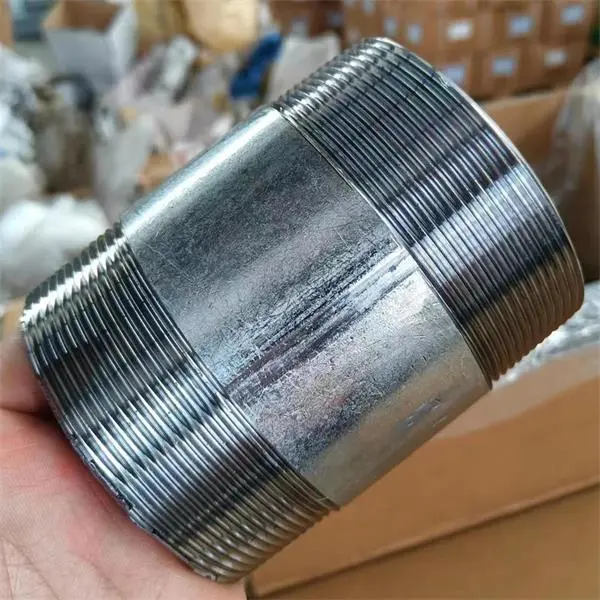
The primary material for 8-inch GI pipe is carbon steel, typically ASTM A53 Grade B, characterized by its tensile strength and weldability. The steel’s composition (primarily iron with controlled carbon content, manganese, sulfur, and phosphorus) dictates its mechanical properties. The crucial step is galvanization – applying a protective zinc coating. This is commonly achieved through hot-dip galvanizing, immersing the steel pipe in molten zinc (98% purity or higher) creating a metallurgical bond. The zinc acts as a sacrificial anode, corroding preferentially to protect the underlying steel. Manufacturing involves seamless or welded construction. Seamless pipes, produced through mandrel piercing of solid steel billets, offer superior pressure ratings and uniformity. Welded pipes, formed by rolling steel plates and electrically resistance welding (ERW) or submerged arc welding (SAW), are generally more cost-effective. Key parameters during manufacturing include precise control of zinc bath temperature (around 450-460°C), immersion time, cooling rate, and post-galvanizing inspection for coating thickness and uniformity. The coating thickness is critical, typically ranging from 85-120 μm depending on the application and standard. The surface preparation prior to galvanization – pickling to remove mill scale and fluxes to promote adhesion – directly impacts coating durability. Zinc alloy layers (Fe-Zn) formed during the process contribute to coating robustness.
Performance & Engineering
Performance of 8-inch GI pipe centers around its ability to withstand internal pressure, external loads (soil loading, traffic loads), and corrosive environments. Force analysis involves calculating hoop stress (σh = PD/2t, where P is pressure, D is diameter, and t is wall thickness) and longitudinal stress. Wall thickness is a critical design parameter, directly influencing pressure handling capacity. Environmental resistance is paramount. While galvanization provides excellent corrosion protection, the rate of zinc consumption depends on environmental factors like soil pH, moisture content, chloride concentration, and temperature. In aggressive environments, supplemental cathodic protection (sacrificial anodes or impressed current systems) may be necessary. Compliance requirements are dictated by regional regulations (e.g., AWWA standards in North America, EN standards in Europe). Engineers must consider soil resistivity for buried pipelines, as low resistivity accelerates corrosion. Proper jointing techniques (threaded connections, flanged connections, welded connections) are vital to prevent leakage and maintain structural integrity. Threaded connections require appropriate thread sealant to prevent corrosion at the joints. The pipe’s weight (approximately 88.3 kg/meter for a standard wall thickness) must be accounted for during installation and support design.
Technical Specifications
| Parameter | Specification (Typical) | Test Method | Unit |
|---|---|---|---|
| Nominal Diameter | 8 inches (219.1 mm) | Measurement | mm |
| Wall Thickness | Schedule 40 (4.2 mm) / Schedule 80 (6.35 mm) | Ultrasonic Thickness Testing | mm |
| Material | ASTM A53 Grade B Carbon Steel | Chemical Analysis | - |
| Zinc Coating Thickness | 85-120 μm | ASTM A123 | μm |
| Yield Strength (Steel) | 250 MPa (min.) | Tensile Testing | MPa |
| Tensile Strength (Steel) | 400 MPa (min.) | Tensile Testing | MPa |
Failure Mode & Maintenance
Common failure modes for 8-inch GI pipe include corrosion (uniform corrosion, pitting corrosion, galvanic corrosion), fatigue cracking (due to cyclical loading or vibration), and mechanical damage (impact, bending). Corrosion is the most prevalent issue, particularly in aggressive soil environments. Pitting corrosion, localized attack, can lead to rapid penetration and leakage. Fatigue cracking can occur near welds or stress concentrations. Maintenance strategies involve regular inspection for coating defects (scratches, blisters), corrosion activity, and leaks. Non-destructive testing (NDT) methods like ultrasonic testing (UT) and radiographic testing (RT) can detect internal corrosion and cracks. External coatings (epoxy coatings, polyethylene sleeves) can provide supplemental corrosion protection. Cathodic protection is critical in high-risk environments. For minor coating damage, repair using zinc-rich paints is recommended. For significant corrosion or cracking, pipe replacement is often necessary. Proper grounding of the pipeline system is essential to minimize galvanic corrosion. Periodic cleaning to remove debris and scale can prevent blockage and reduce corrosion rates. Maintaining records of inspection and maintenance activities is crucial for lifecycle management.
Industry FAQ
Q: What is the typical lifespan of an 8-inch GI pipe installed in a moderately corrosive soil environment?
A: The typical lifespan ranges from 50 to 70 years, but this heavily depends on soil conditions, coating quality, and the presence of supplemental corrosion protection. Regular inspections and maintenance are crucial to maximizing longevity. In severely corrosive soils, lifespan may be significantly reduced without adequate mitigation strategies.
Q: What are the advantages of using seamless pipe over welded pipe for high-pressure applications?
A: Seamless pipe offers superior pressure handling capabilities due to the absence of weld seams, which are potential points of failure. It also exhibits greater uniformity in mechanical properties and resistance to fatigue cracking. Welded pipe is generally more cost-effective but requires stringent quality control of the welding process.
Q: How does soil resistivity impact corrosion rates in buried GI pipe?
A: Lower soil resistivity indicates higher moisture content and ion concentration, accelerating corrosion rates. High resistivity soils provide better corrosion protection. Soil resistivity measurements are used to determine the need for cathodic protection or supplemental coatings.
Q: What is the role of the zinc coating in preventing corrosion?
A: The zinc coating acts as a sacrificial anode. It corrodes preferentially to the steel, providing cathodic protection to the underlying steel. This process slows down the corrosion of the steel, extending the lifespan of the pipe.
Q: What are the considerations when joining GI pipes – threaded vs. welded connections?
A: Threaded connections are simpler and more cost-effective for smaller diameters but can be prone to leakage if not properly sealed. Welded connections provide a stronger, more leak-proof joint but require skilled welders and quality control. Galvanic corrosion can occur at threaded connections if dissimilar metals are used; a compatible thread sealant is essential.
Conclusion
The 8-inch galvanized iron pipe remains a viable and cost-effective solution for numerous fluid transport applications. Its performance is intrinsically linked to the quality of its material selection, manufacturing processes, and adherence to established industry standards. Understanding the underlying material science – specifically the protective mechanism of the zinc coating – is paramount to predicting long-term performance.
Proactive inspection and maintenance, tailored to the specific environmental conditions and operational demands, are critical to preventing premature failure and optimizing the lifecycle cost of these pipelines. Continuous advancements in coating technologies and corrosion monitoring techniques will further enhance the durability and reliability of 8-inch GI pipe systems.
