A pipe spool prepared for a horizontal slurry pump installation can turn into a projectile if it is cut before trapped pressure and stored energy are ruled out. For production supervisors, the danger is preventable: the job must not proceed until the line’s condition, isolation points, and work sequence have been verified.
That same discipline applies across pipe, tube, and fitting operations. Cutting, beveling, welding, lifting, and pressure testing each introduce different hazards, but rushed handoffs and unclear work instructions can connect them into one serious incident. A reliable process makes hazards visible before tools are energized or loads are moved.
The hazard often starts at the handoff
Consider a spool returned from testing for a last-minute weld correction. The test crew has drained it, but a low point still holds liquid; a valve is closed rather than positively isolated; and the welder has received only a verbal assurance that the section is safe. When the pipe is opened or heated, residual pressure or fluid can escape, exposing workers to impact, burns, or hazardous substances.
The underlying failure is not simply “carelessness.” It is a weak transfer of control between testing and fabrication. If the status of the spool, the isolation method, and the person responsible for confirming zero energy are not recorded, each worker may assume someone else has checked.
Conditions that turn routine work into an incident
- Work orders omit pipe contents, test status, or the required isolation points.
- A spool is assumed empty without opening suitable drains or checking low points.
- Cutting and hot work begin before permits, gas testing, or fire controls are in place.
- Long pipe sections are supported inadequately, allowing them to roll, sag, or shift during machining.
- Lifting plans do not account for uneven weight distribution, protruding fittings, or changing center of gravity.
- Production pressure encourages teams to bypass hold points or accept incomplete inspection records.
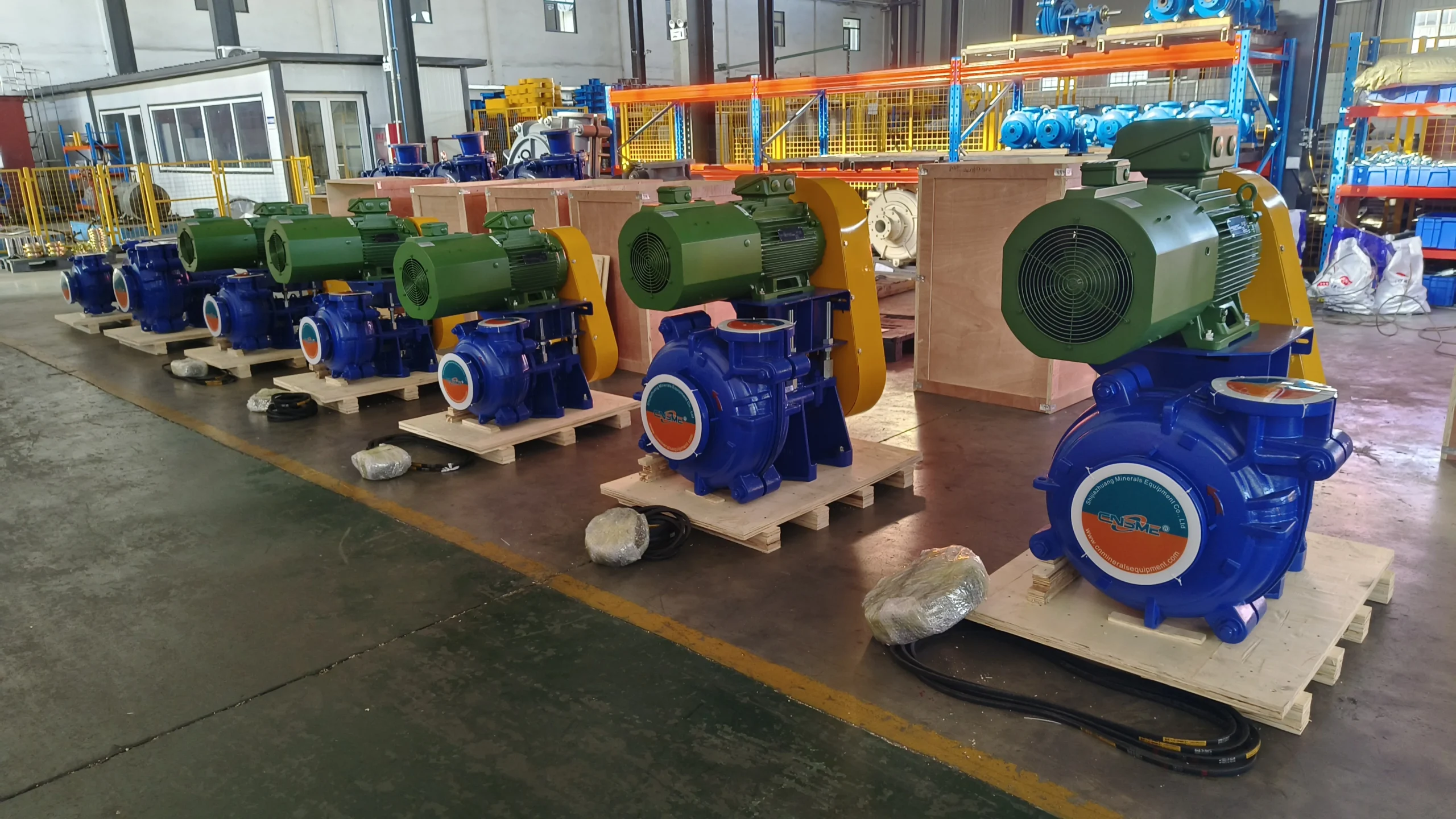
Material and equipment choices also affect safe handling. Heavy-duty components, including a vertical cantilever sump pump, can require dedicated lifting arrangements and clear access around the work area. Confirming dimensions, mass, and connection details before fabrication helps avoid improvised supports and last-minute adjustments.
Put controls in the sequence, not just the toolbox talk
A toolbox talk is useful, but it cannot substitute for engineered controls and documented steps. Before work starts, identify the task-specific hazards and establish who has authority to release each stage. Use a written isolation and verification process for any returned, previously tested, or service-exposed pipework.
- Isolate and verify: Identify every energy source, apply lockout/tagout where required, drain and vent the section, and verify a zero-energy state using an appropriate method. Never rely on a closed valve alone when positive isolation is required.
- Secure the workpiece: Use stable stands, stops, and clamps suited to the pipe diameter and operation. Keep hands clear of pinch points and prevent rotation before cutting, facing, or beveling.
- Control hot work: Confirm the permit, remove or shield combustibles, provide suitable ventilation, and position fire-watch coverage as required. Check adjacent spaces and the reverse side of the work for ignition risks.
- Plan every lift: Select rated lifting gear, inspect it before use, establish a clear exclusion zone, and use tag lines when appropriate. Do not allow personnel beneath suspended loads or between a load and a fixed object.
- Manage test pressure: Define test boundaries, use calibrated instruments, keep people outside the hazard zone, and raise pressure in controlled stages. Depressurize fully before removing restraints or making adjustments.
Supervisor’s pre-start and changeover checks
Use this checklist at the point of work, not only during a scheduled audit. If an answer is uncertain, pause the task and resolve the gap before production continues.
- ☐ Does the work order identify the material, dimensions, process steps, and known service or test history?
- ☐ Have stored energy, residual contents, and isolation points been addressed and verified?
- ☐ Are pipe supports, machine guards, clamps, and lifting accessories suitable and in serviceable condition?
- ☐ Are hot-work or pressure-test permits current, with boundaries and responsibilities understood by the crew?
- ☐ Is the exclusion zone clear, and can workers move away from pinch points, suspended loads, and likely release paths?
- ☐ Have changes in material, dimensions, sequence, or work conditions triggered a fresh risk review?
- ☐ Is the release between fabrication, inspection, and testing documented, with a named person accountable for each handoff?
Make the stop point part of the standard
The strongest pipe-shop safety system treats uncertainty as a stop-work trigger, not a reason to improvise. Clear work instructions, verified isolation, stable material handling, and documented handoffs turn process discipline into a practical barrier against injury. Supervisors should make it easy for any worker to pause the job, raise a concern, and restart only after the hazard has been controlled.
