
Introduction
The connection of galvanized steel pipe to copper pipe presents a significant challenge in plumbing and piping systems due to the inherent galvanic corrosion potential between the two dissimilar metals. Galvanized steel, consisting of a steel core coated with zinc, and copper exhibit markedly different electrochemical potentials. When these metals are directly connected in the presence of an electrolyte (such as water), a galvanic cell is formed, resulting in accelerated corrosion of the more anodic metal – in this case, typically the galvanized steel. This technical guide provides an in-depth examination of the material science, engineering considerations, failure modes, and best practices for establishing a durable and reliable connection between galvanized and copper piping. The critical focus is mitigating galvanic corrosion through appropriate connector selection, dielectric unions, and preventative maintenance. Understanding these principles is vital for ensuring long-term system integrity and avoiding costly repairs or failures. This document serves as a comprehensive resource for engineers, plumbers, and procurement professionals responsible for designing, installing, and maintaining mixed-metal piping systems.
Material Science & Manufacturing
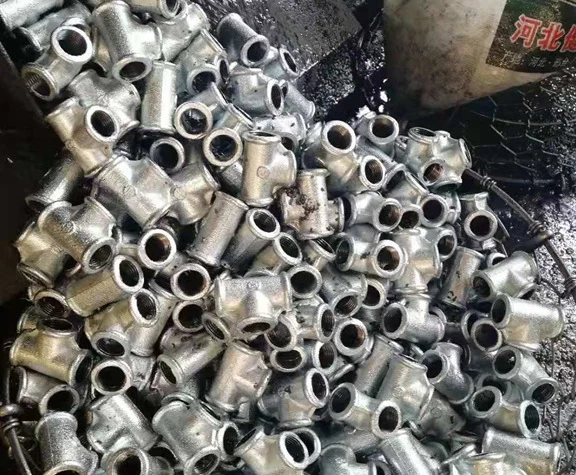
Galvanized steel pipe is manufactured through a hot-dip galvanization process, where steel pipe is immersed in molten zinc. This process creates a metallurgical bond between the zinc coating and the underlying steel, providing cathodic protection to the steel core. The zinc corrodes preferentially, sacrificing itself to protect the steel. The quality of the galvanization (coating thickness, uniformity, and adherence) significantly impacts corrosion resistance. Steel used in galvanized pipe typically conforms to ASTM A53 standards, defining chemical composition and mechanical properties. Copper pipe is commonly produced via extrusion or drawing processes, resulting in varying tempers (Type K, L, and M) that dictate ductility and pressure rating. Copper’s corrosion resistance stems from its formation of a protective patina – a layer of copper oxides and carbonates – when exposed to atmospheric conditions. Manufacturing tolerances in both materials influence the compatibility of joining methods. Dielectric unions are typically manufactured from brass bodies with internal polymeric insulators (e.g., nylon, phenolic resin) molded to prevent metallic contact. The quality of the polymer and its bond to the brass are crucial for long-term effectiveness. The manufacturing of transition fittings, often brass or bronze, involves careful casting and machining to ensure precise dimensions and smooth internal surfaces to minimize turbulence and localized corrosion. The use of lead-free alloys is increasingly common to meet potable water regulations.
Performance & Engineering
The primary engineering challenge when connecting galvanized steel and copper lies in mitigating galvanic corrosion. The electrochemical potential difference between zinc (galvanized steel) and copper is substantial, typically around 1.0-1.2 volts. This potential difference drives the flow of electrons from the zinc to the copper in the presence of an electrolyte, accelerating zinc corrosion. The rate of corrosion is influenced by several factors, including electrolyte conductivity (water hardness, salinity), temperature, surface area ratio of the metals, and the presence of oxygen. Force analysis is critical when selecting connectors. Piping systems are subject to internal pressure, external loads (weight of the pipe and fluid), and thermal expansion/contraction. Connectors must be rated to withstand these forces without failure. Dielectric unions must maintain a secure mechanical connection while providing electrical isolation. Compliance requirements vary by region and application. Potable water systems are subject to strict regulations regarding lead content (e.g., NSF/ANSI 61, EPA Safe Drinking Water Act). Industrial applications may have additional requirements related to corrosion resistance, chemical compatibility, and pressure ratings. Finite element analysis (FEA) can be employed to model stress distributions in connectors and predict potential failure points. Careful consideration must be given to the flow dynamics at the connection to minimize turbulence, which can accelerate erosion corrosion.
Technical Specifications
| Parameter | Galvanized Steel Pipe (ASTM A53 Grade B) | Copper Pipe (Type L) | Dielectric Union (Brass Body/Nylon Insert) |
|---|---|---|---|
| Material Composition | Steel (0.25-0.35% Carbon), Zinc Coating (variable thickness) | Copper (99.9% minimum) | Brass (60-70% Copper, 30-40% Zinc), Nylon 6/6 |
| Electrochemical Potential (vs. Standard Hydrogen Electrode) | -1.1 V | +0.34 V | N/A (Non-Conductive Insert) |
| Tensile Strength | 480-570 MPa | 240-310 MPa | N/A (Component Strength Dependent) |
| Corrosion Rate (in seawater) | High (Zinc sacrificial corrosion) | Low (Formation of protective patina) | Negligible (with intact dielectric insulation) |
| Operating Temperature Range | -20°C to 200°C | -50°C to 150°C | -40°C to 80°C |
| Maximum Operating Pressure | Variable (dependent on wall thickness & diameter) | Variable (dependent on wall thickness & diameter) | Equivalent to pipe rating (typically up to 300 psi) |
Failure Mode & Maintenance
The predominant failure mode in galvanized-to-copper connections is accelerated corrosion of the galvanized steel due to galvanic action. This manifests as pitting corrosion, localized thinning of the pipe wall, and eventual perforation. Crevice corrosion can occur within the dielectric union if contaminants accumulate between the brass body and the nylon insert. Fatigue cracking can occur in the threads of connectors subjected to repeated thermal cycling and pressure fluctuations. Delamination of the zinc coating from the steel substrate can also contribute to corrosion. Maintenance strategies include regular visual inspections for signs of corrosion (rust, discoloration, leaks). Periodic testing of water chemistry (pH, conductivity, chloride content) can identify conditions that exacerbate corrosion. Applying a corrosion-inhibiting coating to the galvanized steel pipe before installation can provide an additional layer of protection. Ensuring proper grounding of the piping system can minimize stray current corrosion. Dielectric unions should be periodically checked for electrical continuity to verify the integrity of the insulating insert. If corrosion is detected, the affected components should be replaced promptly. In severe cases, complete system replacement may be necessary. Proper torqueing of connectors is also essential; over-tightening can damage the threads and compromise the seal, while under-tightening can lead to leaks and corrosion.
Industry FAQ
Q: What is the primary reason galvanized steel corrodes when connected to copper?
A: The corrosion occurs due to galvanic corrosion. Copper and galvanized steel have significantly different electrochemical potentials. When connected in the presence of an electrolyte (water), the more anodic metal (galvanized steel) corrodes preferentially to protect the more cathodic metal (copper). The rate is influenced by water quality and the surface area ratio.
Q: Can I simply use pipe dope or Teflon tape to prevent corrosion at the connection?
A: While pipe dope and Teflon tape can create a seal, they do not provide adequate electrical isolation to prevent galvanic corrosion. These materials are not dielectric and will not disrupt the flow of electrons between the metals. A dedicated dielectric union is essential.
Q: What is the best way to install a dielectric union in a galvanized-to-copper connection?
A: The dielectric union should be installed with the brass body connecting to the copper pipe and the steel side connecting to the galvanized steel pipe. Ensure proper threading and use a thread sealant compatible with both metals. Avoid excessive torque during installation, as this can damage the union.
Q: Are there alternative materials to dielectric unions that can prevent galvanic corrosion?
A: While dielectric unions are the most common solution, alternative methods include using short sections of a third, compatible metal (e.g., brass) as a transition piece, or utilizing non-metallic piping (e.g., PVC, CPVC) for a portion of the connection. However, these alternatives may have limitations based on pressure, temperature, and application requirements.
Q: How often should dielectric unions be inspected for corrosion?
A: Dielectric unions should be inspected annually, or more frequently in harsh environments (e.g., high salinity, acidic water). Look for signs of corrosion on the brass body or damage to the insulating insert. Electrical continuity testing can verify the integrity of the insulation.
Conclusion
Successfully connecting galvanized steel and copper piping demands a thorough understanding of galvanic corrosion principles and the implementation of effective mitigation strategies. The inherent electrochemical incompatibility of these metals necessitates the use of dielectric unions, proper installation techniques, and regular maintenance to ensure long-term system reliability. Ignoring these considerations can lead to accelerated corrosion, premature failure, and potentially costly repairs.
Future advancements in corrosion-resistant coatings and alloy development may offer alternative solutions for connecting dissimilar metals. However, for existing systems and many new installations, dielectric unions remain the most practical and cost-effective method for preventing galvanic corrosion. Continuous monitoring of water quality and proactive maintenance are essential for maximizing the lifespan of mixed-metal piping systems and maintaining the integrity of potable water supplies and industrial processes.
