
Introduction
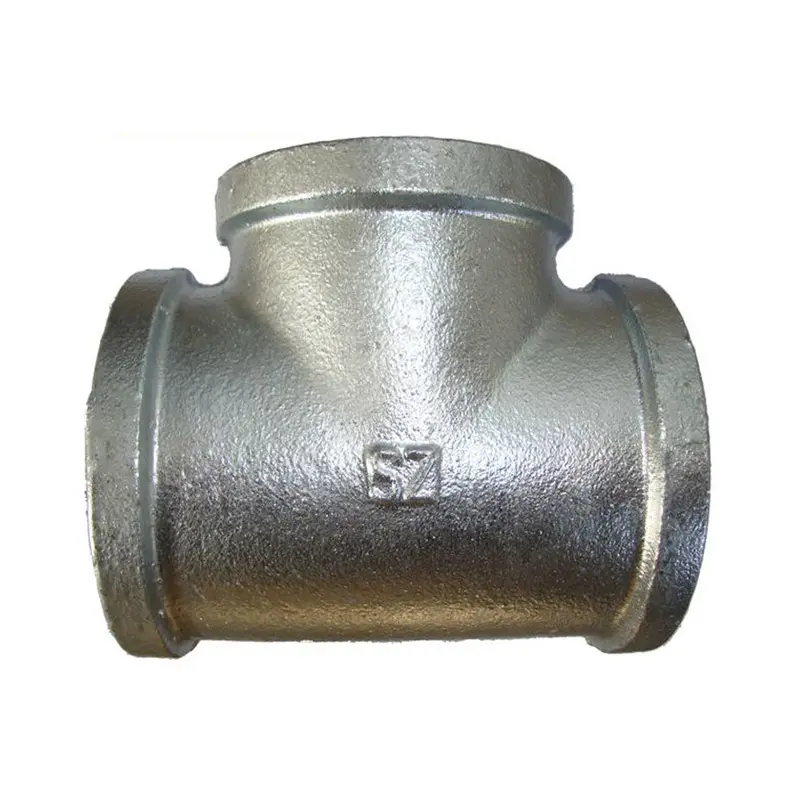
Decorative galvanized pipe represents a significant segment within the broader ferrous metal product manufacturing industry. It is fundamentally carbon steel tubing coated with a layer of zinc through a galvanization process, primarily hot-dip galvanization. This coating serves as a sacrificial anode, protecting the underlying steel from corrosion. Unlike standard galvanized pipe intended for concealed plumbing or structural applications, decorative galvanized pipe is characterized by tighter tolerances, smoother surface finishes, and often, threaded connections specifically designed for exposed applications such as furniture, lighting fixtures, handrails, and architectural features. Its position within the industry chain places it between raw steel production, zinc supply, and downstream fabrication and assembly industries. Core performance characteristics revolve around corrosion resistance, aesthetic appeal, structural integrity under moderate loads, and ease of assembly. The growing popularity of industrial design aesthetics drives demand for this product, necessitating a thorough understanding of its material properties, manufacturing nuances, and potential failure modes.
Material Science & Manufacturing
The primary raw material is low carbon steel, typically conforming to ASTM A53 Grade B or equivalent standards like EN 10255. The steel composition dictates the weldability and formability during pipe manufacturing. Key elements impacting corrosion resistance, beyond zinc coating, include manganese, silicon, and phosphorus content, requiring careful control during steelmaking. Zinc used for galvanization is usually of high purity (99.995% Zn) to ensure a consistent coating quality. The manufacturing process begins with steel strip or coil forming via welding (Electric Resistance Welding - ERW is common) or seamless extrusion. Post-forming, the pipe undergoes pickling with hydrochloric acid to remove mill scale and surface contaminants, creating a chemically receptive surface for the zinc coating. Hot-dip galvanization involves immersing the cleaned steel pipe into a molten zinc bath (typically 450-460°C). The resulting metallurgical reaction forms a series of zinc-iron alloy layers, providing superior corrosion protection. Critical parameters in the galvanization process include bath temperature, immersion time, steel surface preparation quality, and the cooling rate post-immersion. Control of these parameters directly affects coating thickness, uniformity, and adhesion. Subsequent operations may include threading, cutting to length, powder coating (for aesthetic variations), and quality control inspections, including coating thickness measurements and adherence tests, such as the salt spray test (ASTM B117).
Performance & Engineering
The structural performance of decorative galvanized pipe is dictated by its dimensions (diameter, wall thickness) and the material properties of the underlying steel. Force analysis typically involves calculations for bending moments, shear stresses, and axial loads, based on the intended application. For example, in a railing application, engineers must consider wind loads, impact forces, and the weight of individuals leaning against the structure. Corrosion resistance is paramount, and the galvanization process provides excellent protection in atmospheric environments. However, performance can be compromised in the presence of chlorides (e.g., coastal environments, road salt) which can accelerate localized corrosion. The zinc coating acts as a sacrificial anode, corroding preferentially to the steel. The rate of zinc corrosion depends on environmental factors such as humidity, temperature, and the presence of pollutants. Compliance requirements vary by region. In North America, standards such as ASTM A53 and ASTM B117 are relevant. In Europe, EN 10255 and EN ISO 9227 (corrosion testing) are common. The galvanization process itself must adhere to standards like ISO 1461. Engineering considerations also include thermal expansion and contraction of the pipe material, particularly in applications involving long spans or temperature fluctuations. Proper allowance for expansion joints or flexible connections is crucial to prevent stress cracking or deformation.
Technical Specifications
| Parameter | Units | ASTM A53 Grade B (Typical) | EN 10255 S235JR (Typical) |
|---|---|---|---|
| Outer Diameter | mm | 1/2" - 4" (12.7 - 101.6) | 1/2" - 6" (12.7 - 152.4) |
| Wall Thickness | mm | 1.2 - 3.9 | 1.5 - 4.0 |
| Yield Strength | MPa | 250 | 235 |
| Tensile Strength | MPa | 370 | 360 |
| Zinc Coating Thickness | µm | 55 - 85 (Hot-Dip Galvanized) | 55 - 85 (Hot-Dip Galvanized) |
| Corrosion Resistance (Salt Spray Test) | Hours | >720 | >720 |
Failure Mode & Maintenance
Decorative galvanized pipe, while durable, is susceptible to several failure modes. Uniform corrosion occurs when the zinc coating slowly corrodes over the entire surface, providing long-term protection but eventually diminishing. Localized corrosion (pitting, crevice corrosion) is accelerated by chloride ions or imperfections in the coating, leading to concentrated attack. White rust (zinc hydroxide) forms under conditions of high humidity and limited air circulation, appearing as a powdery white deposit. This doesn't immediately compromise structural integrity but indicates accelerated zinc consumption. Red rust (iron oxide) indicates the zinc coating has been breached and the underlying steel is corroding. Fatigue cracking can occur under cyclical loading, especially at threaded connections. Thread galling can occur during assembly if threads are not properly lubricated. Mechanical damage (dents, scratches) can compromise the coating, exposing the steel to corrosion. Maintenance involves regular inspection for signs of corrosion, particularly in harsh environments. Cleaning with mild detergent and water removes dirt and contaminants. For minor white rust, brushing and application of a zinc-rich primer can provide localized protection. Scratched or damaged areas should be repaired with zinc-rich paint or re-galvanized. For heavily corroded sections, replacement is often the most effective solution. Periodic application of a protective wax or coating can extend the service life of the pipe.
Industry FAQ
Q: What is the primary advantage of decorative galvanized pipe over stainless steel for exposed applications?
A: While stainless steel offers superior corrosion resistance, decorative galvanized pipe is significantly more cost-effective. For applications where extreme corrosion resistance isn’t critical, the price differential makes galvanized pipe a viable and aesthetically pleasing alternative. The ‘industrial’ aesthetic of galvanized steel is also often preferred.
Q: How does the thickness of the zinc coating affect the corrosion resistance?
A: Corrosion resistance is directly proportional to the zinc coating thickness. A thicker coating provides a larger sacrificial anode, extending the time it takes for the steel to be exposed to corrosive elements. Standards specify minimum coating weights to ensure adequate protection.
Q: Can decorative galvanized pipe be painted or powder coated?
A: Yes, but surface preparation is critical. The galvanized surface must be thoroughly cleaned and lightly roughened to ensure proper adhesion. A zinc-rich primer is highly recommended before applying the topcoat to provide additional corrosion protection, especially if the coating is damaged.
Q: What are the limitations of using galvanized pipe in direct contact with certain materials, such as concrete?
A: Direct contact with wet concrete or certain treated lumber can accelerate corrosion due to galvanic reactions. These materials can create a more cathodic environment, increasing the rate of zinc corrosion. Isolation using non-conductive materials is recommended.
Q: What is the typical lifespan of a decorative galvanized pipe installation in a moderate climate?
A: In a moderate climate, with minimal exposure to harsh chemicals or marine environments, a properly installed and maintained decorative galvanized pipe installation can last 50 years or more. Regular inspection and preventative maintenance are key to maximizing its lifespan.
Conclusion
Decorative galvanized pipe provides a robust, cost-effective, and aesthetically versatile solution for a range of exposed piping applications. Its performance hinges on a complex interplay of material science, manufacturing quality, and environmental factors. Understanding the galvanization process, potential failure modes, and appropriate maintenance strategies is crucial for ensuring long-term durability and structural integrity.
Future developments in coating technologies, such as duplex systems combining galvanization with organic coatings, may further enhance corrosion resistance and expand the application range of decorative galvanized pipe. Continued adherence to industry standards and best practices in surface preparation and installation will remain paramount for maximizing the service life of these systems.
