
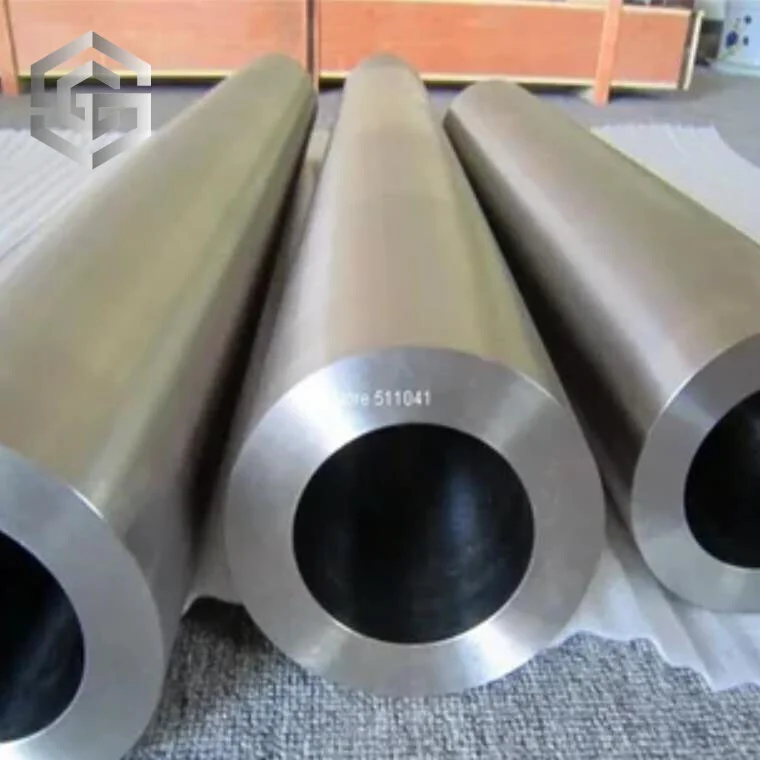
Specifying a proper Seamless Steel Pipe for high-pressure fluid transportation is the most critical phase in designing industrial refinery and chemical processing systems. Unlike welded alternatives, seamless structures eliminate the longitudinal seam, which is traditionally the weakest point under extreme pressure and temperature fluctuations. This seamless integrity is indispensable for safely managing volatile gases, corrosive chemicals, and high-temperature steam.
Material Standards in Extreme Environments
Industrial piping systems must adhere strictly to frameworks such as ASTM and DIN to guarantee reliable performance. In offshore oil rigs and desalination plants, materials are subjected to constant chloride exposure. The precise chemical balance of the steel—particularly the chromium and molybdenum content—dictates the system's resistance to internal abrasion and external environmental wear. A minor deviation in wall thickness or alloy composition can lead to catastrophic failures in fluid containment.
Thermal Stability and Flow Efficiency
Another essential factor is thermal stability. Advanced piping materials maintain their structural rigidity at elevated temperatures, preventing warping that could compromise pipe fittings, flanges, and valves. Furthermore, precision-engineered inner surfaces reduce friction, thereby optimizing flow rates and minimizing the energy required for fluid pumping across long distances.
Strategic Procurement for Pipeline Integrity
Ensuring the long-term safety of a piping network relies entirely on the quality of the raw material source. Comprehensive Mill Test Certificates (MTC) and rigorous factory testing are mandatory to verify the mechanical properties of the batch. By integrating solutions from High Quality Seamless Steel Round Pipe Manufacturers, facility engineers can secure materials that not only meet stringent international safety standards but also deliver unparalleled durability for critical infrastructure.
