
Introduction
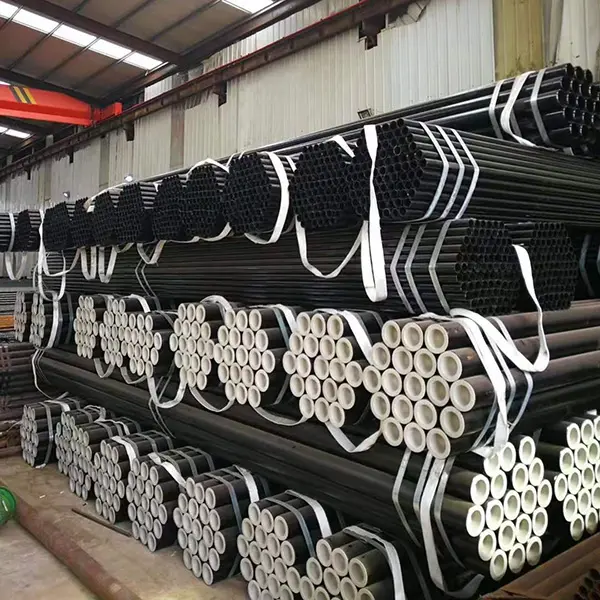
Galvanized pipe, commonly referred to as ‘gal pipe,’ represents a significant component within fluid conveyance systems across numerous industries. Characterized by a zinc coating applied to a base metal – typically carbon steel – it provides crucial corrosion resistance. This document details the technical aspects of galvanized pipe, covering material science, manufacturing processes, performance characteristics, potential failure modes, and relevant industry standards. Its position in the industrial chain is pivotal, acting as a cost-effective alternative to more corrosion-resistant alloys in applications where extreme chemical exposure isn't a primary concern. Core performance characteristics include pressure handling capability, structural integrity, and longevity dictated by the zinc coating thickness and quality. The ongoing challenge for industry stakeholders is optimizing the galvanization process to maximize coating adherence and minimize susceptibility to localized corrosion.
Material Science & Manufacturing
The foundation of galvanized pipe lies in its two primary material components: the substrate steel and the zinc coating. Substrate steel is typically a low-carbon steel (e.g., A53 Grade B, ASTM A106 Grade B) chosen for its weldability and formability. The chemical composition significantly influences the pipe’s overall strength and ductility. Manufacturing begins with steel strip forming and welding—using Electric Resistance Welding (ERW) or double-electric resistance welding (DERW)—to create seamless or welded pipe. Key parameters during welding include current, voltage, and welding speed, all of which impact weld seam integrity and mechanical properties. The subsequent galvanization process is crucial. Hot-dip galvanizing is the most prevalent method. The steel pipe is cleaned (pickling to remove mill scale, fluxing to enhance zinc adhesion) and then immersed in a molten zinc bath (typically 98% pure zinc with additions of aluminum, silicon, and lead to improve coating properties). Coating thickness is directly correlated to corrosion protection, and is controlled by withdrawal speed and bath composition. Alternative methods like electrogalvanizing offer tighter tolerance control but generally produce thinner coatings. Post-galvanization inspection focuses on coating uniformity, thickness, and adherence. Zinc’s crystalline structure (primarily hexagonal close-packed) dictates its sacrificial corrosion protection mechanism, corroding preferentially to the underlying steel.
Performance & Engineering
Galvanized pipe performance is largely dictated by its ability to withstand internal pressure, external loads, and corrosive environments. Pressure ratings are determined by factors including pipe diameter, wall thickness, and material yield strength. Calculations adhere to ASME B31.1 (Power Piping) or ASME B31.3 (Process Piping) standards, utilizing Barlow's formula or similar stress-strain analyses. External loads—soil loading, seismic forces, or weight of supported systems—require careful consideration of bending moments and shear stresses. Finite Element Analysis (FEA) is often employed for complex loading scenarios. The zinc coating provides cathodic protection: zinc corrodes sacrificially, protecting the underlying steel. However, this protection is compromised in highly acidic or alkaline environments. Galvanic corrosion can occur when galvanized pipe is directly connected to dissimilar metals in the presence of an electrolyte. Compliance with NSF/ANSI 61 (Drinking Water System Components) is critical for potable water applications, ensuring the absence of leachable contaminants. Threaded connections require proper sealant application (e.g., PTFE tape, pipe dope) to prevent leakage and crevice corrosion. Regular hydrostatic testing verifies the integrity of the piping system and detects leaks or weaknesses.
Technical Specifications
| Parameter | ASTM A53 Grade B (Typical) | ASTM A153 (Galvanizing) | EN 10255 (Equivalent) |
|---|---|---|---|
| Yield Strength (MPa) | 250 | N/A | 235 |
| Tensile Strength (MPa) | 400-550 | N/A | 360-500 |
| Zinc Coating Thickness (µm) | N/A | 85-140 (depending on diameter) | 45-150 (depending on diameter) |
| Minimum Wall Thickness (mm) | 2.6 – 12.7 | N/A | 2.0 - 12.7 |
| Outside Diameter (mm) | 1/2” – 4” (13.7 – 108.0) | N/A | 1/2” – 6” (13.7 – 168.3) |
| Corrosion Resistance (Salt Spray Test) | N/A | >240 hours (depending on coating) | >240 hours (depending on coating) |
Failure Mode & Maintenance
Galvanized pipe is susceptible to several failure modes. Uniform corrosion is a gradual process where the zinc coating corrodes evenly, providing long-term protection but eventually diminishing. Localized corrosion, however, is more problematic. Pitting corrosion results from localized breakdown of the passive zinc layer, leading to deep, concentrated attacks. Crevice corrosion occurs in shielded areas (e.g., under gaskets, threaded joints) where oxygen depletion accelerates corrosion. White rust (zinc carbonate) formation indicates coating degradation and can lead to further corrosion. Galvanic corrosion, as mentioned previously, arises from contact with dissimilar metals. Mechanical damage—dents, scratches, or weld spatter—can compromise the zinc coating, exposing the underlying steel. Fatigue cracking can occur under cyclic loading, particularly at weld seams. Maintenance involves regular visual inspection for signs of corrosion (rust, blisters, coating loss). Damaged coatings should be repaired with zinc-rich paint. Periodic hydrostatic testing verifies system integrity. For systems in aggressive environments, sacrificial anodes can be added to enhance cathodic protection. Avoid direct contact between galvanized pipe and aluminum. Ensure proper electrical grounding to minimize stray current corrosion.
Industry FAQ
Q: What is the typical lifespan of galvanized pipe in a freshwater distribution system?
A: The lifespan varies significantly depending on water chemistry (pH, dissolved oxygen, chloride content) and coating quality. Typically, a properly installed and maintained galvanized pipe system can last 40-70 years in freshwater, but can be reduced significantly in aggressive water conditions.
Q: How does the manufacturing process of welded versus seamless galvanized pipe affect its corrosion resistance?
A: Welded pipe, particularly ERW, has a weld seam that can be a potential site for corrosion if not properly treated. Modern welding techniques and post-weld annealing minimize this risk. Seamless pipe eliminates the weld seam, providing inherently better corrosion resistance, but often at a higher cost.
Q: What is the impact of thread sealant on the long-term corrosion performance of galvanized pipe connections?
A: Improper sealant selection can accelerate corrosion. Avoid sealants containing chlorides or ammonia. PTFE tape and specialized pipe dope formulated for galvanized steel are recommended. These create a barrier against moisture and prevent crevice corrosion.
Q: Can galvanized pipe be used for high-pressure gas applications?
A: While galvanized pipe can handle moderate gas pressures, its use is increasingly restricted due to concerns about zinc flaking and potential plugging of gas appliances. Codes and regulations often dictate the use of black steel or polyethylene pipe for high-pressure gas applications.
Q: What are the environmental considerations associated with galvanized pipe disposal?
A: Galvanized pipe contains zinc, which is a regulated metal. Disposal should adhere to local environmental regulations. Recycling is the preferred option, allowing recovery of both steel and zinc. Landfilling should be avoided whenever possible.
Conclusion
Galvanized pipe remains a viable and cost-effective solution for fluid conveyance in a wide range of applications, offering a reasonable balance between corrosion resistance, mechanical strength, and affordability. However, understanding its limitations – susceptibility to localized corrosion, galvanic effects, and the impact of environmental factors – is critical for ensuring long-term system reliability. The selection of appropriate materials, proper installation techniques, and regular maintenance are paramount to maximizing its lifespan and minimizing the risk of premature failure.
Future trends point toward increased adoption of alternative corrosion protection methods, such as epoxy coatings and stainless steel, particularly in demanding environments. Continued research into improved galvanization processes, including the development of zinc alloys with enhanced corrosion resistance, will likely extend the service life of galvanized pipe and maintain its relevance in the industrial landscape. Careful consideration of application-specific requirements and a thorough understanding of the underlying material science are crucial for informed decision-making.
