
Introduction
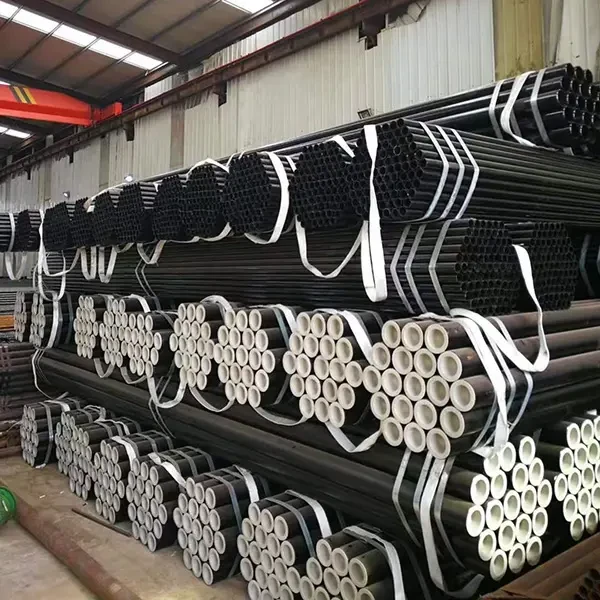
Galvanized steel pipe, commonly referred to as galv steel pipe, represents a critical component in a wide array of industrial, commercial, and residential applications. It consists of carbon steel pipe coated with a layer of zinc through either hot-dip galvanization or electrogalvanization. This zinc coating serves as a sacrificial anode, protecting the underlying steel from corrosion, a primary concern across various industries. Galv steel pipe’s technical position within the materials supply chain is central to fluid transfer systems, structural supports, and safety-critical infrastructure. Core performance characteristics include its tensile strength, corrosion resistance, pressure handling capability, and weldability. Understanding these aspects is crucial for ensuring long-term system integrity and minimizing lifecycle costs, particularly in sectors like water distribution, oil and gas, construction, and fire suppression systems. The industry faces pain points related to inconsistent galvanization quality, susceptibility to localized corrosion in specific environments, and ensuring adherence to increasingly stringent environmental regulations concerning zinc emissions during manufacturing and disposal.
Material Science & Manufacturing
The fundamental material of galv steel pipe is typically carbon steel, commonly ASTM A53 Grade B or similar, chosen for its balance of strength, ductility, and cost-effectiveness. The steel’s composition dictates its inherent mechanical properties, including yield strength, tensile strength, and elongation. Manufacturing begins with the steel in the form of coils or plates, which are then formed into seamless or welded pipes. Seamless pipes are produced through processes like extrusion or piercing, resulting in a homogenous structure without weld seams. Welded pipes, conversely, are created by rolling steel plates and subsequently welding the seam using electric resistance welding (ERW) or submerged arc welding (SAW). The critical manufacturing process is galvanization. Hot-dip galvanization involves immersing the steel pipe in a molten zinc bath, creating a metallurgical bond. Key parameters include bath temperature (around 450°C), immersion time, and the steel's surface preparation (pickling to remove mill scale and oxides). Electrogalvanization utilizes an electrolytic process, depositing a thinner, more uniform zinc coating. Chemical composition of the zinc bath, current density, and electrolyte composition are vital process controls. Post-galvanization, quality control measures include coating thickness measurement (using magnetic or eddy current methods), adhesion testing, and visual inspection for defects like spangles, rough spots, or incomplete coverage. The zinc coating’s microstructure directly impacts corrosion resistance, with a consistent, dense layer providing optimal protection.
Performance & Engineering
The performance of galv steel pipe is largely determined by its ability to withstand internal pressure, external loads, and corrosive environments. Force analysis involves calculating hoop stress and longitudinal stress based on internal pressure and pipe dimensions, utilizing formulas derived from Lamé's equations. Design considerations must account for safety factors to prevent failure under anticipated operating conditions. Environmental resistance is primarily attributed to the zinc coating, which provides cathodic protection. However, the effectiveness of this protection diminishes in certain environments, such as those with high chloride concentrations or acidic pH levels. In these cases, supplementary coatings or alternative materials may be required. Compliance requirements vary depending on the application and region. For potable water systems, pipes must meet standards like NSF/ANSI 61, ensuring that they do not leach harmful substances into the water. For structural applications, adherence to building codes and standards like AISC (American Institute of Steel Construction) is essential. Functional implementation requires careful consideration of welding procedures. Galvanized steel can be welded, but it's critical to use appropriate techniques and filler metals to avoid damaging the zinc coating and creating weld defects. Post-weld galvanization repair may be necessary to restore corrosion protection in welded areas.
Technical Specifications
| Parameter | ASTM A53 Grade B (Typical) | ASTM A120 (Hot-Dip Galvanized) | ASTM A153 (Electrogalvanized) |
|---|---|---|---|
| Yield Strength (MPa) | 250 | 250 | 250 |
| Tensile Strength (MPa) | 400 | 400 | 400 |
| Minimum Coating Thickness (µm) | N/A | 85 (average) | 25 (minimum) |
| Zinc Coating Weight (g/m²) | N/A | 400-600 | 150-250 |
| Wall Thickness (mm) | 2-12 | 2-12 | 2-6 |
| Outside Diameter (mm) | 1/2 – 6 | 1/2 – 6 | 1/2 – 4 |
Failure Mode & Maintenance
Galv steel pipe, while robust, is susceptible to several failure modes. Uniform corrosion occurs when the zinc coating is gradually consumed, exposing the underlying steel. Localized corrosion, such as pitting corrosion, is more aggressive and can lead to rapid penetration. This is often exacerbated by chloride ions or sulfur compounds. Galvanic corrosion can occur when galv steel pipe is connected to dissimilar metals in the presence of an electrolyte. Hydrogen embrittlement can arise during the galvanization process, particularly with high-strength steels, leading to cracking. Fatigue cracking can occur under cyclic loading conditions. Delamination of the zinc coating can occur due to poor surface preparation or inadequate coating adhesion. Maintenance strategies include regular visual inspection for signs of corrosion, coating damage, or leakage. Periodic cleaning to remove dirt and debris is essential. For minor corrosion spots, zinc-rich paints can be applied as a remedial measure. In cases of significant corrosion, pipe replacement may be necessary. Cathodic protection systems, such as impressed current cathodic protection (ICCP), can be employed to mitigate corrosion in critical applications. Proper jointing techniques, including using compatible fittings and applying corrosion inhibitors, are crucial for ensuring long-term reliability. Regular pressure testing can help identify leaks and potential failures before they escalate.
Industry FAQ
Q: What is the primary difference between hot-dip galvanization and electrogalvanization in terms of corrosion protection?
A: Hot-dip galvanization provides a thicker, more robust zinc coating due to the metallurgical bonding process, offering superior long-term corrosion protection, particularly in harsh environments. Electrogalvanization produces a thinner, more uniform coating that is suitable for applications where aesthetics and precise coating control are important, but generally offers less corrosion resistance than hot-dip galvanization.
Q: Can galvanized steel pipe be welded, and what precautions should be taken?
A: Yes, galvanized steel pipe can be welded, but the zinc coating can release harmful fumes during welding. Proper ventilation is essential. Additionally, the heat from welding can alter the zinc coating’s structure and reduce its corrosion protection. Using a compatible filler metal and re-galvanizing the weld area post-welding are recommended.
Q: What are the limitations of galvanized steel pipe in highly corrosive environments, such as seawater?
A: In highly corrosive environments like seawater, the zinc coating can be rapidly consumed, and the steel will eventually corrode. Galvanized steel pipe is not generally recommended for prolonged exposure to seawater. Alternative materials like stainless steel or specialized coatings are more suitable for these applications.
Q: How does the surface preparation process impact the quality of the galvanization?
A: Surface preparation is critical. Removing mill scale, rust, and other contaminants ensures a clean surface for the zinc to adhere to. Inadequate surface preparation can result in poor coating adhesion, blistering, and reduced corrosion protection. Pickling, sandblasting, or other cleaning methods are commonly employed.
Q: What standards govern the testing and quality control of galvanized steel pipe?
A: Several standards govern the quality control of galvanized steel pipe. ASTM A53 covers seamless and welded steel pipe. ASTM A120 specifies the requirements for hot-dip galvanized steel pipe. ASTM A153 relates to electrogalvanized steel pipe. NSF/ANSI 61 addresses requirements for potable water systems. Regular testing of coating thickness, adhesion, and mechanical properties is essential for ensuring compliance.
Conclusion
Galvanized steel pipe remains a prevalent material in numerous industries due to its cost-effectiveness and inherent corrosion resistance, stemming from the sacrificial protection offered by the zinc coating. However, a comprehensive understanding of the material science, manufacturing processes, and potential failure modes is paramount for ensuring long-term performance and safety. The selection of the appropriate galvanization method, coupled with diligent adherence to industry standards and best practices in installation and maintenance, is crucial for maximizing the service life of galv steel pipe systems.
Looking ahead, advancements in coating technologies, such as the development of more durable and environmentally friendly zinc alloys and alternative coating materials, will likely play a key role in addressing the industry's challenges. Furthermore, the increasing emphasis on sustainability will drive demand for more efficient galvanization processes that minimize zinc emissions and waste generation. Ongoing research into corrosion monitoring techniques and predictive maintenance strategies will further enhance the reliability and longevity of galv steel pipe infrastructure.
