
Introduction
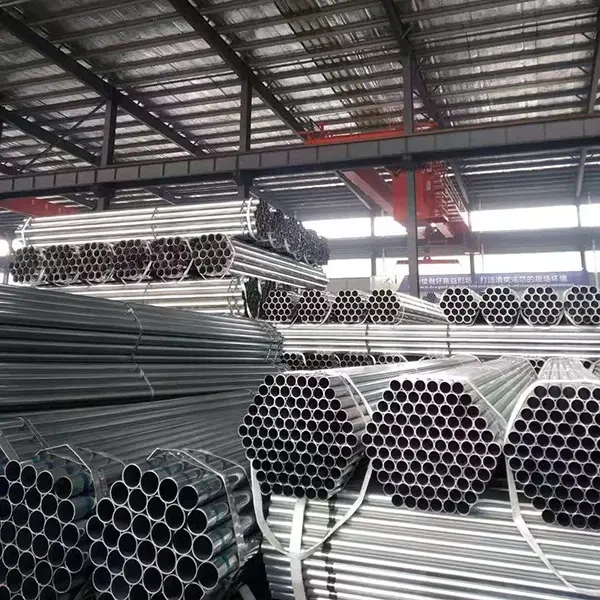
Galvanized water pipe, commonly referred to as galv pipe, is a steel pipe coated with a protective layer of zinc. Its primary function is the conveyance of potable water, heating fluids, and in some industrial applications, certain gases. Positioned within the plumbing and piping infrastructure, it represents a cost-effective alternative to copper and stainless steel, offering reasonable corrosion resistance. Core performance characteristics include pressure bearing capacity, fluid flow rate, and longevity, critically dependent on zinc coating thickness and environmental factors. A key pain point within the industry stems from the potential for zinc corrosion leading to reduced pipe lifespan, water contamination, and eventual system failure. This guide provides an in-depth technical examination of galvanized water pipe, covering material science, manufacturing, performance, failure modes, and applicable standards.
Material Science & Manufacturing
Galv pipe begins with a base material typically composed of carbon steel – commonly A53 Grade B or similar. This steel possesses inherent strength and weldability, but is highly susceptible to corrosion. The galvanization process, primarily hot-dip galvanizing, introduces a metallurgical bond between the zinc coating and the steel substrate. This process involves immersing the steel pipe in a bath of molten zinc (98% purity or greater). Key material properties include the tensile strength of the steel (typically 36,000 psi for A53 Grade B), the yield strength (around 25,000 psi), and the zinc coating thickness, measured in ounces per square foot (oz/ft²). Manufacturing involves seamless or welded pipe production. Seamless pipe is extruded through a die, resulting in a homogenous structure. Welded pipe is formed by rolling steel plate and subsequently welding the seam using electric resistance welding (ERW) or submerged arc welding (SAW). Critical process parameters during galvanizing include steel surface preparation (pickling to remove mill scale and rust), flux application, immersion time, and cooling rate. Controlling these parameters ensures a uniform and adherent zinc coating, minimizing defects like bare spots or excessive zinc buildup. The zinc coating provides cathodic protection, meaning the zinc corrodes preferentially, protecting the underlying steel even if the coating is scratched. However, this protection diminishes as the zinc is consumed.
Performance & Engineering
The performance of galv pipe is heavily influenced by internal water pressure, external loads, and the chemical composition of the conveyed fluid. Force analysis considers hoop stress (resulting from internal pressure) and longitudinal stress (from connected loads). The pipe wall thickness must be sufficient to withstand these stresses, as dictated by relevant codes like ASME B31.1. Environmental resistance is a primary concern; chlorides, sulfates, and low pH levels accelerate zinc corrosion. Galv pipe's performance is also affected by galvanic corrosion when connected to dissimilar metals (e.g., copper). This creates a corrosion cell, accelerating the corrosion of the more anodic metal (typically the zinc). Compliance requirements vary by region but generally involve adherence to NSF/ANSI 61 for drinking water system components, ensuring that the pipe does not leach harmful substances into the water. Furthermore, local plumbing codes often dictate specific installation requirements, including support spacing, jointing methods (threaded or welded), and protection against physical damage. The functional implementation relies on proper jointing techniques to maintain a leak-proof seal. Threaded connections require pipe dope or Teflon tape to prevent corrosion and ensure a watertight seal. Welded connections require qualified welders and adherence to welding procedures to ensure structural integrity. A critical engineering consideration is the potential for scale buildup inside the pipe, reducing flow rate and potentially leading to blockages.
Technical Specifications
| Parameter | Unit | Specification (Typical) | Test Standard |
|---|---|---|---|
| Nominal Pipe Size | inches | 1/2" - 6" | ASME B36.10M |
| Wall Thickness | inches | Schedule 40, Schedule 80 | ASTM A53 |
| Minimum Zinc Coating Thickness | oz/ft² | 1.2 oz/ft² (Light), 1.8 oz/ft² (Standard) | ASTM A123 |
| Yield Strength (Steel) | psi | 25,000 - 36,000 | ASTM A53 |
| Tensile Strength (Steel) | psi | 60,000 - 80,000 | ASTM A53 |
| Maximum Operating Pressure | psi | Varies with size and schedule – Consult ASME B31.1 | ASME B31.1 |
Failure Mode & Maintenance
Galv pipe is susceptible to several failure modes. Corrosion is the most prevalent, manifesting as rust formation and eventual pitting or perforation. Uniform corrosion occurs across the entire surface, while pitting corrosion concentrates in localized areas due to imperfections in the zinc coating or the presence of chlorides. Another failure mode is thread stripping, particularly during installation or disassembly. Fatigue cracking can occur under cyclic loading, especially at joints or areas of stress concentration. Delamination of the zinc coating, often caused by poor surface preparation during galvanizing, reduces its protective effectiveness. Hydrogen embrittlement, a less common but critical failure mechanism, occurs when hydrogen atoms diffuse into the steel during the pickling process, leading to reduced ductility and potential cracking. Maintenance strategies include regular visual inspection for signs of corrosion, particularly at joints and exposed areas. Applying a protective coating (e.g., epoxy) over the galvanized surface can extend its lifespan. Cathodic protection systems, utilizing sacrificial anodes or impressed current, can further mitigate corrosion. For threaded connections, periodic tightening may be necessary to maintain a leak-proof seal. In cases of localized corrosion, repair options include patching with epoxy or replacing the affected section of pipe. Preventative measures include ensuring proper water chemistry (pH control, chloride reduction) and avoiding direct contact with dissimilar metals.
Industry FAQ
Q: What is the typical lifespan of galvanized water pipe in a residential setting?
A: The lifespan varies significantly depending on water quality and environmental conditions. In ideal conditions (neutral pH, low chloride content), a lifespan of 40-50 years is achievable. However, in aggressive environments, it can be as low as 20-30 years. Regular inspection and maintenance are crucial for maximizing lifespan.
Q: How does water pH affect the corrosion rate of galvanized pipe?
A: Low pH (acidic water) significantly accelerates corrosion. Acidic water dissolves the zinc coating at a faster rate, reducing its protective capabilities. Maintaining a pH between 6.5 and 8.5 is generally recommended.
Q: Can galvanized pipe be used with PEX or CPVC fittings?
A: It’s generally not recommended to directly connect galvanized pipe to PEX or CPVC fittings due to galvanic corrosion. The significant difference in electrochemical potential between the metals creates a corrosion cell, accelerating the corrosion of the galvanized pipe. Dielectric unions or transition fittings should be used to isolate the materials.
Q: What are the advantages of using Schedule 80 galvanized pipe over Schedule 40?
A: Schedule 80 pipe has a thicker wall thickness, providing greater strength and pressure-bearing capacity. This makes it suitable for higher-pressure applications or situations where physical damage is a concern. However, it is also more expensive and heavier than Schedule 40 pipe.
Q: Is it possible to restore a corroded galvanized pipe without replacement?
A: Minor corrosion can sometimes be addressed with corrosion inhibitors or epoxy coatings. However, significant corrosion, particularly pitting or perforation, typically requires pipe replacement. Attempting to repair severely corroded pipe can be a temporary fix and may not address the underlying issue.
Conclusion
Galvanized water pipe remains a viable material choice for water distribution systems, particularly where cost-effectiveness is a primary consideration. However, its longevity and performance are intrinsically linked to the quality of the zinc coating, the aggressiveness of the operating environment, and adherence to proper installation and maintenance practices. Understanding the inherent failure modes – corrosion, thread stripping, and fatigue – is paramount to ensuring long-term system reliability and preventing premature failure.
Future advancements in corrosion-resistant coatings and alternative materials may gradually displace galvanized pipe in certain applications. Nonetheless, a thorough understanding of its properties and limitations remains essential for engineers, plumbers, and procurement professionals involved in the design, installation, and maintenance of water distribution infrastructure. Prioritizing water quality management and employing appropriate preventative measures are crucial to maximizing the lifespan and minimizing the risks associated with galvanized pipe systems.
