
Introduction
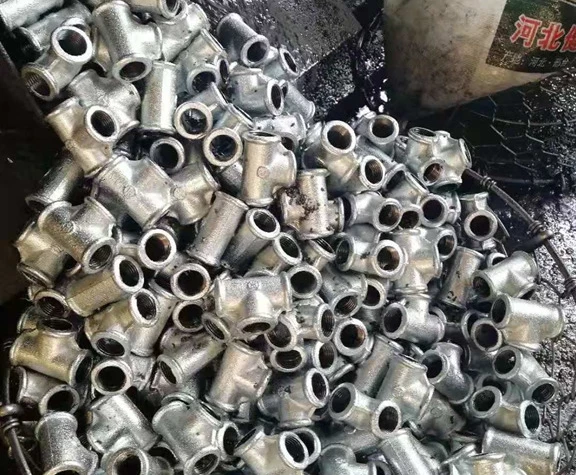
Galvanised air pipe, typically manufactured from carbon steel and coated with a layer of zinc, constitutes a critical component in pneumatic systems across diverse industrial applications. Its primary function is to convey compressed air, delivering power to tools, operating automated machinery, and supporting various process control mechanisms. The technical position within the industrial chain places it downstream of steel production and zinc refining, acting as a fabricated product ready for installation by systems integrators and end-users. Core performance characteristics are dictated by its burst pressure, resistance to corrosion (both internal and external), dimensional accuracy to ensure leak-proof connections, and long-term durability under cyclical pressure and temperature fluctuations. A significant industry pain point centres around inconsistent galvanisation quality leading to premature corrosion and system failures, and the potential for zinc flake shedding to contaminate sensitive pneumatic equipment. Another key challenge is maintaining adequate wall thickness to withstand operational pressures while minimizing weight and material costs. Maintaining dimensional tolerances during threading or welding is also vital for reliable system performance.
Material Science & Manufacturing
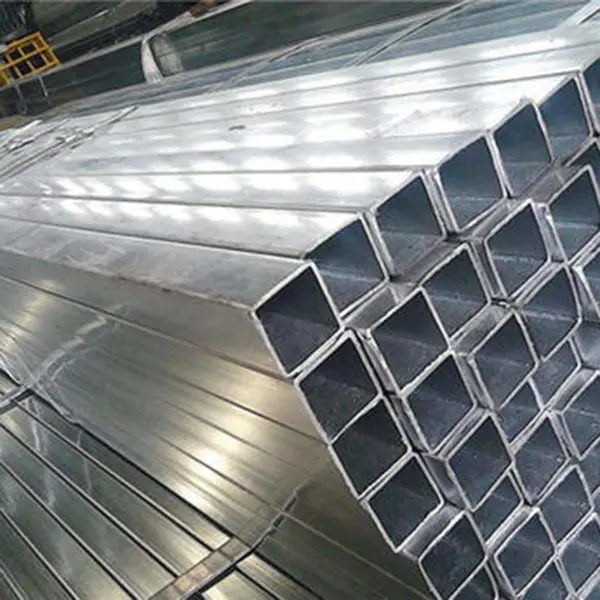
The fundamental material for galvanised air pipe is typically carbon steel, often ASTM A53 Grade B or equivalent, selected for its formability, weldability, and cost-effectiveness. The steel composition primarily consists of iron with varying percentages of carbon (typically less than 0.3%), manganese, phosphorus, and sulfur. These elements influence the steel's strength, ductility, and weldability. The zinc coating, applied via hot-dip galvanisation, is crucial for corrosion protection. The metallurgical reaction between the iron in the steel and the molten zinc forms a series of zinc-iron alloy layers, providing a barrier against atmospheric corrosion. The thickness of the zinc coating is dictated by standards (discussed later) and directly impacts the lifespan of the pipe.
Manufacturing commences with steel tube production, typically using Electric Resistance Welding (ERW) or seamless processes. ERW involves forming steel strips into a cylindrical shape and welding the seam using an electric current. Seamless pipes are created by piercing a solid billet of steel. Post-tube formation, the pipe undergoes cleaning to remove mill scale and surface contaminants. The hot-dip galvanisation process then follows: the pipes are immersed in a bath of molten zinc at approximately 450°C (842°F). Critical parameters during galvanisation include immersion time, zinc bath composition (including lead and aluminum content for fluidity and coating adhesion), cooling rate, and post-treatment procedures such as chromate conversion coating (although increasingly restricted due to environmental concerns). Threading, grooving, or welding preparation are performed after galvanisation, requiring careful consideration to avoid damaging the zinc coating. Parameter control during threading is paramount to prevent cracking the zinc layer and exposing the underlying steel. Welding, if required, necessitates the use of appropriate welding techniques and consumables to minimise zinc vaporization and maintain coating integrity in the heat-affected zone.
Performance & Engineering
The performance of galvanised air pipe is heavily influenced by its ability to withstand internal pressure without failure. Force analysis involves calculating hoop stress (σh) using the Barlow's formula: σh = (P D) / (2 t), where P is the internal pressure, D is the outer diameter, and t is the wall thickness. Safety factors are applied to ensure the pipe can operate safely at pressures exceeding the expected operating conditions. Beyond static pressure, fatigue analysis is critical, considering cyclical pressure fluctuations experienced during pneumatic system operation. Repeated pressurisation and depressurisation can lead to fatigue cracking, particularly at threaded connections or weld points.
Environmental resistance is primarily dependent on the zinc coating's effectiveness in preventing corrosion. Exposure to humidity, chlorides (e.g., saltwater environments), and industrial pollutants can accelerate corrosion rates. The rate of corrosion is governed by electrochemical principles, with the zinc acting as a sacrificial anode, corroding preferentially to the steel. Dimensional stability is also vital; excessive temperature variations can cause expansion and contraction, potentially leading to leaks at connections. Compliance requirements depend on the intended application and geographic location. For example, in applications involving potable water, the galvanised coating must meet specific standards regarding lead content and extractable zinc levels. Pneumatic systems often require adherence to standards related to compressed air quality (ISO 8573-1) and pressure vessel safety (ASME B31.3).
Technical Specifications
| Parameter | Unit | ASTM A53 Grade B (Typical) | EN 10255:2007 (Typical) |
|---|---|---|---|
| Outer Diameter | mm | 1/2" - 6" (12.7 - 152.4) | 1/2" - 6" (12.7 - 152.4) |
| Wall Thickness | mm | 2.0 – 6.35 | 2.0 – 6.35 |
| Minimum Yield Strength | MPa | 250 | 235 |
| Minimum Tensile Strength | MPa | 370 | 360 |
| Zinc Coating Thickness | µm | 85 (Minimum, Hot-Dip Galvanised) | 60 - 85 (Minimum, Hot-Dip Galvanised) |
| Burst Pressure (Calculated) | MPa | Varies with diameter & thickness | Varies with diameter & thickness |
Failure Mode & Maintenance
Common failure modes in galvanised air pipe include corrosion-induced leaks, fatigue cracking at threaded connections, and zinc coating degradation. Corrosion manifests as pitting, rusting, and eventual perforation of the pipe wall, leading to air leaks. The rate of corrosion is accelerated in humid environments and in the presence of corrosive contaminants. Fatigue cracking typically initiates at stress concentrators, such as threaded roots or weld toes, and propagates under cyclical loading. Zinc coating degradation can occur through several mechanisms: erosion (physical removal of the coating), chemical attack (reaction with acidic or alkaline substances), and white rust (formation of zinc hydroxide corrosion products). Delamination of the zinc coating can also occur due to poor adhesion during the galvanisation process.
Preventative maintenance is critical for extending the lifespan of galvanised air pipe. Regular visual inspections should be conducted to identify signs of corrosion, damage to the zinc coating, or leaks. Connections should be checked for tightness and lubricated as necessary. Internal inspection using ultrasonic testing or eddy current testing can detect wall thinning due to corrosion. For systems operating in corrosive environments, consider implementing corrosion inhibitors in the compressed air supply. If corrosion is detected, localized repairs can be performed using patching compounds or by replacing the affected section of pipe. When replacing sections, ensure compatibility of materials and proper galvanisation to prevent galvanic corrosion. Periodic cleaning of the pipe exterior can remove accumulated dirt and debris, reducing the risk of localised corrosion.
Industry FAQ
Q: What is the impact of thread sealant selection on the longevity of galvanised air pipe connections?
A: Incorrect thread sealant selection can significantly reduce connection longevity. Using incompatible sealants (e.g., those containing chlorides) can accelerate corrosion of the galvanised coating. PTFE tape is generally a safe and effective option, but ensure it’s applied correctly to avoid bunching and creating flow restrictions. Avoid sealants containing fillers that can abrade the zinc coating over time. Consider using specialized thread sealants designed for galvanized steel and pneumatic systems.
Q: How does the humidity level affect the corrosion rate of galvanised air pipe, and what mitigation strategies are recommended?
A: Higher humidity levels dramatically increase the corrosion rate of galvanised air pipe by providing an electrolytic medium for the corrosion process. Condensation on the pipe surface further exacerbates the issue. Mitigation strategies include maintaining a dry environment (using dehumidifiers where possible), applying protective coatings (though compatibility with compressed air is critical), and selecting pipes with thicker zinc coatings for humid environments. Regular inspections and maintenance are crucial.
Q: What are the key differences between hot-dip galvanisation and electrogalvanisation in the context of air pipe applications?
A: Hot-dip galvanisation provides a thicker, more robust zinc coating with superior adhesion, making it ideal for harsh environments and higher pressure applications. Electrogalvanisation produces a thinner, more uniform coating, often used for cosmetic purposes where corrosion resistance is less critical. For air pipe applications requiring long-term durability and resistance to mechanical damage, hot-dip galvanisation is generally preferred.
Q: Is it permissible to weld directly onto galvanised air pipe? What precautions are necessary?
A: Welding directly onto galvanised steel is generally not recommended due to the vaporization of zinc, which produces toxic fumes and can compromise the weld quality and corrosion resistance. If welding is unavoidable, the galvanisation must be completely removed from the weld area before welding. Use appropriate ventilation and personal protective equipment (PPE). After welding, the exposed steel should be re-galvanised using a compatible method, such as zinc-rich paint or cold galvanising compound.
Q: What is the role of passivation in improving the corrosion resistance of galvanised air pipe?
A: Passivation treatments, typically involving chromate conversion coatings (though increasingly restricted), create a protective layer on the zinc surface that slows down the corrosion process. These treatments convert the surface of the zinc to a more stable oxide or phosphate film. However, due to environmental concerns regarding hexavalent chromium, alternative passivation technologies are being developed and implemented, such as phosphate coatings or organic passivates.
Conclusion
Galvanised air pipe remains a foundational element in pneumatic systems, offering a cost-effective and reliable solution for compressed air conveyance. Its performance and longevity are critically dependent on the quality of materials, manufacturing processes, and diligent maintenance practices. Understanding the underlying material science, particularly the metallurgical interaction between steel and zinc, is paramount to selecting the appropriate pipe for specific applications. The selection of appropriate joining methods, thread sealants, and corrosion mitigation strategies are also essential to ensure long-term system reliability and minimise downtime.
Future advancements in coating technologies, such as the development of more environmentally friendly passivation treatments and the exploration of alternative corrosion-resistant alloys, promise to further enhance the durability and sustainability of galvanised air pipe systems. Furthermore, the increasing adoption of predictive maintenance techniques, leveraging sensor technology and data analytics, will enable proactive identification of potential failure points and optimisation of maintenance schedules, leading to reduced lifecycle costs and improved operational efficiency.
