
Introduction
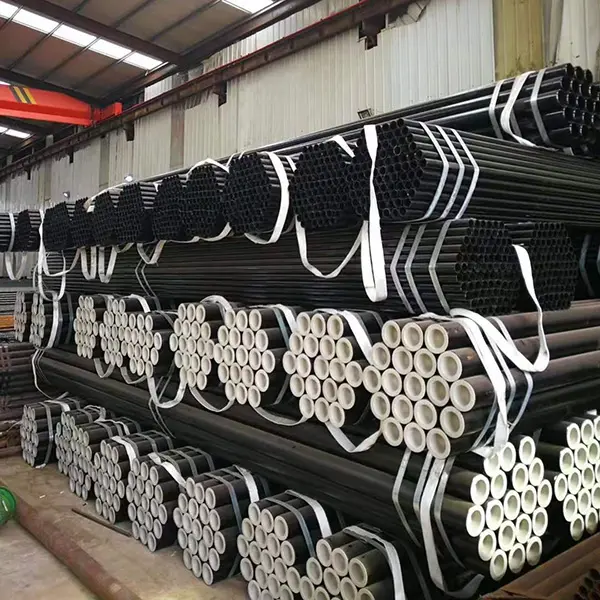
Galvanised mild steel tube is a ubiquitous structural component across numerous industries, including construction, infrastructure, automotive, and agricultural engineering. It comprises a low-carbon steel substrate, offering formability and weldability, protected by a zinc coating applied through hot-dip galvanisation. This coating provides robust corrosion resistance, significantly extending the service life of the steel in harsh environments. Technically positioned as a cost-effective alternative to stainless steel and other corrosion-resistant alloys, galvanised steel tubing balances strength, durability, and affordability. Core performance characteristics include tensile strength, yield strength, corrosion resistance (measured by salt spray testing duration), dimensional accuracy (wall thickness and diameter tolerances), and weldability. A primary industry pain point revolves around predicting long-term corrosion behaviour, particularly in environments with varying chloride concentrations and temperature gradients, and ensuring consistent zinc coating quality across large production runs.
Material Science & Manufacturing
The base material is typically mild steel, defined as steel with a carbon content of less than 0.25% by weight. Key alloying elements present in varying amounts include manganese (0.3-0.9%), silicon (0.05-0.3%), and phosphorus & sulfur (limited to <0.04% each). These elements influence weldability, strength, and ductility. The manufacturing process begins with steel billet production, typically via continuous casting. The billet is then subjected to hot rolling and subsequent cold drawing or welding processes to form seamless or welded tubes, respectively. Welding, often employing Electric Resistance Welding (ERW), introduces heat-affected zones (HAZ) requiring careful control of parameters like current density and welding speed to minimize grain growth and maintain mechanical integrity. The critical step is hot-dip galvanisation. This involves cleaning the steel tube surface (pickling with hydrochloric acid to remove mill scale, followed by fluxing) and immersing it in a molten zinc bath (typically 98% pure zinc at approximately 450°C). The zinc metallurgically bonds with the steel surface, forming a series of zinc-iron alloy layers (Gamma, Delta, Zeta, and Eta) overlaid by a pure zinc layer. Key parameters controlling coating quality include immersion time, zinc bath temperature, and the rate of withdrawal. Post-galvanisation, passivation treatments (chromate conversion coatings, although increasingly phased out due to environmental concerns, or phosphate coatings) can further enhance corrosion resistance.
Performance & Engineering
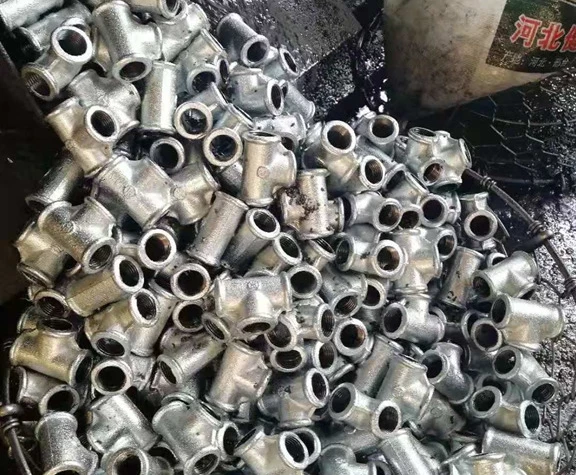
The structural performance of galvanised mild steel tube is governed by its mechanical properties and resistance to environmental factors. Force analysis typically focuses on calculating stresses under axial loading (tension, compression), bending moments, and torsional loads. Buckling stability is a critical consideration for long, slender tubes. Environmental resistance is primarily dictated by the zinc coating’s protective action. The zinc acts as a sacrificial anode, corroding preferentially to the steel substrate. However, this protection diminishes over time as the zinc is consumed. The rate of corrosion is influenced by factors such as humidity, temperature, salinity (chloride ion concentration), and the presence of atmospheric pollutants (sulfur dioxide, NOx). Compliance requirements depend on the application and geographic location. In construction, galvanised steel tubes must adhere to building codes specifying minimum wall thickness, yield strength, and coating thickness requirements. For potable water systems, compliance with NSF/ANSI 61 standards is essential to ensure the absence of lead and other harmful contaminants. Furthermore, designing for thermal expansion is crucial; temperature fluctuations can induce stresses within the tube and at welded connections. Proper support structures and expansion joints must be incorporated to accommodate these movements. The impact of forming processes (bending, flanging) on the zinc coating must be carefully considered to avoid cracking or damage that compromises corrosion protection.
Technical Specifications
| Parameter | ASTM A53 Grade B (Typical) | EN 10255:2007 (S235JR) | BS 1387 (HDG) | Units |
|---|---|---|---|---|
| Yield Strength | 250 | 235 | N/A (Steel Grade Dependent) | MPa |
| Tensile Strength | 370 | 360-530 | N/A (Steel Grade Dependent) | MPa |
| Zinc Coating Thickness (Minimum) | 55 | 45 | 45-85 | µm |
| Wall Thickness | 1.2 - 6.35 | 1.5 - 12.0 | 1.0 – 12.0 | mm |
| Outside Diameter | 1/2 – 6 | 10 – 660 | 1/2 – 8 | inches (mm) |
| Elongation (Minimum) | 20 | 16 | N/A (Steel Grade Dependent) | % |
Failure Mode & Maintenance
Common failure modes in galvanised mild steel tube include uniform corrosion (gradual consumption of the zinc coating), localised corrosion (pitting, crevice corrosion, galvanic corrosion – particularly at dissimilar metal connections), and mechanical damage (dents, scratches, cracking). Red rust formation signifies complete depletion of the zinc coating and subsequent corrosion of the steel substrate. Fatigue cracking can occur under cyclic loading, particularly at weld points or areas of stress concentration. Delamination of the zinc coating can result from poor surface preparation prior to galvanisation, leading to inadequate adhesion. Hydrogen embrittlement, induced during the pickling process, can reduce ductility and increase susceptibility to cracking. Maintenance strategies include regular visual inspection for signs of corrosion, cleaning to remove dirt and debris, and application of protective coatings (e.g., epoxy paints, zinc-rich primers) to areas where the galvanisation is damaged. For severely corroded tubes, localized repairs using zinc spray metallising or replacement of the affected section may be necessary. Proper drainage and ventilation are essential to minimise moisture accumulation and prevent corrosion. Periodic testing of coating thickness using non-destructive methods (e.g., magnetic induction) can provide early warning of coating degradation. Avoiding abrasion and mechanical stress during handling and installation will prevent damage to the zinc coating.
Industry FAQ
Q: What are the limitations of hot-dip galvanisation regarding tube diameter and complexity of shape?
A: Hot-dip galvanisation is generally suitable for a wide range of tube diameters, but very large diameters can present challenges in terms of ensuring uniform coating thickness. Complex shapes with enclosed sections or tight radii can also pose difficulties as complete zinc coverage may not be achieved. Pre-treatment processes such as venting and drilling may be necessary to facilitate zinc penetration into these areas. Alternatively, alternative coating methods like zinc electroplating or zinc spray metallising may be considered for highly complex geometries.
Q: How does the presence of chlorides affect the long-term corrosion resistance of galvanised steel tubes?
A: Chloride ions significantly accelerate the corrosion rate of galvanised steel. Chlorides penetrate the zinc coating, disrupting the passive protective layer and promoting pitting corrosion. The severity of the effect depends on the chloride concentration, temperature, and exposure duration. In marine environments or areas exposed to de-icing salts, supplemental corrosion protection measures, such as the application of epoxy coatings or cathodic protection systems, are often required.
Q: What is the impact of welding on the galvanisation coating, and how can it be mitigated?
A: Welding generates a heat-affected zone (HAZ) that can alter the metallurgical structure of both the steel and the zinc coating, potentially reducing its adhesion and corrosion resistance. The zinc coating is often partially or completely removed during welding. Mitigation strategies include using galvanised welding consumables, minimizing heat input during welding, and re-galvanising the weld area after welding using zinc spray metallising or a similar technique.
Q: What is the difference between ASTM A53 and EN 10255 standards for galvanised steel tubes?
A: ASTM A53 is a US standard focusing on seamless and welded steel pipe, while EN 10255 is a European standard for cold formed welded steel tubes. They differ in their mechanical property requirements, chemical composition limits, and dimensional tolerances. EN 10255 typically specifies tighter tolerances and offers a broader range of steel grades.
Q: What alternative corrosion protection methods can be used in conjunction with galvanisation to enhance long-term performance?
A: Several complementary methods can be employed. Epoxy coatings provide a barrier against moisture and corrosive agents. Zinc-rich primers offer sacrificial protection similar to galvanisation. Cathodic protection (using sacrificial anodes or impressed current systems) can prevent corrosion by suppressing the electrochemical corrosion process. Regular application of corrosion inhibitors can also help to mitigate corrosion rates, particularly in closed systems.
Conclusion
Galvanised mild steel tube remains a cornerstone material in numerous engineering applications due to its combination of strength, cost-effectiveness, and corrosion resistance. Understanding the interplay between material science, manufacturing processes, and environmental factors is crucial for ensuring long-term performance and mitigating potential failure modes. Proper selection of steel grade, adherence to relevant industry standards, and implementation of appropriate corrosion protection strategies are paramount.
Future developments in galvanisation technology are likely to focus on improving coating uniformity, reducing zinc consumption, and developing environmentally friendly passivation treatments. Advances in non-destructive testing methods will enable more accurate assessment of coating quality and prediction of remaining service life. Continued research into the corrosion behaviour of galvanised steel in various aggressive environments will further enhance its durability and expand its application range.
