
Introduction
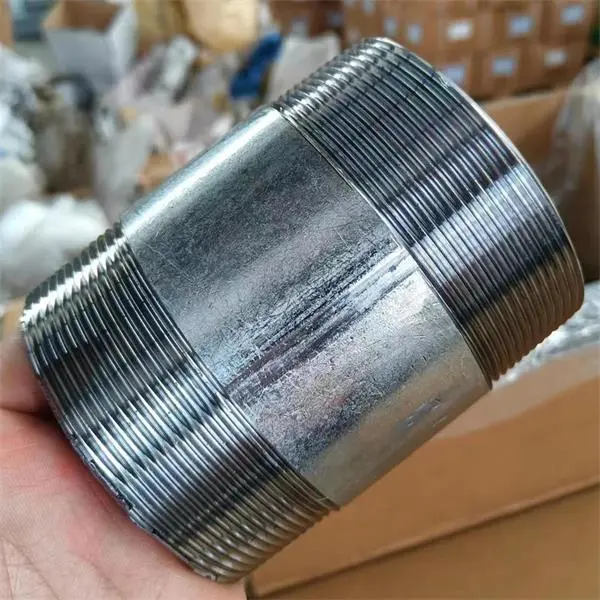
Galvanised pipe, specifically steel pipe coated with zinc, represents a crucial component in fluid and gas conveyance systems across numerous industries, including construction, plumbing, fire protection, and irrigation. Its primary function is to prevent corrosion of the underlying steel, extending service life and ensuring structural integrity. The ‘price’ of galvanised pipe is a complex metric, impacted not merely by the raw material cost of steel and zinc, but also by manufacturing processes (hot-dip galvanising versus electrogalvanising), pipe dimensions (diameter, wall thickness, and length), grade of steel used, and regional supply and demand dynamics. This guide provides an in-depth technical overview of galvanised pipe, focusing on the factors that influence its price, performance characteristics, potential failure modes, and relevant industry standards. Understanding these aspects is critical for procurement managers, engineers, and maintenance personnel seeking to optimize system longevity and lifecycle cost. The market for galvanised pipe is heavily segmented by schedule (e.g., Schedule 40, Schedule 80) which dictates pressure-bearing capacity and, consequently, price.
Material Science & Manufacturing
The core material for galvanised pipe is typically carbon steel, often conforming to ASTM A53 Grade B or API 5L specifications. The steel's composition dictates its inherent strength, ductility, and weldability. Crucially, the presence of impurities like sulfur and phosphorus can negatively impact galvanising adhesion and corrosion resistance. The zinc coating, the defining characteristic of galvanised pipe, is applied through two primary methods: hot-dip galvanising and electrogalvanising. Hot-dip galvanising involves immersing the steel pipe in a molten zinc bath, creating a metallurgical bond and a relatively thick coating (typically 50-150 μm). This process results in a robust, durable coating with excellent corrosion protection. Electrogalvanising, conversely, uses an electrolytic process to deposit a thinner zinc layer (typically 5-25 μm). While offering a smoother finish, electrogalvanised coatings generally provide less corrosion resistance. Manufacturing involves steel pipe production via seam welding (ERW – Electric Resistance Welding) or seamless extrusion. Critical parameters during manufacturing include welding current, cooling rate, and zinc bath temperature (for hot-dip galvanising). Post-galvanising processes may include passivation treatments to enhance corrosion resistance further. The zinc used needs to be of high purity (99.99% Zn) to prevent inclusions that could cause coating defects. The quality of the steel substrate’s surface preparation – pickling and cleaning – is paramount for optimal adhesion of the zinc layer.
Performance & Engineering
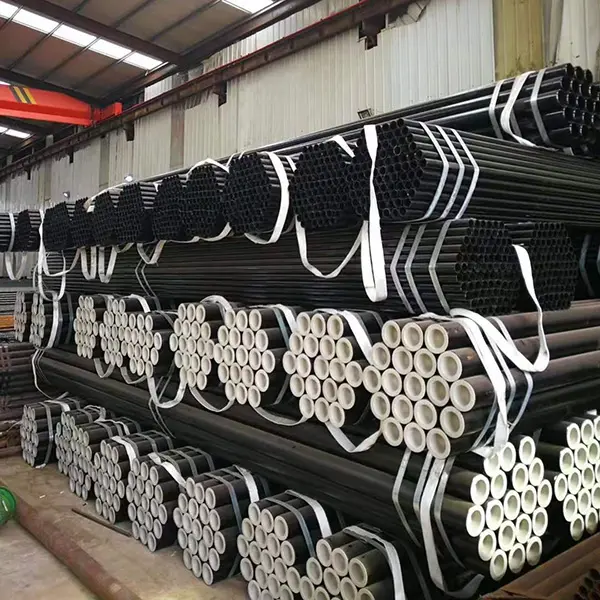
The performance of galvanised pipe is primarily evaluated based on its ability to withstand internal pressure, external loads, and corrosive environments. The yield strength and tensile strength of the underlying steel, combined with the pipe wall thickness, determine its pressure-bearing capacity, governed by standards like ASME B31.1 for power piping and ASME B31.3 for process piping. Corrosion resistance is directly related to the zinc coating’s thickness and uniformity, as well as the surrounding environment's electrochemical potential. Galvanic corrosion can occur if galvanised pipe is directly connected to a more noble metal (e.g., copper) in the presence of an electrolyte. Engineers must consider this potential and utilize dielectric unions or other isolation methods. Environmental resistance includes assessing performance in conditions involving chlorides (e.g., marine environments), sulfides, and acidic or alkaline soils. The long-term performance is influenced by zinc erosion rate, which varies with atmospheric pollutants and temperature. Finite Element Analysis (FEA) is often employed to model stress distribution under various loading scenarios, ensuring structural integrity and preventing catastrophic failure. Threaded connections require careful torque control during installation to prevent over-tightening, which can damage the threads and compromise the seal.
Technical Specifications
| Parameter | Units | ASTM A53 Grade B (Typical) | API 5L X42 (Typical) |
|---|---|---|---|
| Yield Strength | MPa | 250 | 345 |
| Tensile Strength | MPa | 450 | 485 |
| Zinc Coating Thickness (Hot-Dip) | μm | 50-150 | 50-150 |
| Outside Diameter | mm | 1/2" - 6" (and larger) | 1/2" - 48" (and larger) |
| Wall Thickness | mm | Schedule 40, 80, 160 | Varies based on pressure class |
| Corrosion Rate (Zinc) | mm/year | 0.003 - 0.03 (depending on environment) | 0.003 - 0.03 (depending on environment) |
Failure Mode & Maintenance
Galvanised pipe can experience several failure modes. Uniform corrosion, although slowed by the zinc coating, eventually occurs as the zinc is consumed, exposing the underlying steel to the environment. Pitting corrosion, a localized form of corrosion, can initiate at imperfections in the zinc coating or due to chloride attack. Crevice corrosion occurs in shielded areas, such as under gaskets or where dissimilar metals are in contact. Hydrogen embrittlement can occur in high-strength steels exposed to hydrogen sulfide, leading to cracking. Mechanical damage, such as dents or scratches, can compromise the zinc coating and accelerate corrosion. Fatigue cracking can occur under cyclic loading, particularly at weld joints. Maintenance practices include regular visual inspections for signs of corrosion, particularly at joints and connections. Protective coatings, such as epoxy or polyurethane, can be applied to extend the service life. Damaged coatings should be repaired promptly. For systems conveying corrosive fluids, cathodic protection may be considered. Periodic hydrostatic testing can verify the integrity of the pipe and identify potential leaks. Properly torquing connections is crucial to prevent leaks and stress corrosion cracking. Consideration should be given to implementing a corrosion monitoring program in harsh environments.
Industry FAQ
Q: What is the primary cost driver for galvanised pipe pricing – steel or zinc?
A: Historically, steel cost has been the dominant factor (approximately 60-70% of the price). However, significant fluctuations in zinc prices can have a substantial impact, particularly for thinner-walled pipes with a higher zinc-to-steel ratio. Supply chain disruptions impacting either material will also influence price.
Q: How does the galvanising process impact the mechanical properties of the steel pipe?
A: Hot-dip galvanising can slightly reduce the ductility of the steel, particularly in higher-strength alloys, due to the formation of brittle intermetallic layers at the steel-zinc interface. This effect is generally minimal and within acceptable limits for most applications, but should be considered for critical structural components.
Q: What is the difference between Schedule 40 and Schedule 80 galvanised pipe, and how does it affect the price?
A: Schedule 40 and 80 refer to the nominal pipe wall thickness. Schedule 80 has a thicker wall than Schedule 40, providing higher pressure-bearing capacity. Consequently, Schedule 80 pipe requires more material and is therefore significantly more expensive per unit length.
Q: Can galvanised pipe be used in potable water systems, and are there any health concerns related to zinc leaching?
A: Yes, galvanised pipe is generally acceptable for potable water systems, however, leaching of zinc can occur, particularly in acidic water. While zinc is an essential nutrient, excessive levels can cause a metallic taste and gastrointestinal upset. A lead-free formulation should be used, and water should be tested periodically to ensure zinc levels remain within acceptable limits.
Q: What are the alternatives to galvanised pipe for corrosion resistance, and what are their respective price points?
A: Alternatives include stainless steel, ductile iron (with coatings), plastic pipes (PVC, CPVC, PEX), and epoxy-coated steel. Stainless steel offers superior corrosion resistance but is significantly more expensive. Ductile iron provides good strength and corrosion resistance, but can be prone to graphitic corrosion. Plastic pipes are cost-effective but have lower temperature and pressure ratings. Epoxy-coated steel offers a balance of cost and performance but requires careful handling to avoid coating damage.
Conclusion
The price of galvanised pipe is a multifaceted consideration stemming from raw material costs, manufacturing complexities, and performance requirements. Understanding the interplay of steel grade, zinc coating method, pipe dimensions, and environmental factors is critical for informed procurement decisions. A robust corrosion protection strategy, encompassing appropriate material selection, installation practices, and ongoing maintenance, is essential for maximizing service life and minimizing lifecycle costs.
Future trends in galvanised pipe technology will likely focus on developing more durable zinc coatings with improved corrosion resistance, incorporating nanotechnology for enhanced barrier properties, and adopting sustainable manufacturing processes to reduce environmental impact. Furthermore, advancements in non-destructive testing (NDT) methods will enable more accurate assessment of pipe integrity and predictive maintenance planning.
