
Introduction
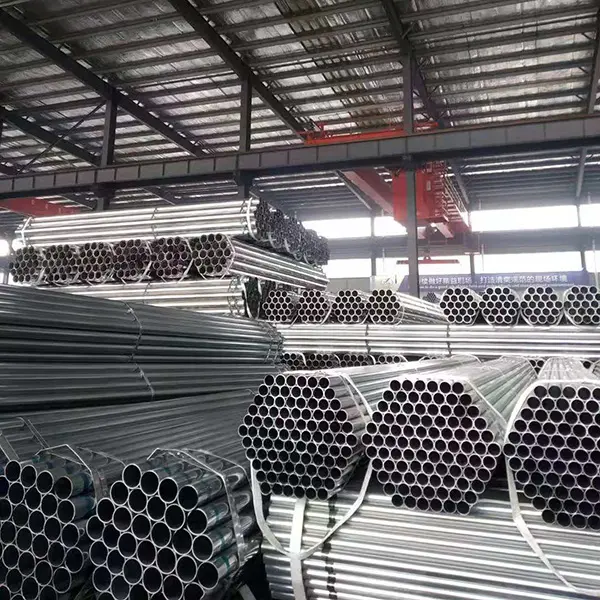
Galvanised steel square tube is a hollow structural section (HSS) manufactured from carbon steel and coated with a layer of zinc. This zinc coating provides corrosion resistance, making it a widely utilized material in construction, infrastructure, manufacturing, and a variety of industrial applications. Within the steel industry chain, galvanised square tube represents a value-added product derived from hot-rolled or cold-formed steel profiles. Its primary performance characteristics center around its strength-to-weight ratio, weldability, corrosion protection, and dimensional accuracy. A significant pain point within the industry is maintaining consistent zinc coating thickness and adhesion, impacting long-term corrosion resistance and service life. Another concern involves ensuring dimensional tolerances are consistently met to facilitate seamless integration into complex structural designs. This guide provides an in-depth technical overview of galvanised steel square tube, covering material science, manufacturing processes, performance engineering, failure modes, and relevant industry standards.
Material Science & Manufacturing
The base material for galvanised steel square tube is typically carbon steel, commonly grades such as Q235, Q345 (Chinese standards), or equivalent ASTM A500 grades. These steels are characterized by varying levels of carbon content, manganese, silicon, and trace elements influencing weldability and mechanical properties. The physical properties of the steel itself - yield strength, tensile strength, elongation - are crucial for determining load-bearing capacity. The manufacturing process begins with the forming of the square tube shape, typically through cold-forming or hot-rolling. Cold-forming utilizes rollers to shape the steel sheet, resulting in tighter dimensional tolerances and improved surface finish, but may require higher force. Hot-rolling involves heating the steel to a high temperature and then passing it through rollers, allowing for the production of larger tubes and thicker walls. Following forming, the tubes undergo welding – typically using Electric Resistance Welding (ERW) or Submerged Arc Welding (SAW) – to create a seamless or longitudinally welded structure. Critical parameters during welding include current, voltage, welding speed, and shielding gas composition to prevent porosity and ensure weld integrity. Finally, the galvanisation process is applied. This most commonly utilizes hot-dip galvanisation, where the steel tube is immersed in a bath of molten zinc. The zinc reacts metallurgically with the steel, forming a series of zinc-iron alloy layers, culminating in an outer layer of pure zinc. Parameters such as zinc bath temperature (typically around 450°C), immersion time, and steel surface preparation (cleaning, pickling) are critical for achieving uniform coating thickness and proper adhesion. Surface preparation is paramount; residual mill scale or contaminants will inhibit the zinc-steel bond.
Performance & Engineering
The performance of galvanised steel square tube is governed by its structural integrity and corrosion resistance. Force analysis, particularly concerning bending moments, shear forces, and axial loads, is critical in structural applications. Section modulus (S) and moment of inertia (I) are key parameters calculated to determine the tube's resistance to bending. Wall thickness significantly impacts both S and I, and therefore the load-bearing capacity. Environmental resistance is dictated by the zinc coating. The rate of corrosion is dependent on factors such as humidity, salinity, atmospheric pollutants (sulfur dioxide, chlorides), and temperature. The zinc coating acts as a sacrificial anode, corroding preferentially to the steel, providing cathodic protection. However, the protection is not absolute; scratches or damage to the zinc coating can expose the underlying steel to corrosion. Compliance requirements vary by region and application. For construction, codes such as Eurocode 3 (EN 1993) or AISC 360 (American Institute of Steel Construction) specify design rules and material requirements. Galvanised steel square tube intended for pressure applications (e.g., fluid transport) must meet relevant pressure vessel standards (e.g., ASME Boiler and Pressure Vessel Code). Functional implementation often involves welding or bolting the tubes together to form larger structures. Weldability is generally good, but proper welding procedures are essential to avoid damaging the zinc coating and creating localised corrosion cells. Post-weld galvanisation or zinc-rich paint application may be necessary to restore corrosion protection in welded areas.
Technical Specifications
| Parameter | Units | Typical Value (Q235 Steel) | Testing Standard |
|---|---|---|---|
| Yield Strength | MPa | 235 | ASTM A500 |
| Tensile Strength | MPa | 375 - 530 | ASTM A500 |
| Elongation | % | 21 | ASTM A500 |
| Zinc Coating Thickness | µm | 50 - 150 | ASTM A123 |
| Wall Thickness | mm | 1.0 – 6.0 | ASTM E29 |
| Square Tube Size (Side Length) | mm | 20 – 300 | Dimensional Tolerances per EN 10210 |
Failure Mode & Maintenance
Galvanised steel square tube can fail through several mechanisms. Uniform corrosion, while slowed by the zinc coating, will eventually occur, particularly in harsh environments. Pitting corrosion, initiated by chloride ions or other aggressive species, can penetrate the zinc coating and attack the underlying steel. Crevice corrosion can develop in confined spaces where oxygen access is limited. Galvanic corrosion can occur when the galvanised steel is in contact with dissimilar metals in the presence of an electrolyte. Hydrogen embrittlement, induced by the acidic conditions during corrosion, can reduce ductility and promote cracking. Fatigue cracking can occur under cyclic loading, particularly at weld points or stress concentrations. Delamination of the zinc coating, often due to inadequate surface preparation or poor coating adhesion, accelerates corrosion. Maintenance strategies include regular inspection for corrosion, particularly in critical areas. Damaged zinc coatings should be repaired using zinc-rich paint or re-galvanisation. Preventative maintenance, such as cleaning to remove corrosive contaminants, can extend service life. Periodic application of a corrosion inhibitor may be beneficial in aggressive environments. For structural applications, regular non-destructive testing (NDT) – such as ultrasonic testing or magnetic particle inspection – can detect cracks or other defects before they lead to catastrophic failure.
Industry FAQ
Q: What is the primary difference between hot-dip galvanisation and electrogalvanisation in terms of corrosion protection?
A: Hot-dip galvanisation provides a thicker, more robust zinc coating with superior corrosion resistance due to the metallurgical bond formed between the zinc and steel. Electrogalvanisation, while providing a smoother finish, typically results in a thinner coating that is more susceptible to corrosion, particularly in harsh environments. The diffusion layer characteristic of hot-dip galvanisation is absent in electrogalvanisation, compromising long-term performance.
Q: How does the carbon content in the steel base material affect the galvanisation process?
A: Higher carbon content in the steel can lead to increased iron-zinc alloy layer formation during hot-dip galvanisation. While this enhances adhesion, excessive alloy layer thickness can reduce the ductility of the coating and make it more brittle. Careful control of steel composition and galvanisation parameters is essential.
Q: What are the key considerations when welding galvanised steel square tube?
A: Welding galvanised steel requires using appropriate welding processes (e.g., GMAW, FCAW) and shielding gases to minimise zinc evaporation and prevent porosity. Post-weld cleaning to remove flux residue is crucial to prevent corrosion. Re-galvanisation of the weld area or application of a zinc-rich paint is recommended to restore corrosion protection.
Q: What dimensional tolerances should be expected for precision applications requiring accurate fit-up?
A: For precision applications, cold-formed galvanised square tube generally offers tighter dimensional tolerances than hot-rolled material. Tolerances for length, squareness, and wall thickness should be specified in the purchase order and verified through inspection. EN 10210 provides guidance on achievable tolerances.
Q: What is the impact of chloride exposure on the longevity of a galvanised steel structure?
A: Chloride ions significantly accelerate the corrosion of galvanised steel by disrupting the protective zinc coating and promoting pitting corrosion. In marine environments or areas exposed to de-icing salts, thicker zinc coatings, supplemental corrosion protection (e.g., paint systems), and regular inspection are essential to mitigate chloride-induced corrosion.
Conclusion
Galvanised steel square tube represents a cost-effective and versatile structural material offering a robust combination of strength, weldability, and corrosion resistance. Understanding the intricacies of its material science – from steel composition to zinc coating metallurgy – is crucial for ensuring optimal performance and longevity. Careful consideration of manufacturing processes, particularly surface preparation and galvanisation parameters, directly impacts coating quality and adhesion.
Ultimately, the successful application of galvanised steel square tube hinges on a thorough understanding of its performance characteristics, potential failure modes, and relevant industry standards. Proactive maintenance, including regular inspection and repair of damaged coatings, will significantly extend service life and minimize life-cycle costs. Continued research and development efforts focused on enhancing zinc coating technology and corrosion-resistant alloys will further solidify the position of galvanised steel square tube as a cornerstone material in diverse engineering applications.
