
Introduction
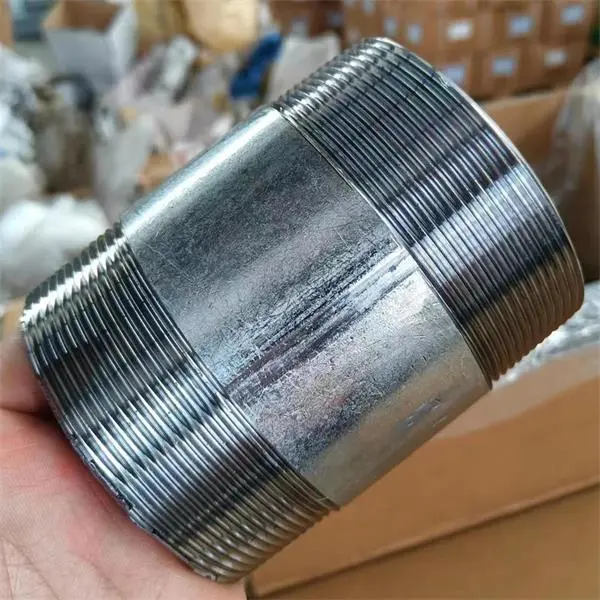
Galvanised steel tube is a ubiquitous construction and industrial material, consisting of a carbon steel core coated with a layer of zinc. This coating provides corrosion resistance, significantly extending the service life of the steel. Its technical position within the industry chain lies between raw material steel production and downstream applications in construction, plumbing, automotive, scaffolding, and various manufacturing processes. Galvanised steel tubes are manufactured in a range of sizes, wall thicknesses, and grades, offering diverse mechanical properties and corrosion protection levels. Core performance characteristics include tensile strength, yield strength, corrosion resistance (measured by zinc coating thickness and uniformity), formability, and weldability. The primary industry pain point revolves around achieving consistent zinc coating quality, managing hydrogen embrittlement during the galvanisation process, and ensuring long-term corrosion protection in aggressive environments. Selection criteria often hinge on balancing initial cost with projected lifespan and maintenance requirements.
Material Science & Manufacturing
The base material for galvanised steel tube is typically carbon steel, conforming to standards like ASTM A53, A500, or EN 10210, depending on the intended application. The steel’s composition dictates its mechanical properties. Lower carbon content provides greater weldability, while higher carbon content increases strength but reduces ductility. Manufacturing begins with steel strip or coil, which undergoes forming processes such as Electric Resistance Welding (ERW), seam welding, or seamless extrusion. ERW is prevalent due to its cost-effectiveness, involving the welding of longitudinal seams using high-frequency electric current. Seamless tubes, though more expensive, offer superior strength and are often preferred for high-pressure applications. The galvanisation process is critical. Hot-dip galvanising, the most common method, involves immersing the steel tube in a molten zinc bath (typically 98% pure zinc) after a thorough cleaning and fluxing process. Cleaning removes mill scale, rust, and other contaminants. Fluxing, often using zinc ammonium chloride, prevents oxidation and promotes zinc adhesion. Critical parameters include bath temperature (around 450°C), immersion time (determined by tube thickness), and cooling rate. Electrogalvanising, employing an electrolytic process, provides a thinner, more uniform coating but generally offers less corrosion protection than hot-dip galvanising. Zinc-iron alloy layers form during hot-dip galvanisation, contributing to the coating's protective characteristics. Microstructural analysis reveals phases like Zeta (Zn7Fe5), Delta (Zn10Fe3), and Gamma (Zn5Fe2). The ratio of these phases influences the coating’s hardness and corrosion resistance. Chemical compatibility is paramount, particularly when the tube is used to convey specific fluids; the zinc coating must be inert to the conveyed substance.
Performance & Engineering
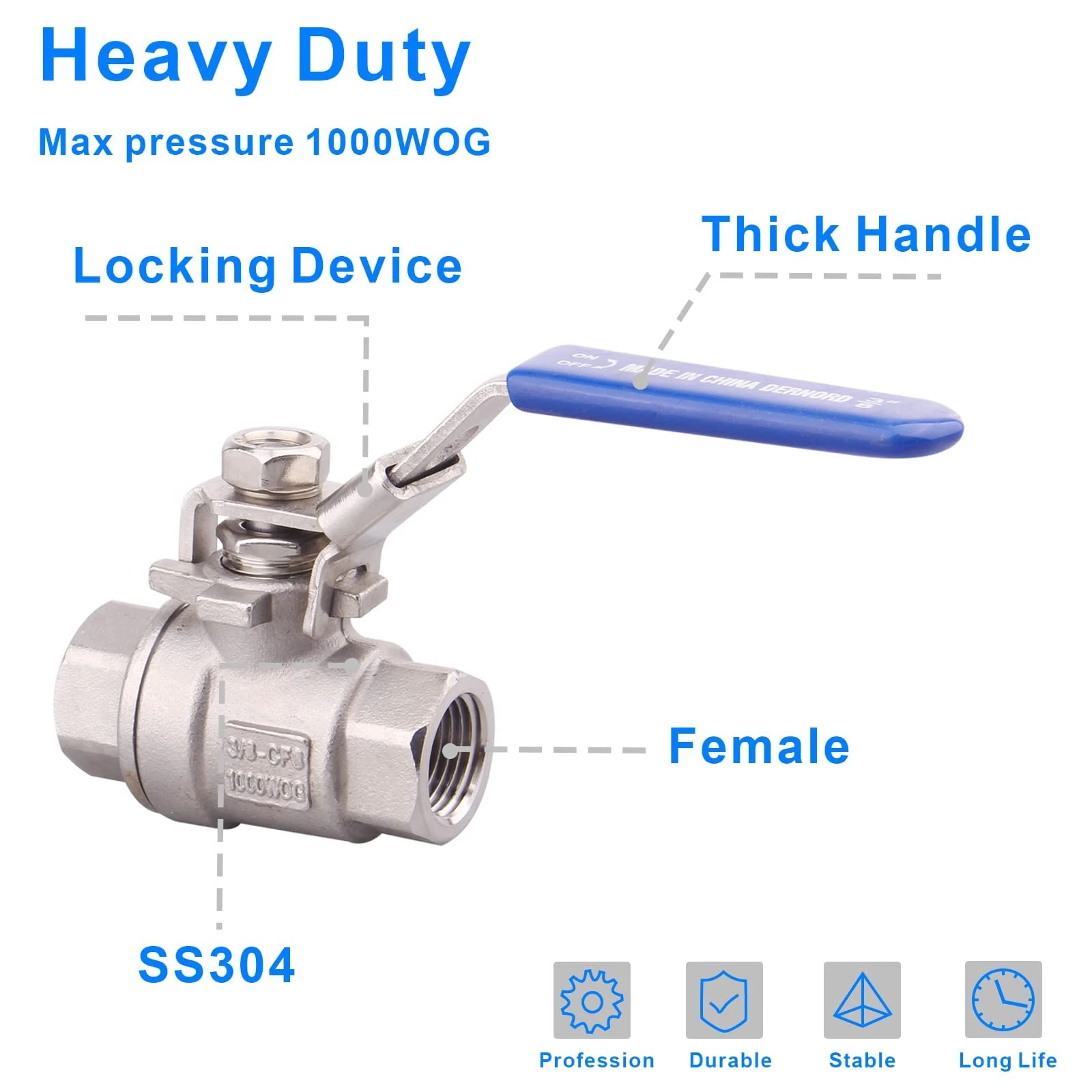
The performance of galvanised steel tube is heavily influenced by its mechanical properties and the integrity of the zinc coating. Force analysis, particularly in structural applications, necessitates calculating load-bearing capacity, considering factors like tube diameter, wall thickness, and material yield strength. Buckling resistance is a crucial design consideration for long, slender tubes. Environmental resistance is primarily conferred by the zinc coating, which acts as a barrier against corrosive elements and provides cathodic protection – the zinc corrodes preferentially, protecting the underlying steel. The rate of zinc corrosion depends on environmental factors such as humidity, salinity, and the presence of pollutants (e.g., sulfur dioxide). Compliance requirements are dictated by industry-specific standards and regulations. For example, plumbing applications necessitate compliance with NSF/ANSI 61 for potable water systems, ensuring that the tube does not leach harmful substances into the water. Scaffolding tubes must meet OSHA standards for load capacity and structural integrity. Functional implementation details include considerations for joining methods (welding, threading, flanging) and the impact of these methods on the zinc coating. Welding, for instance, can burn off the zinc in the heat-affected zone, requiring post-weld zinc repair or supplementary corrosion protection. Electrochemical studies demonstrate the effectiveness of the zinc coating in preventing corrosion through galvanic protection. Finite element analysis (FEA) is used to model stress distribution in tubes under various loading conditions, optimising designs for specific applications.
Technical Specifications
| Parameter | ASTM A53 Grade B (Typical) | EN 10210 S235JR | BS 1387 HDG (Hot Dip Galvanised) | Zinc Coating Thickness (μm) |
|---|---|---|---|---|
| Yield Strength (MPa) | 250 | 235 | N/A | 50-80 |
| Tensile Strength (MPa) | 370 | 360 | N/A | 80-120 |
| Wall Thickness (mm) | 1.2 – 12.7 | 1.0 – 12.0 | 1.0 – 6.35 | N/A |
| Outer Diameter (mm) | 1/2” – 6” | 15 – 660 | 1/2" – 8" | N/A |
| Elongation (%) | 20 | 16 | N/A | N/A |
| Zinc Coating Weight (g/m2) | N/A | N/A | 450-600 | N/A |
Failure Mode & Maintenance
Galvanised steel tube is susceptible to several failure modes. Uniform corrosion, the gradual degradation of the zinc coating, is the most common. However, localised corrosion, such as pitting corrosion (caused by chloride ions) and crevice corrosion (occurring in shielded areas), can accelerate failure. Hydrogen embrittlement, a critical concern during hot-dip galvanising, arises from the absorption of hydrogen into the steel, potentially leading to brittle fracture. White rust (zinc oxide corrosion) can form if the galvanised surface is exposed to moisture without adequate ventilation. Fatigue cracking can occur under cyclic loading conditions, particularly at weld points or areas of stress concentration. Delamination of the zinc coating can result from poor surface preparation or inadequate cleaning prior to galvanisation. Oxidation of the zinc coating over extended periods reduces its protective efficacy. Maintenance strategies include regular inspection for signs of corrosion, cleaning to remove contaminants, and applying supplementary protective coatings (e.g., epoxy paints) in aggressive environments. For damaged coatings, zinc-rich paints or thermal spray zinc can be used for localised repair. Periodic testing of coating thickness and adhesion is recommended to assess the remaining protective life. In situations prone to hydrogen embrittlement, a baking process after galvanisation can help to diffuse hydrogen from the steel.
Industry FAQ
Q: What is the primary difference between hot-dip galvanising and electrogalvanising in terms of corrosion protection?
A: Hot-dip galvanising provides significantly superior corrosion protection due to the thicker zinc coating and the formation of zinc-iron alloy layers. Electrogalvanising produces a thinner, more uniform coating but lacks the metallurgical bond and thickness necessary for long-term protection in harsh environments. Hot-dip galvanising is generally preferred for outdoor applications and critical structural components.
Q: How does the carbon content of the steel substrate affect the galvanising process and the final product quality?
A: Higher carbon content in the steel can lead to increased reactivity with the molten zinc, potentially resulting in thicker, less uniform coatings and a higher risk of hydrogen embrittlement. Lower carbon steels generally provide better adhesion and reduced reactivity during galvanisation.
Q: What are the common causes of white rust formation on galvanised steel, and how can it be prevented?
A: White rust forms when the galvanised surface is exposed to moisture and limited airflow, leading to the oxidation of zinc. Prevention involves ensuring adequate ventilation, providing a dry storage environment, and potentially applying a chromate conversion coating (though this is increasingly restricted due to environmental concerns).
Q: What is the role of flux in the hot-dip galvanising process, and what types of flux are commonly used?
A: Flux removes oxides and other impurities from the steel surface, preventing them from hindering zinc adhesion. It also protects the steel from oxidation during heating and immersion. Common fluxes include zinc ammonium chloride, which is widely used due to its effectiveness and relatively low cost.
Q: How can the susceptibility of galvanised steel to hydrogen embrittlement be mitigated?
A: Mitigation strategies include careful control of the galvanising process (bath composition, temperature, immersion time), using steel with low sulfur content, and employing a post-galvanisation baking process to diffuse hydrogen from the steel matrix. Additionally, proper cleaning and surface preparation are crucial.
Conclusion
Galvanised steel tube remains a cornerstone material across numerous industries, primarily due to its cost-effective corrosion resistance. The hot-dip galvanising process, while well-established, demands meticulous control of parameters like bath temperature, cleaning procedures, and flux application to ensure optimal coating quality and prevent issues like hydrogen embrittlement. Understanding the metallurgical interactions between the zinc coating and the steel substrate is crucial for predicting long-term performance.
Future trends point towards advancements in coating technologies, including zinc-nickel alloy coatings offering enhanced corrosion protection and reduced environmental impact. Further research into hydrogen embrittlement mitigation techniques and the development of more sustainable flux formulations are also anticipated. Selecting the appropriate grade of steel and galvanising method, coupled with robust quality control measures, will remain paramount to maximising the service life and reliability of galvanised steel tube applications.
